Los Angeles, CA Heat Pump Leasing & Installation
In this guide

01
Benefits of Palmetto Heat Pumps
Say goodbye to clunky old systems and surprise repairs. Palmetto Comfort Plan gives you a brand-new heat pump, installation, and full support, all wrapped into one subscription.

Year Round Comfort
A high-efficiency heat pump keeps your home cool in summer, warm in winter, and your energy use in check all year long.

Forget the maintenance
With a Comfort Plan subscription, installation and maintenance are fully covered, no surprise bills, no weekend DIY.

Rewards for renewing
Stick with us and earn credits toward your next system upgrade. It’s our way of saying thanks for building a cleaner, comfier future with us.
02
Los Angeles, CA Heat Pump Load Calculator
Use this calculator to estimate your home’s heating and cooling needs based on square footage. It uses ACCA-standard design conditions for Los Angeles: 72°F indoor, 95°F outdoor cooling, and 33°F heating temperatures. For a precise Manual J load calculation and personalized quote, connect with Palmetto’s team. Get in touch with our team for an official quote.
Step 1 of 3
Home location & size
Your home’s location and size directly impact heating needs.
Step 2 of 3
Home attributes
Step 3 of 3
Additional details
Description of what this means for context.
Estimated Heating Needs
Your home’s location falls within the a climate zone with the average extreme winter falling between 10° – 15° F.
Home Details
Recommended equipment capacity
60,000 BTU
5 Tons
Calculated Cooling Mode
102,000 BTU
8.5 Tons
03
Buy it or finance it. Your comfort, your call
There's no wrong way to get cozy. Here's how the options stack up, so you can choose what works best for you.
|
|
Cash |
Loan |
|
|---|---|---|---|
| Payment schedule | $0 upfront, then monthly subscription | Full price upfront | $0 upfront, then monthly payment |
| Term length | 10 or 12 years | None | Variable |
| End of term options | Flexible with 25% renewal term credits to new system | No credits to new system | No credits to new system |
| Maintenance included | |||
| Eligible for incentives |
Cash
Loan
Local Incentives
Los Angeles, CA Heat Pump Rebates & Incentives
Local and federal incentive programs can significantly reduce the cost of a new heat pump system. Here are the programs available to Los Angeles homeowners.
Federal IRA Tax Credit
Up to $2,000The Inflation Reduction Act provides a federal tax credit of up to $2,000 for qualifying heat pump installations through 2032.
LADWP Heat Pump Rebate
Up to $2,500 per tonLos Angeles Department of Water and Power offers rebates for heat pump HVAC system installations for eligible customers in their service area.
California Energy Smart Homes
Up to $15,000+Provides rebates for homes that fully electrify and discontinue gas service, including heat pump installations as part of whole-home electrification.
Los Angeles homeowners have access to the federal IRA tax credit (up to $2,000) and the LADWP utility rebate (up to $2,500 per ton) for heat pump installations. The state-level HEEHRA program is currently fully reserved in Southern California as of January 2026. For homeowners pursuing full electrification, the California Energy Smart Homes program offers substantial rebates up to $15,000 and continues through 2027. Palmetto can help homeowners explore these available incentives and provide alternative financing solutions like our Comfort Plan lease, which offers $0 upfront cost for heat pump installation.
Incentive information is based on publicly available data as of 2026 and may change. Contact program administrators to verify current availability and eligibility requirements. Note: HEEHRA Phase I rebates for single-family homes in Southern California are fully reserved as of January 7, 2026.
04
Climate Zones
Los Angeles sits in IECC Climate Zone 10, characterized by mild winters (design temp: 33°F) and warm summers (design temp: 95°F). This balanced climate means your heat pump needs efficient cooling capacity without the extreme cold-weather demands of northern regions. At Palmetto, we understand LA's unique conditions and help homeowners select properly sized systems that perform year-round. Explore other zones below or enter your ZIP code to confirm yours.
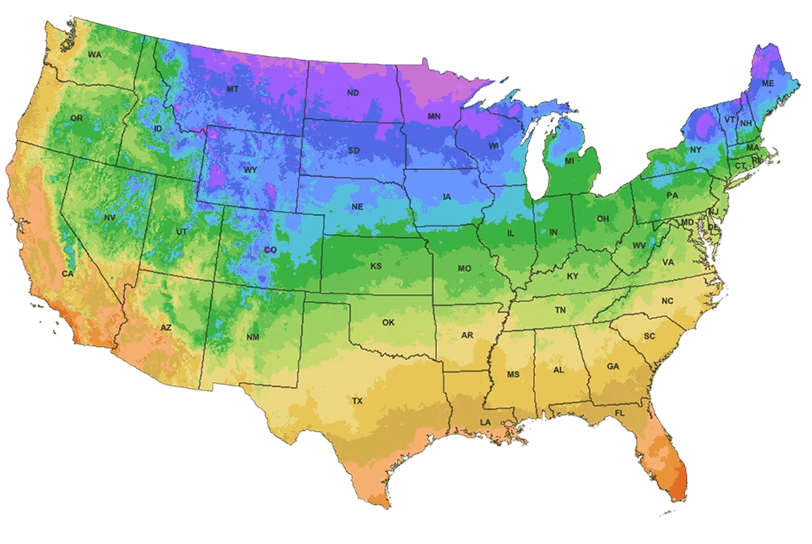
Climate Zone 1
Climate zone 1 is not typically seen within the United States outside of Alaska. It represents the coldest climates on the planet.
Climate Zone 1A
Avg. extreme winters: -60° to -55° F
Climate Zone 1B
Avg. extreme winters: -55° to -50° F
Los Angeles Electricity Prices
Los Angeles residents face some of the steepest electricity costs in the nation—and they're climbing faster than almost anywhere else.
California's electricity rates have jumped 40% since 2021, reaching 31.9 cents per kWh in 2024—nearly double the national average of 16.5 cents. For LA homeowners, that means significantly higher bills year after year.
Heat pumps offer a practical response to rising rates. Because they're 2-3x more efficient than traditional HVAC systems, they use less electricity to deliver the same heating and cooling—reducing your energy consumption even as prices climb.
As electricity costs continue their upward trend, efficiency becomes increasingly valuable. A heat pump's lower energy usage means your monthly savings grow over time, helping insulate your household budget from future rate increases.
Price of Energy: California vs National Average
Los Angeles Area Utility Providers
Los Angeles residents are served by four main utility providers with varying electricity rates. Based on 2023 data, costs ranged from 17.5¢ to 32.3¢ per kWh—spanning below to well above the national average of 16.0¢.
Southern California Edison (SCE) charges the highest rates at 32.3¢ per kWh, exceeding both the state average of 29.5¢ and national average. Meanwhile, municipal utilities like Anaheim and Riverside offer lower rates due to their public ownership structure and local infrastructure control.
Higher electricity costs make efficiency crucial. Heat pumps use significantly less energy than traditional HVAC systems—often reducing total energy spending even in high-rate areas. Their efficiency means you're paying for less electricity overall, which matters more than the per-kWh price alone.
Los Angeles Utilities Electricity Rates
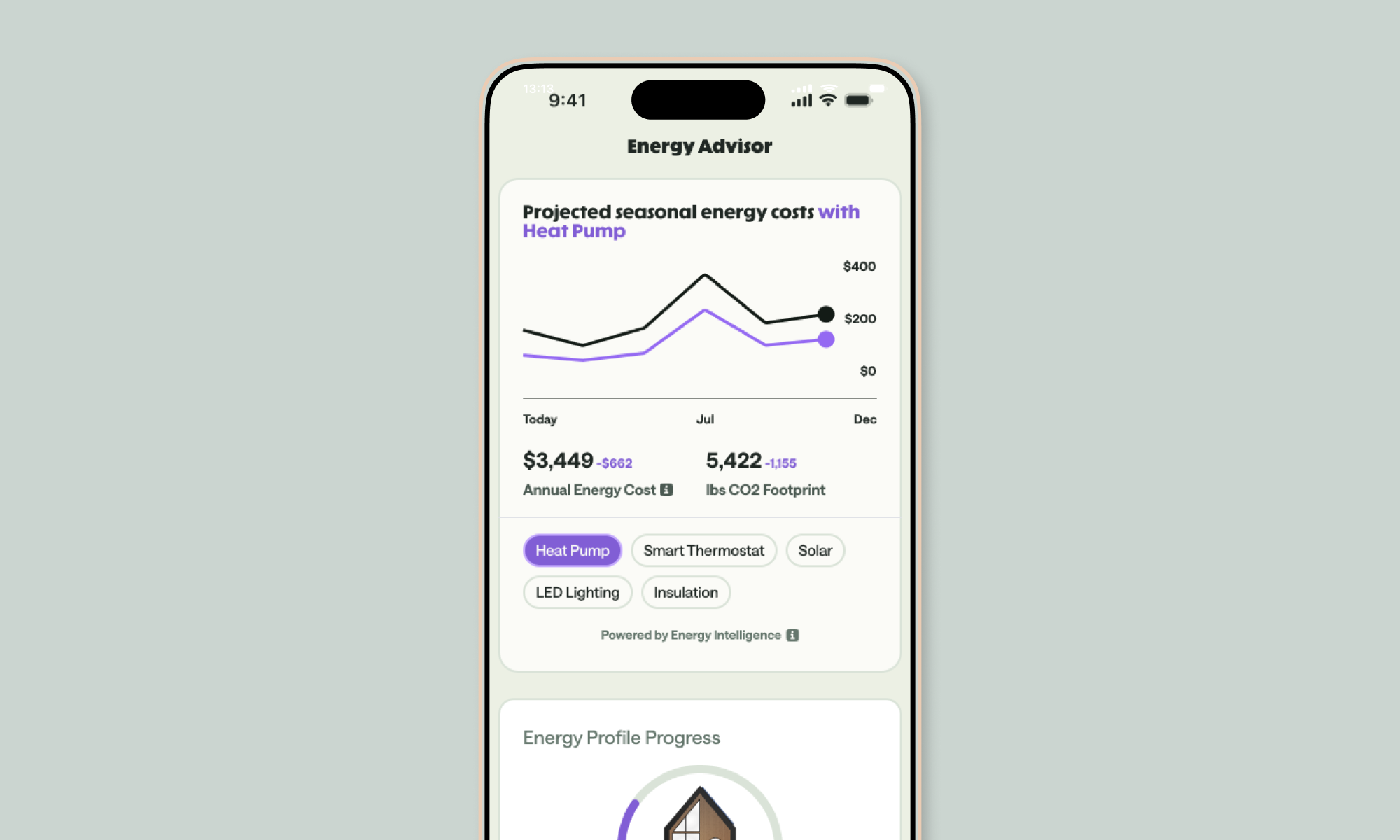
Let our smart tools do the heavy lifting.
Get personalized tips, usage insights, project tracking, and that daily satisfaction of making your energy work smarter with the Palmetto mobile app.
- Rewards for smarter energy usage
- Energy insights & Dashboard
- Personalized Savings Tools
- Whole Home Energy Management
- Support Whenever You Need It
Repair versus replace
When a heat pump is in need of repair it is worth considering whether a replacement would be a better investment. While each case is unique, we generally recommend investing in a new unit when repairs exceed $5,000.
A heat pump's lifetime is impacted by a number of factors including environment, use and the quality of the unit. It's important to choose the right unit for your climate zone and home's unique attributes.
When you are in need of repair, we recommend choosing a service provider that is an expert in the heat pump brand you have installed, and checking online reviews to ensure you are investing in the right level of service.
| Potential repair | Cost range | Description |
|---|---|---|
| Capacitor Replacement | $150 - $400 | Common issue when unit struggles to start or makes a humming noise. Capacitors store the electrical energy needed to start the compressor and fan motors. |
| Refrigerant Recharge | $250 - $750 | Needed when the system loses cooling or heating efficiency due to low refrigerant levels. Includes leak detection, repair of minor leaks, and recharging the system to the manufacturer-specified level. |
| Reversing Valve Replacement | $450 - $900 | Required when the unit cannot switch between heating and cooling modes. The reversing valve directs refrigerant flow and is unique to heat pump systems. |
| Compressor Replacement | $1,500 - $3,000 | Major repair needed when the unit fails to heat or cool entirely. The compressor is the heart of the system, circulating refrigerant between the indoor and outdoor coils. |
| Evaporator/Condenser Coil Replacement | $1,200 - $2,800 | Replacement needed when coils develop leaks or corrosion that cannot be economically repaired. Coil damage reduces heat transfer efficiency and can cause refrigerant loss. |
| Control Board Replacement | $500 - $1,200 | Required when the system has electrical failures or erratic behavior. The control board manages all system operations including defrost cycles, fan speeds, and compressor staging. |
| Full System Replacement | $4,500 - $8,000+ | When repairs exceed the value of the unit or multiple major components fail simultaneously. Includes removal of the old system and installation of a new heat pump with updated refrigerant lines and electrical connections. |
Frequently Asked Questions
Yes, heat pumps make excellent sense in Los Angeles. The city's mild climate (Climate Zone 10, with winter lows around 33°F and summer highs near 95°F) is ideal for heat pump efficiency, allowing these systems to both heat and cool your home effectively year-round. With California's electricity rates at 31.9¢ per kWh, a heat pump's superior energy efficiency compared to traditional systems can lead to meaningful savings on your utility bills.
Los Angeles homeowners have flexible options for getting started. Palmetto's Comfort Plan offers heat pump installation with no upfront cost and includes all maintenance and repairs, while direct purchase may qualify you for up to $2,000 in federal tax credits under the Inflation Reduction Act plus local rebates. Either way, you're investing in a proven technology that handles both heating and cooling in a single, efficient system.
Heat pumps are exceptionally efficient in Los Angeles's mild Climate Zone 10, where winter temperatures rarely drop below 33°F and summers peak around 95°F. This moderate climate allows heat pumps to operate at peak efficiency year-round, typically delivering 3-4 units of heating or cooling for every unit of electricity consumed—far more efficient than traditional systems.
With California's electricity rate at 31.9¢ per kWh, an efficient heat pump can significantly reduce your energy bills compared to older HVAC systems or electric resistance heating. Palmetto makes upgrading accessible through our Comfort Plan with $0 upfront cost and included maintenance, or direct purchase options that may qualify for up to $2,000 in federal tax credits under the Inflation Reduction Act.
The choice between leasing and buying a heat pump in Los Angeles depends on your financial situation and preferences. Palmetto's Comfort Plan offers $0 upfront with a predictable monthly payment and all maintenance included, while direct purchase requires upfront payment but may qualify you for up to $2,000 in federal tax credits under the Inflation Reduction Act plus local rebates.
For Los Angeles homeowners, leasing makes sense if you want immediate comfort without a large investment or maintenance concerns. Buying works well if you can leverage the tax incentives and prefer outright ownership. With California's electricity rates at 31.9¢ per kWh, both options help you save on energy costs compared to traditional heating and cooling systems.
Heat pump installation costs in Los Angeles typically range from $5,000 to $15,000 depending on your home's size, existing ductwork, and system capacity needed. Los Angeles' mild Climate Zone 10 conditions (with winter lows around 33°F and summer highs near 95°F) mean you can often use a smaller, more affordable system compared to extreme climates.
Palmetto offers two payment options to fit your budget: a Comfort Plan with $0 upfront and predictable monthly payments that include all maintenance and repairs, or direct purchase where you own the equipment outright and may qualify for up to $2,000 in federal tax credits under the Inflation Reduction Act plus local rebates. With California's electricity rates at 31.9¢ per kWh, an efficient heat pump can deliver significant long-term savings.
In Los Angeles, heat pumps offer strong financial value thanks to year-round efficiency and California's high electricity rates of 31.9¢ per kWh. Heat pumps can reduce your heating and cooling costs significantly compared to traditional systems, and direct purchases may qualify for up to $2,000 in federal tax credits under the Inflation Reduction Act, plus local rebates.
Palmetto makes heat pumps financially accessible through two options: purchase the system outright to maximize tax incentives and own the equipment, or choose our Comfort Plan with $0 upfront cost and a predictable monthly payment that includes all maintenance and repairs. Both paths deliver long-term savings while keeping your home comfortable in LA's mild climate.
Heat pumps in Los Angeles are installed by licensed HVAC contractors who specialize in heating and cooling systems. These professionals assess your home's needs in Climate Zone 10, ensure proper sizing for LA's mild winters (design temp: 33°F) and warm summers (up to 95°F), and handle all permitting and installation work.
Palmetto simplifies the process by connecting you with qualified installers and offering two pathways: a Comfort Plan with $0 upfront cost and included maintenance, or direct purchase where you own the equipment and may qualify for up to $2,000 in federal tax credits. Both options ensure professional installation tailored to your home's specific requirements.
A heat pump is actually a type of HVAC system. HVAC stands for Heating, Ventilation, and Air Conditioning—it's an umbrella term for all climate control equipment. Heat pumps are unique because they both heat and cool your home using a single system that transfers heat rather than generating it through combustion.
In Los Angeles's mild Climate Zone 10, heat pumps are particularly efficient since they work like a reversible air conditioner. While traditional HVAC systems might use a furnace for heating and an AC for cooling, a heat pump handles both jobs. This efficiency matters when California electricity costs 31.9¢ per kWh—heat pumps typically use less energy than separate heating and cooling systems.