Raleigh, NC Heat Pump Leasing & Installation
In this guide

01
Benefits of Palmetto Heat Pumps
Say goodbye to clunky old systems and surprise repairs. Palmetto Comfort Plan gives you a brand-new heat pump, installation, and full support, all wrapped into one subscription.

Year Round Comfort
A high-efficiency heat pump keeps your home cool in summer, warm in winter, and your energy use in check all year long.

Forget the maintenance
With a Comfort Plan subscription, installation and maintenance are fully covered, no surprise bills, no weekend DIY.

Rewards for renewing
Stick with us and earn credits toward your next system upgrade. It’s our way of saying thanks for building a cleaner, comfier future with us.
02
Raleigh, NC Heat Pump Load Calculator
Use our calculator below to estimate your home’s heating and cooling needs based on ACCA-standard design conditions for Raleigh, NC: 72°F indoor, 95°F outdoor for cooling, and 14°F for heating. For a precise Manual J load calculation and personalized quote, connect with Palmetto’s team. Get in touch with our team for an official quote.
Step 1 of 3
Home location & size
Your home’s location and size directly impact heating needs.
Step 2 of 3
Home attributes
Step 3 of 3
Additional details
Description of what this means for context.
Estimated Heating Needs
Your home’s location falls within the a climate zone with the average extreme winter falling between 10° – 15° F.
Home Details
Recommended equipment capacity
60,000 BTU
5 Tons
Calculated Cooling Mode
102,000 BTU
8.5 Tons
03
Buy it or finance it. Your comfort, your call
There's no wrong way to get cozy. Here's how the options stack up, so you can choose what works best for you.
|
|
Cash |
Loan |
|
|---|---|---|---|
| Payment schedule | $0 upfront, then monthly subscription | Full price upfront | $0 upfront, then monthly payment |
| Term length | 10 or 12 years | None | Variable |
| End of term options | Flexible with 25% renewal term credits to new system | No credits to new system | No credits to new system |
| Maintenance included | |||
| Eligible for incentives |
Cash
Loan
Local Incentives
Raleigh, NC Heat Pump Rebates & Incentives
Local and federal incentive programs can significantly reduce the cost of a new heat pump system. Here are the programs available to Raleigh homeowners.
Energy Saver NC (HOMES)
Up to $16,000Eligible households can receive up to $16,000 in rebates for energy efficiency improvements such as heat pump heating and cooling systems and insulation. The program will run until 2031 or until the funds are used up, whichever comes first.
Energy Saver NC (HEAR)
Up to $14,000Provides up to $14,000 for high-efficiency electrical appliances such as heat pump water heaters and electric stoves. HEAR offers up to $8,000 for an ENERGY STAR-certified electric heat pump.
Federal IRA Tax Credit
Up to $2,000The Inflation Reduction Act provides a federal tax credit of up to $2,000 for qualifying heat pump installations through 2032.
Raleigh homeowners have access to substantial heat pump rebates through North Carolina's Energy Saver NC program, which offers up to $16,000 for whole-home efficiency upgrades including heat pumps (HOMES program) and up to $14,000 for high-efficiency appliances like heat pump water heaters (HEAR program). These state rebates are available to income-eligible households and run through 2031. Combined with the federal IRA tax credit of up to $2,000, Palmetto can help homeowners navigate these programs and maximize their savings on heat pump installations.
Incentive information is based on publicly available data as of 2026 and may change. Contact program administrators to verify current availability and eligibility requirements.
04
Climate Zones
Raleigh falls within IECC Climate Zone 8, which means moderately cold winters (design temp: 14°F) and hot, humid summers (design temp: 95°F). This mix matters—your heat pump needs to handle both extremes efficiently. At Palmetto, we understand Raleigh's climate and can help you choose a system sized right for your home. Explore other climate zones below or enter your ZIP code to confirm yours.
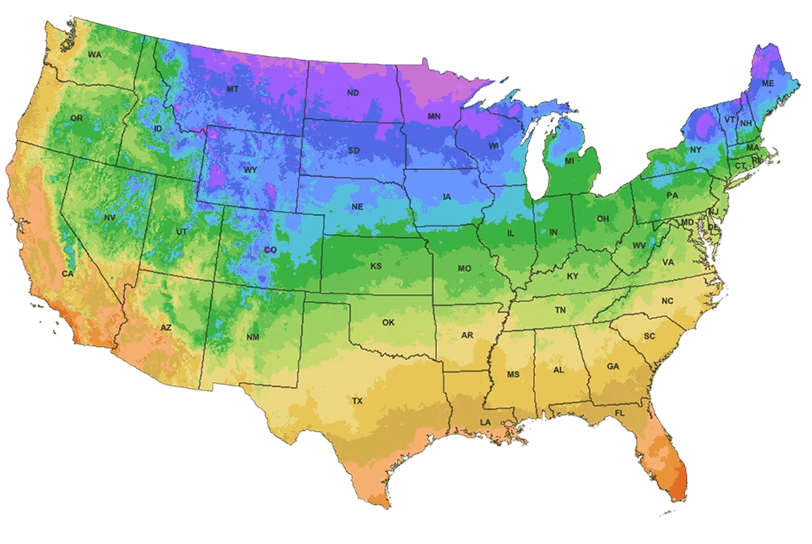
Climate Zone 1
Climate zone 1 is not typically seen within the United States outside of Alaska. It represents the coldest climates on the planet.
Climate Zone 1A
Avg. extreme winters: -60° to -55° F
Climate Zone 1B
Avg. extreme winters: -55° to -50° F
Raleigh Electricity Prices
Understanding electricity costs in Raleigh helps you make smarter decisions about your home's heating and cooling systems.
North Carolina electricity rates have climbed 25% since 2021—from 11.3 to 14.1 cents per kWh. For Raleigh homeowners, this steady increase means higher monthly bills for the same comfort.
Heat pumps offer a practical response to rising rates. Because they're 2-3x more efficient than traditional HVAC systems, they use significantly less electricity to heat and cool your home—reducing the impact of each rate increase.
As electricity costs continue their upward trend, efficiency becomes increasingly valuable. A heat pump's lower energy consumption means your monthly savings grow over time, protecting your budget against future rate hikes.
Price of Energy: North Carolina vs National Average
Raleigh Area Utility Providers
Raleigh residents benefit from below-average electricity rates. According to 2023 data, Duke Energy and EnergyUnited—the area's primary providers—charge between 11.7¢ and 14.2¢ per kWh, well below the national average of 16.0¢.
North Carolina's competitive rates stem from its diverse energy mix, including nuclear, natural gas, and growing renewable sources. The state's regulatory environment and lower transmission costs also help keep prices around 12.90¢ per kWh statewide—nearly 20% below national levels.
These favorable rates make heat pumps even more cost-effective in Raleigh. Since heat pumps can deliver three times more heating or cooling energy than the electricity they consume, your lower local rates translate to greater savings compared to traditional gas or oil systems.
Raleigh Utilities Electricity Rates
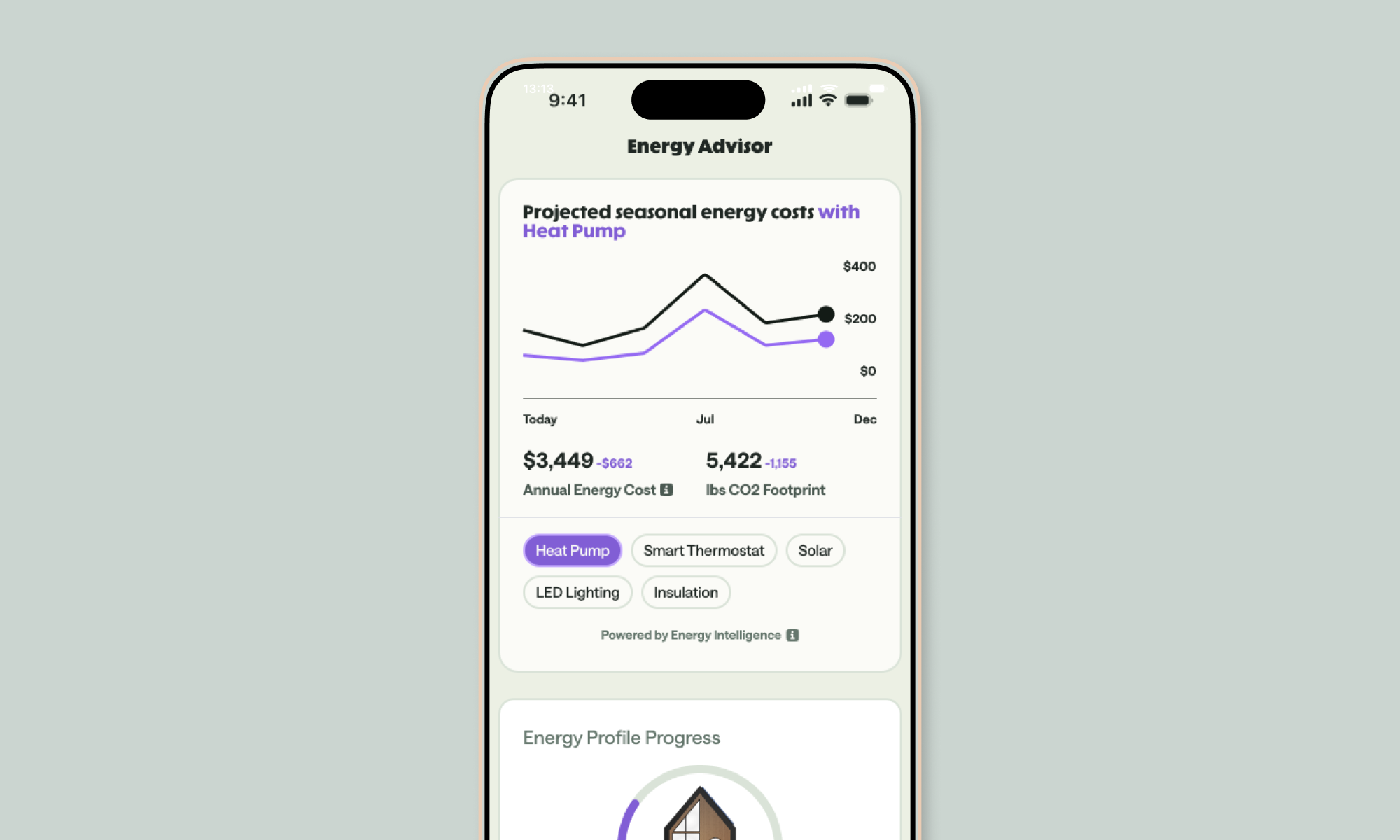
Let our smart tools do the heavy lifting.
Get personalized tips, usage insights, project tracking, and that daily satisfaction of making your energy work smarter with the Palmetto mobile app.
- Rewards for smarter energy usage
- Energy insights & Dashboard
- Personalized Savings Tools
- Whole Home Energy Management
- Support Whenever You Need It
Repair versus replace
When a heat pump is in need of repair it is worth considering whether a replacement would be a better investment. While each case is unique, we generally recommend investing in a new unit when repairs exceed $5,000.
A heat pump's lifetime is impacted by a number of factors including environment, use and the quality of the unit. It's important to choose the right unit for your climate zone and home's unique attributes.
When you are in need of repair, we recommend choosing a service provider that is an expert in the heat pump brand you have installed, and checking online reviews to ensure you are investing in the right level of service.
| Potential repair | Cost range | Description |
|---|---|---|
| Capacitor Replacement | $150 - $400 | Common issue when unit struggles to start or makes a humming noise. Capacitors store the electrical energy needed to start the compressor and fan motors. |
| Refrigerant Recharge | $250 - $750 | Needed when the system loses cooling or heating efficiency due to low refrigerant levels. Includes leak detection, repair of minor leaks, and recharging the system to the manufacturer-specified level. |
| Reversing Valve Replacement | $450 - $900 | Required when the unit cannot switch between heating and cooling modes. The reversing valve directs refrigerant flow and is unique to heat pump systems. |
| Compressor Replacement | $1,500 - $3,000 | Major repair needed when the unit fails to heat or cool entirely. The compressor is the heart of the system, circulating refrigerant between the indoor and outdoor coils. |
| Evaporator/Condenser Coil Replacement | $1,200 - $2,800 | Replacement needed when coils develop leaks or corrosion that cannot be economically repaired. Coil damage reduces heat transfer efficiency and can cause refrigerant loss. |
| Control Board Replacement | $500 - $1,200 | Required when the system has electrical failures or erratic behavior. The control board manages all system operations including defrost cycles, fan speeds, and compressor staging. |
| Full System Replacement | $4,500 - $8,000+ | When repairs exceed the value of the unit or multiple major components fail simultaneously. Includes removal of the old system and installation of a new heat pump with updated refrigerant lines and electrical connections. |
Frequently Asked Questions
Yes, heat pumps make excellent sense in Raleigh. The city's Climate Zone 8 designation means winters rarely drop below 14°F and summers reach around 95°F—conditions where heat pumps operate efficiently year-round. With North Carolina's electricity rate at 14.1¢ per kWh, heat pumps typically cost less to run than traditional heating systems while providing both heating and cooling.
Raleigh homeowners can access heat pumps through Palmetto's Comfort Plan with $0 upfront and all maintenance included, or purchase directly to qualify for up to $2,000 in federal tax credits under the Inflation Reduction Act. Either way, the mild climate and available incentives make heat pumps a practical, cost-effective choice for local homes.
Heat pumps are highly efficient in Raleigh's climate, which falls in Climate Zone 8 with moderate winters (design temp: 14°F) and warm summers (design temp: 95°F). Modern heat pumps typically deliver 2-3 times more heating or cooling energy than the electricity they consume, making them cost-effective year-round at North Carolina's current rate of 14.1¢ per kWh.
Raleigh's mild winters mean heat pumps rarely encounter temperatures where efficiency drops significantly, allowing them to outperform traditional heating systems most of the year. Whether you choose Palmetto's Comfort Plan with $0 upfront cost and included maintenance, or direct purchase to access federal tax credits up to $2,000, you'll benefit from lower energy bills compared to conventional systems.
The choice between leasing and buying a heat pump in Raleigh depends on your financial priorities and homeownership plans. Buying offers long-term ownership and access to federal tax credits up to $2,000 under the Inflation Reduction Act, plus potential local rebates. Leasing through Palmetto's Comfort Plan requires $0 upfront and includes all maintenance, repairs, and warranty coverage with a predictable monthly payment.
For Raleigh's Climate Zone 8 conditions, both options deliver the same energy efficiency benefits against 14.1¢ per kWh electricity costs. Leasing works well if you prefer avoiding upfront costs and maintenance responsibilities, while buying makes sense if you want to maximize tax incentives and own the equipment outright. Consider how long you plan to stay in your home and your comfort level managing equipment maintenance.
Heat pump costs in Raleigh typically range from $5,000 to $15,000 for a complete installation, depending on your home's size, existing ductwork, and the system's efficiency rating. Raleigh's Climate Zone 8 conditions—with winter lows around 14°F and summer highs near 95°F—mean you'll need a properly sized system that handles both heating and cooling efficiently.
Palmetto offers two straightforward ways to get a heat pump: our Comfort Plan with $0 upfront and a predictable monthly payment that includes all maintenance and repairs, or direct purchase where you own the equipment outright and may qualify for up to $2,000 in federal tax credits under the Inflation Reduction Act. With North Carolina's electricity rate at 14.1¢ per kWh, an efficient heat pump can deliver meaningful savings on your energy bills.
Yes, heat pumps are typically worth it financially in Raleigh's climate. Modern heat pumps can reduce heating and cooling costs by 30-50% compared to traditional systems, and with North Carolina's electricity rate of 14.1¢ per kWh, most homeowners see meaningful savings on their monthly energy bills within the first few years.
The financial benefits become even more attractive when you consider available incentives and flexible payment options. If you purchase directly, you may qualify for up to $2,000 in federal tax credits under the Inflation Reduction Act, plus local rebates. Alternatively, Palmetto's Comfort Plan offers a $0 upfront option with predictable monthly payments and all maintenance included, making heat pumps accessible without a large initial investment.
In Raleigh, heat pumps are installed by licensed HVAC contractors who understand the specific needs of Climate Zone 8, where systems must handle both 14°F winter lows and 95°F summer highs. Palmetto offers professional heat pump installation with certified technicians who ensure your system is properly sized and installed for North Carolina's climate.
Palmetto provides two installation options: a Comfort Plan with $0 upfront cost and all maintenance included, or direct purchase where you own the equipment outright and may qualify for up to $2,000 in federal tax credits. Both options include expert installation and ongoing support to help you save on energy costs with North Carolina's 14.1¢ per kWh electricity rates.
A heat pump is actually a type of HVAC system. HVAC stands for Heating, Ventilation, and Air Conditioning—it's an umbrella term for any equipment that controls your home's temperature and air quality. Heat pumps are unique because they both heat and cool your home using electricity, transferring heat rather than generating it through combustion.
In Raleigh's Climate Zone 8, where temperatures range from 14°F in winter to 95°F in summer, modern heat pumps efficiently handle both extremes while using North Carolina's 14.1¢ per kWh electricity rate. Unlike traditional HVAC systems that use separate furnaces and air conditioners, a single heat pump does both jobs, which can simplify maintenance and reduce equipment needs in your home.