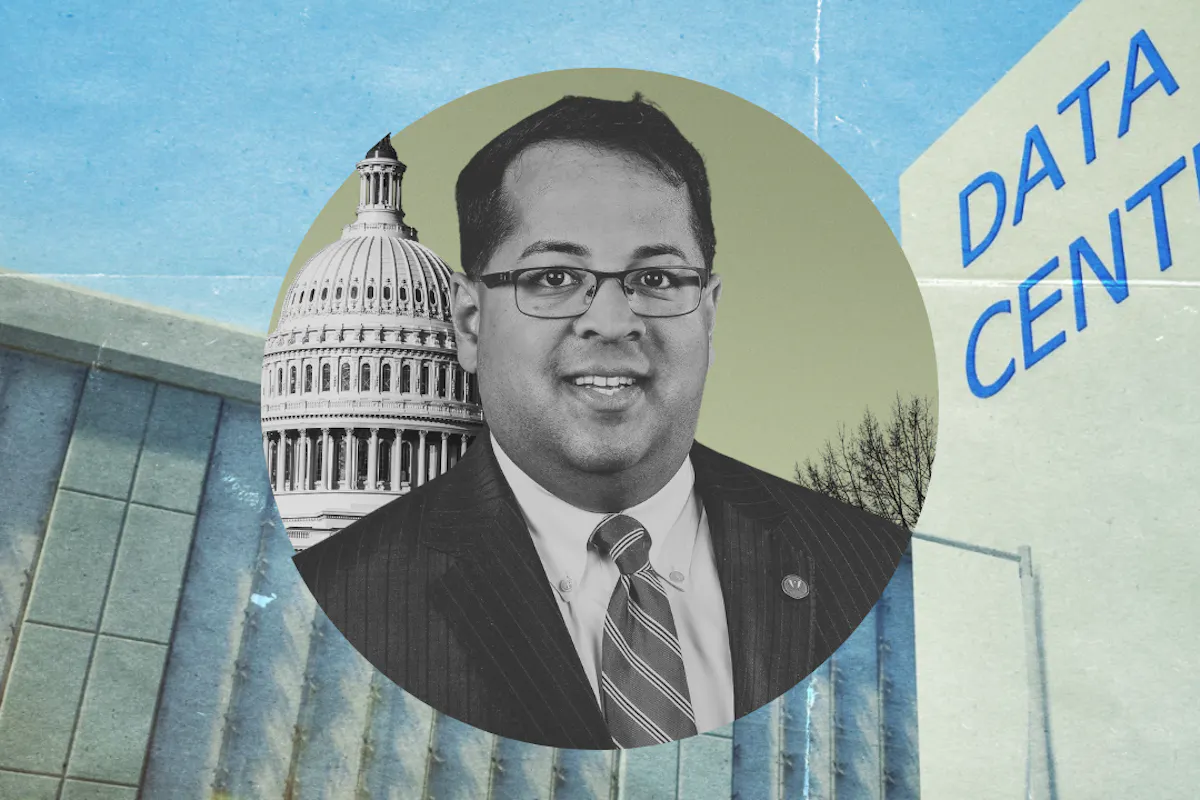
Policy and Energy Notes with Neil: the American Energy Dominance Act
Last edited
Author
Andrew Blok
Electrification and Solar Writer and Editor

The intersection of energy, policy, and politics is as busy as ever. Today’s headlines are filled with stories about the closed Strait of Hormuz, data center demand, and both’s effect on residential energy prices. Meanwhile, the midterm elections are drawing into sight and redistricting moves are changing the electoral map weekly.
Against that backdrop Neil Chatterjee, Palmetto’s Chief Governmental Affairs Officer, breaks down one domestic energy policy development, how it fits into the broader energy and policy landscape, and how it might factor into a potential reconciliation process.
Watch the full remarks or read the highlights below. This conversation was recorded on the morning of Thursday, February 12, 2026.
On the American Energy Dominance Act
I want to focus on the introduction of the American Energy Dominance Act by Representative Brian Fitzpatrick of New York, my buddy Mike Carey of Ohio, and a couple of other Republicans who came together to introduce legislation to extend some of the clean energy tax incentives, including 48E, that were given a runway in last summer's One Big Beautiful Bill Act.
These Republican Congressmen argue that at this moment in time when Americans are feeling the pain of high electricity prices, even though companies are working towards subsidy independence, investors crave long term certainty and now is not the time to end some of these tax incentives.
On the act’s chances
Now, do I think the bill is going anywhere this Congress? I don't.
However, it still has immediate value from a defensive perspective. Republicans are looking at another reconciliation bill to pay for immigration spending and security in Iran. They're not going to get a single Democrat vote for that package. They're going to have to use that same process that was used last summer for OBBBA and that's going to require just about every Republican vote. These members signing onto the American Energy Dominance Act — while they're not likely to get included in the reconciliation process — should take energy tax credits off the table, minimizing any risk of further changes to the policy. That has a lot of value.
And then looking ahead to the future, I think the effect of the recent Supreme Court decision on the Voting Rights Act and its effect on redistricting is likely to be felt more in 2028 and not the 2026 midterms. While the election is still several months away, I still think that Democrats look favored to take the house. And while there's been some exuberance from Senate Democrats, the map in the Senate still largely favors Republicans. You could very likely be looking at divided government in 2027 and in President Trump's final two years. I sadly believe high electricity prices will still be an issue in from 2027 to ‘28 and ‘29. With Republican and significant Democrat support for extending some of these clean energy tax incentives, I'm hoping that it creates the parameters for a bipartisan deal to further extend some of these incentives.