Dual fuel heat pump systems: How do they work?
Last edited
Author
Andrew Blok
Electrification and Solar Writer and Editor
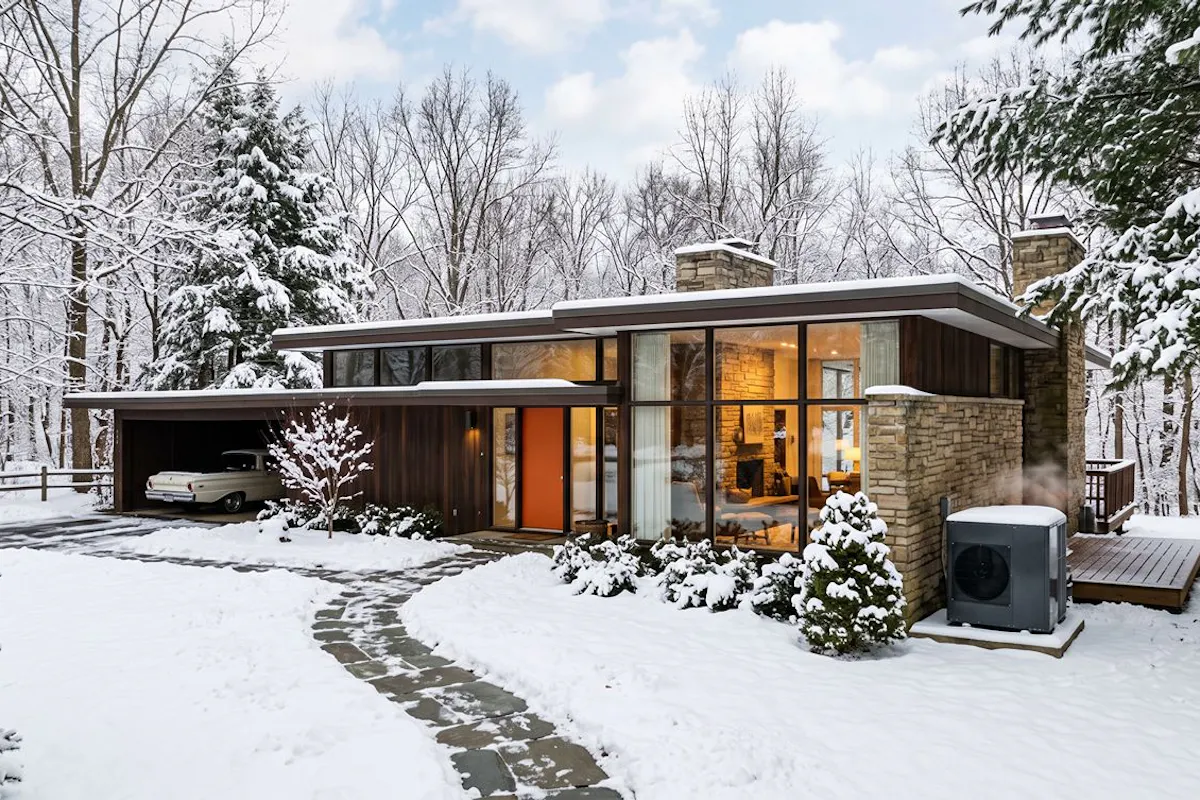
Heat pumps offer an extraordinarily efficient way to heat and cool your home. Even in freezing weather, places like Scandinavia and Maine rely on them heavily.
Even so, many homeowners choose to pair a heat pump with their existing gas furnace as a dual fuel HVAC setup. Here’s how dual fuel systems work, their pros and cons, and how to decide whether keeping a backup furnace is worth the cost or if a standalone heat pump is all you need.
See how much you can save with a new HVAC system from Palmetto
How does a dual fuel heat pump system work?
A dual fuel system (sometimes called a hybrid heat pump) consists of two main components:
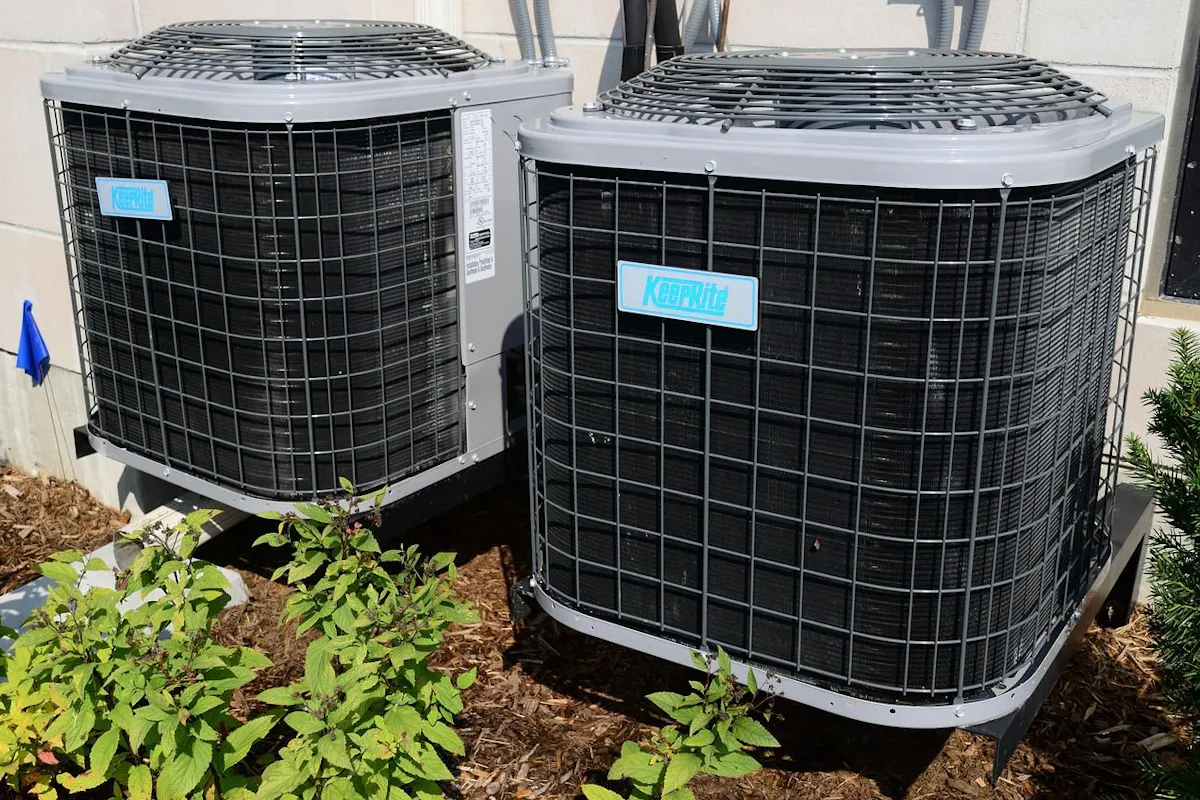
- An electric air-source heat pump: This sits outside and handles both cooling in the summer and heating during mild-to-cold weather.
- A natural gas or propane furnace: This sits inside and takes over when temperatures drop below the heat pump's optimal efficiency range.
How it works
The system typically uses an economic balance point programmed into your thermostat. Called the balance point temperature, it’s a specific outdoor temperature at which running your heat pump becomes more expensive than running your furnace. It mostly depends on your heat pump and electricity rate.
- Above the balance point: The heat pump is incredibly efficient as it moves heat from the outside air into your home.
- Below the balance point: Because heat pumps can get less efficient as it gets colder outside, they may be more expensive to run than a gas furnace. When this temperature is reached, your furnace fires up.
As heat pumps get more efficient, this type of dual fuel system may become less valuable. As the temperature at which it’s cheaper to run a gas furnace gets lower and lower, there may be fewer instances where it’s worth maintaining two systems.
Pros and cons of dual fuel systems
| Pros | Cons |
|---|---|
| Extremely high efficiency in moderate temperatures (200%-400% that of a gas furnace or electric resistance heating). | Lower efficiency once the gas furnace takes over. |
| Can lower monthly utility bills by using the cheapest fuel source available. | Higher upfront installation cost compared to a single unit, and multiple machines. |
| Heat pump delivers best in class comfort. | Requires maintenance for two different types of systems. |
| Heat pump portion can be powered by rooftop solar panels. |
See how much you can save with a new HVAC system from Palmetto
Should you get a dual fuel HVAC system?
The value proposition of a dual fuel system is based on two ideas: that heat pumps may not keep up with frigid temperatures and the ability to switch between fuels allows you to opt for either when that system is cheapest to run.
According to the U.S. Department of Energy, heat pumps can reduce electric bills for most Americans, and trim electricity use for heating by approximately 50% compared to electric resistance heating like baseboard heaters or electric furnaces. And, 13 million homes that use natural gas for heat could also save by switching.
The specifics of a location’s gas and electricity prices, paired with its climate, will determine how much it costs to heat your home with each fuel, but research shows that most Americans can save with a wholesale switch. A dual fuel system will also have higher maintenance costs, since it includes two distinct systems, each with their own service and repair needs.
Modern cold-climate heat pumps are capable of heating homes in frigid temperatures. While older models struggled to keep up with frigid temperatures, that's not the case anymore, according to sources like the state of Maine, where heat pump installations have outpaced adoption goals. It says that “properly sized heat pumps can be used to heat virtually any home or business.”
Looking for a new HVAC system for your home? Find out if Palmetto’s Comfort Plan will work for you. Predictable monthly payments get you the equipment, installation, maintenance, and covered repairs, without the upfront cost. Reach out today for a quote tailored to your home.
See how much you can save with a new HVAC system from Palmetto
Frequently asked questions
Is a dual fuel system more expensive to install?
Yes. You are essentially paying for two pieces of equipment (a heat pump and a furnace), though many are installed when people add a highly efficient heat pump to an existing furnace system.
Do I need a special thermostat for a dual fuel heat pump system?
Yes. You need a "dual fuel compatible" smart thermostat that can communicate with both the outdoor unit and the indoor furnace to manage the switch-over point automatically. Many smart thermostats have this capability.
How long do hybrid heat pump systems last?
Typically, the furnace can last 15-20 years, while the heat pump (which works year-round for both heating and cooling) lasts about 10-15 years. Regular maintenance is key to longevity.
What temperature does a dual fuel heat pump switch to gas?
The economic balance point varies based on a few key factors: your heat pump’s efficiency at cold temperatures and your gas and electricity rates. The balance point temperature will be higher if you don’t have a cold climate heat pump. High electricity prices and low gas prices would raise the temperature at which the system would switch over, while cheap electricity and expensive gas would lower it.
What is the difference between a dual fuel system and a heat pump with aux heat?
A dual fuel system includes a second fuel (like natural gas, propane, or heating oil), while auxiliary heat is an electric resistance element that generates heat in a less efficient way.
Disclaimer: This content is for educational purposes only. Palmetto does not provide tax, legal, or accounting advice. Please consult your own tax, legal, and accounting advisors.