Water Heater Leases: Cost, Experience, and Benefits
Last edited
Author
Andrew Blok
Electrification and Solar Writer and Editor
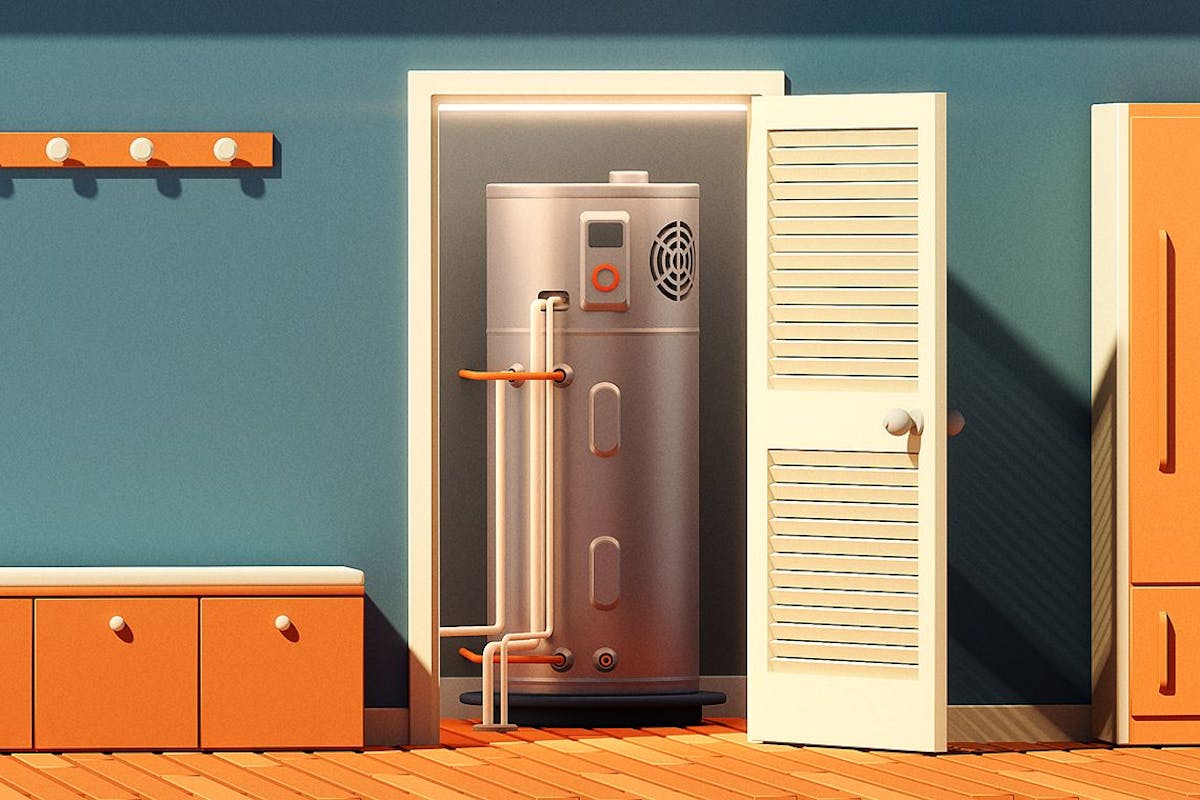
There’s a long tradition of ignoring your water heater until it breaks, leaving you with a surprise repair bill and a cold shower. If you’re tired of unpredictable upfront costs, a water heater lease might be the answer.
By trading large upfront investments for a manageable monthly fee, you get equipment, installation, and maintenance all in one package. Here’s how leasing works, its specific benefits, and how to decide if its the right fit for your home.
See what home electrification can do for you:
Key benefits of a water heater lease
Choosing a lease over traditional ownership offers several key advantages.
- No upfront costs: Traditional replacement can cost thousands of dollars. Leasing programs typically don’t require up front payments, just completing an approval process.
- Predictable monthly expenses: A predictable monthly payment covers the installation, scheduled annual maintenance, and covered parts and labor. This eliminates the sticker shock of emergency plumber calls.
- Comprehensive coverage: Most long-term leases (often 10 years) include full tank coverage and protection for eligible repairs throughout the life of the plan.
- Worry-free maintenance: Because the leasing company owns the unit, they have a vested interest in keeping it running efficiently. Plans often include app-based access to service and professional support if something breaks.
See what home electrification can do for you:
Flexibility at the end of the term
Modern water heater leasing programs provide options when the term is up.
| Option | How it works |
|---|---|
| Upgrade | Transition into a new plan with the latest, most energy-efficient technology. |
| Buy out | Purchase the system at a fair market rate to assume full ownership. |
| Renew | Continue the service on a year-to-year basis, often at reduced rates. |
| Walk away | Simply return the system and end the agreement. |
Is a water heater lease right for you?
Leasing may be a good fit for homeowners who prioritize reliability and budget stability over DIY maintenance. It shifts the risk of equipment failure to the service provider, ensuring that hot water remains a background convenience rather than a source of stress.
See what you could save with home energy upgrades by exploring Palmetto’s Savings Maximizer.
See what home electrification can do for you:
Frequently asked questions
What is included in a monthly water heater lease?
A predictable monthly payment typically covers the cost of the water heater, professional installation, scheduled annual maintenance, and covered parts and labor for eligible repairs.
Is there a large upfront cost to start a plan?
No, these programs are designed for affordable access with no upfront cost.
How long does a typical lease term last?
Standard lease terms for water heaters are often set for 10 years.
What happens if the water heater breaks?
If a breakdown occurs, repairs for covered parts and labor are included for the life of the plan. Many modern plans offer app-based access to request service or phone support to help resolve the issue.
What are my options when the lease term ends?
You generally have four flexible choices:
- Renew: Continue the plan for 1-year terms, often at reduced rates.
- Buy out: Purchase the existing system at a fair market rate.
- Upgrade: Roll into a new plan to receive the latest water heater technology.
- Walk away: Simply return the system and move on.
Is a leased water heater the same as a rent-to-own water heater?
Depending on the terms of an agreement, they may be the same thing. Check an agreement’s terms around who is responsible for maintenance and repair. Water heater leases often have options to own the water heater at the end of the term.
Disclaimer: This content is for educational purposes only. Palmetto does not provide tax, legal, or accounting advice. Please consult your own tax, legal, and accounting advisors.