New Water Heater Costs: Installation, Maintenance, and Operation
Last edited
Author
Andrew Blok
Electrification and Solar Writer and Editor
Editor
Andrew Giermak
Solar and Electrification Writer and Editor
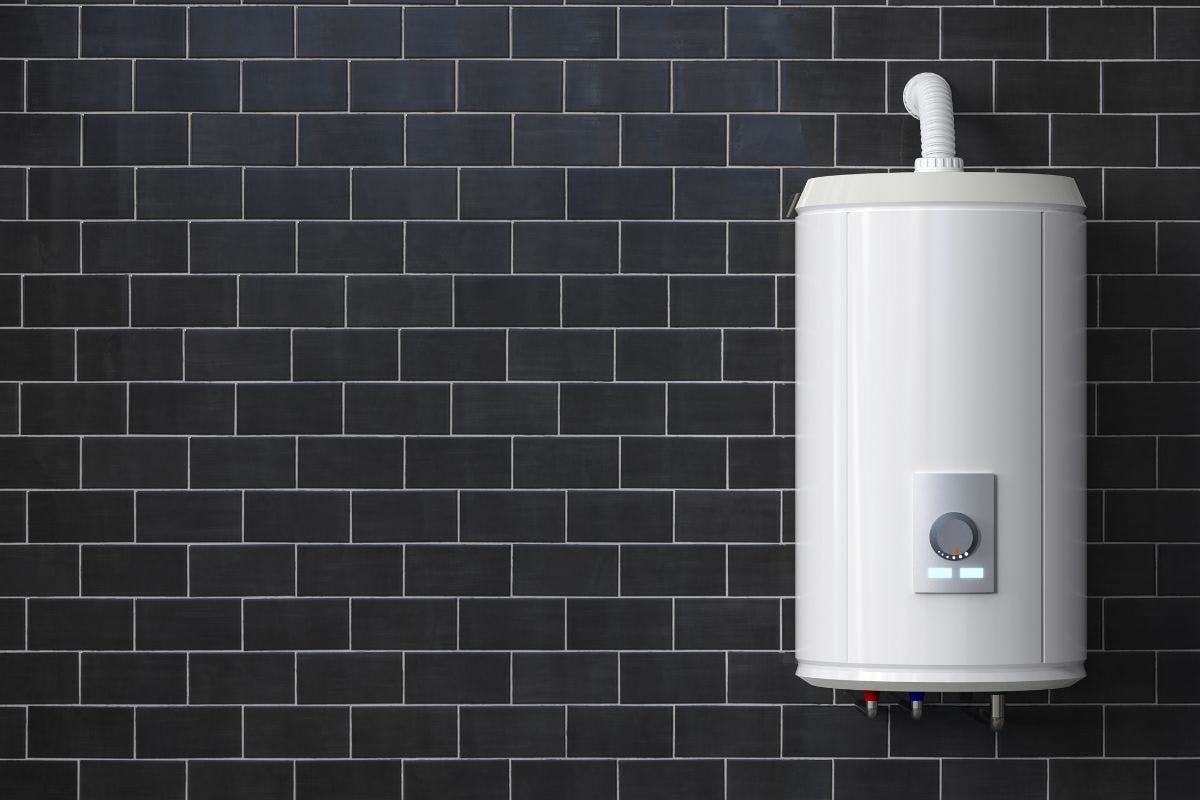
It’s easy to ignore your water heater until it stops working, but that small appliance quietly accounts for about 12% of your home's energy use. With rising energy prices, that can be a significant expense — but it’s also a real opportunity to save.
By understanding the installation costs and long-term operating expenses of different water heater types, you’ll be able to choose a model that lowers your bills, improves your home's efficiency, and suits your needs.
See how much you can save with home energy changes
Water heater installation costs
There is a surprising variety of water heaters available today.
Here are the initial costs to expect by type of water heater.
Conventional tank water heaters
More than 80% of water heaters in US homes are gas or electric conventional tank systems. That number, though, was about 94% in 2009.
Conventional water heaters cost from $600 to much higher to purchase and install with the average falling around $2,000, according to our survey of online estimates. Tank water heaters can run on electricity, gas, geothermal power, or propane. Electric tank water heaters tend to be less expensive up front.
Larger tank size, switching fuels, the removal of your old water heater, and any additional equipment needed could all increase the cost.
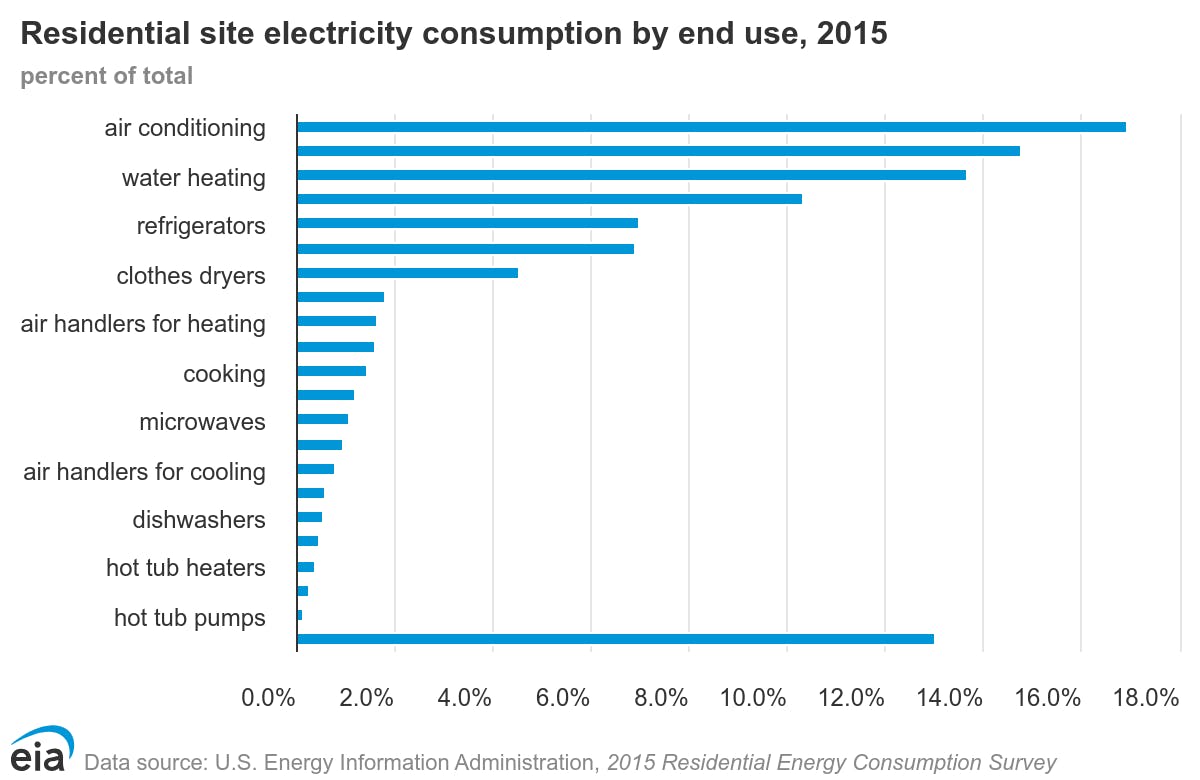
Credit: US EIA
Tankless water heaters
Tankless water heaters can run on gas or electricity. They heat water on demand and do not keep water in a tank 24-7.
The Department of Energy estimated tankless water heaters save about 8%-34% on a home’s energy for water heating. The average home spends $400-$600 a year on water heating, so the savings can be up to about $200 a year.
Purchase and installation prices ranging up to $5,400, with higher average costs than tank water heaters, according to our review of online estimates. A tankless water heater has an expected lifespan of 20 years or longer, which can mean decades of energy savings.
Heat pump water heaters
Heat pump water heaters, also known as hybrid electric or hybrid heat pump water heaters, are the most energy efficient water heaters. Purchasing and installing a heat pump water heater costs about $2,500-$6,000, according to Energy Star.
A heat pump water heater uses electricity to move heat from the air or ground to your water. They (and other water heaters) can also have smart functions to respond to the grid to use cheaper electricity or reduce demand on the grid as part of a virtual power plant.
Switching fuels and other factors
If you’re switching from a natural gas water heater to an electric one, you will pay for a new unit, the installation, and a bit extra for converting from gas to electric. Conversion from gas to electric adds about $250-$600 to the installation according to online estimates.
Rebates for water heaters
Tank, tankless, and heat pump water heaters, could qualify for home energy rebates.
This rebate program is a federal program, but paid out by states. The best place to see your eligibility is your state's homepage for the program.
See how much you can save with home energy changes
Operating costs for water heaters
Once you have a new water heater, what are the estimated operating costs?
Conventional tank water heaters
The cost to heat water for your home varies with the size of your water heater, our local cost of electricity or gas, and how much hot water you use.
Gas water heaters have an energy cost of $325-$475 a year, according to a range of sources. The wide range varies due to tank capacity, water usage, and natural gas rates.
With conventional electric resistance water heaters, the annual energy cost range is $400-$600, thanks to the relatively high cost of electric resistance heating.
Tankless water heaters
Electric tankless water heaters have lower operating costs than gas tankless water heaters primarily because they are more energy efficient. Electric tankless water heaters can be more than 95% efficient while high efficiency gas models peak just below that.
Because tankless water heaters don’t store hot water, they avoid the energy that’s lost when stored hot water cools down.
Electric tankless water heaters cost $450-$600 a year to operate and gas tankless water heaters cost $200-$350, according to retail and consumer sites.
See what home electrification can do for you:
Heat pump water heaters
Installing an Energy Star-certified heat pump water heater can take your annual energy cost to $104-$160. Energy Star estimates an annual electric bill for a family of four can be reduced by about $550 compared to electric resistance water heaters, and the lifetime energy savings from a heat pump water heater may be more than $5,000.
One measure of efficiency shows that heat pump water heaters are some of the most efficient models out there. Uniform Energy Factor (UEF) measures how much of the energy a water heater uses goes to heating the water and how much is lost.
While most tank and tankless water heaters have UEF ratings up to about 0.95 (95% efficiency), heat pump water heaters can have UEF ratings of 3.3 to 4.1. Because heat pumps move heat rather than create it, they can supply more energy as heat than the energy in the electricity they consume.
Electric vs. gas water heaters
How much does it cost to heat water with electricity compared to gas?
There are some general differences in gas and electric water heaters’ expenses. Gas rates can be lower than electricity rates. Electric water heaters are usually more efficient and heat pump water heaters are the most efficient option. Upfront costs are typically lower with electric water heaters.
Reducing water heater costs
There are a few things you can do to reduce your water heating cost.
- Generate your own electricity with rooftop solar panels.
- Reduce your water heater’s temperature from 140 degrees Fahrenheit to 120 degrees.
- Insulate the first few feet of the pipe leaving the water heater tank.
- If you have an older water heater and the tank is warm to the touch, see if you can safely install a water heater blanket to keep that heat from escaping.
- Fix any leaky faucets. (A hot water leak with a pace of one drop per second would leak 1,661 gallons of water in a year.)
- Look for Energy Star-certified water heaters
- Use less hot water. Wash your clothes cold, for example.
EnergyGuide labels
An EnergyGuide label, the yellow sheet of paper with energy consumptions and cost estimates attached to many new appliances, can give you an idea of how much your operating costs will be in a year.
EnergyGuides’ estimates for costs and consumption are based on national averages and might vary from your actual use. The label will list assumptions that go into calculating the cost like the electricity rate and performance of similar water heaters.
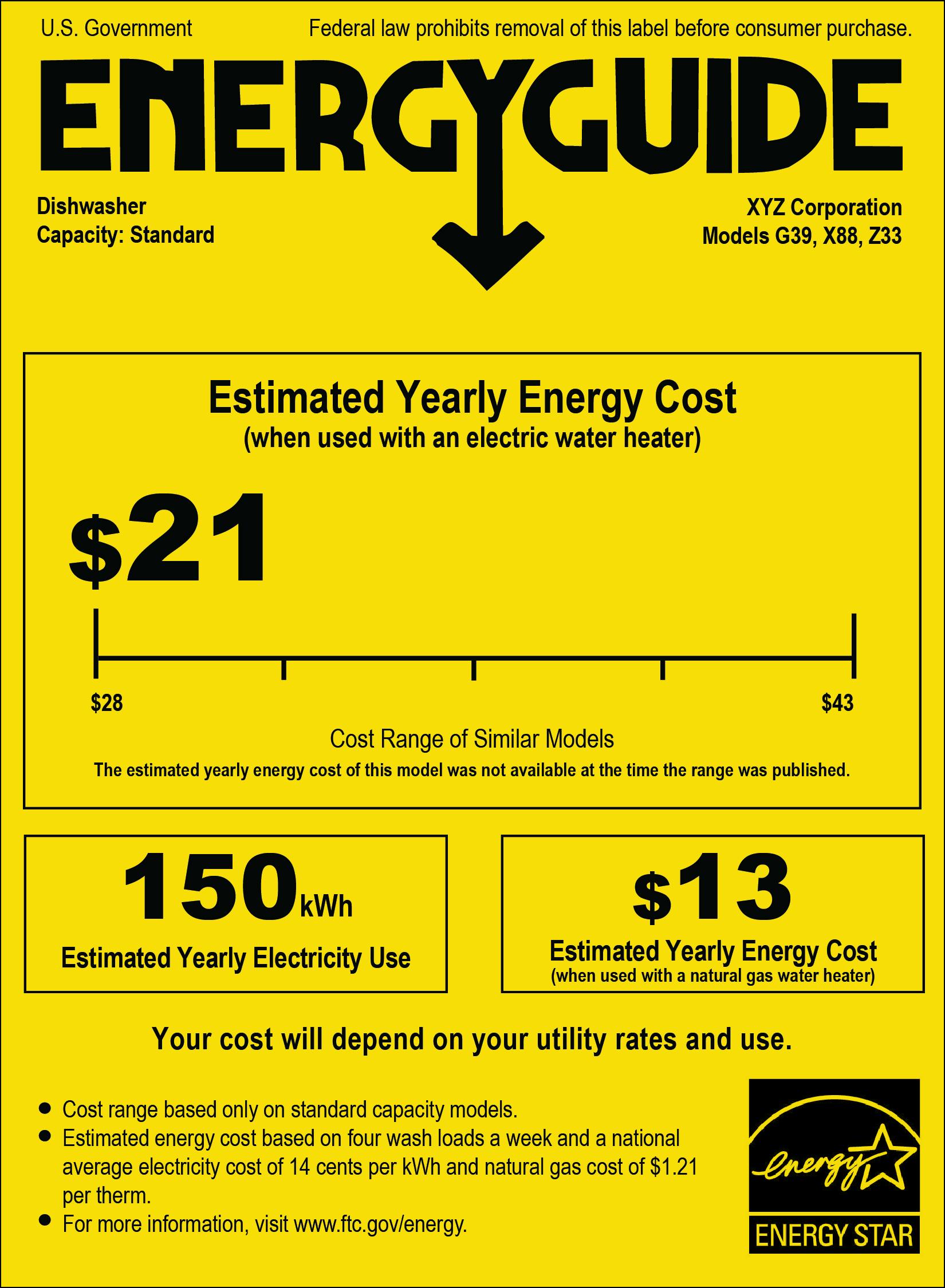
This EnergyGuide label for a dishwasher shows the typical facts and figures given. Credit: Federal Trade Commission
When should I replace my water heater?
You might need to replace your water heater because it’s near the end of its life or you just want an upgrade.
Signs of end of life
Here are some signs your water heater is on its last leg.
- No or not enough hot water
- Inconsistent temperatures
- Nearing the end of its expected lifespan in years
- Rusty or dirty-colored water
- Leaks from tank or components
- Loss of water pressure
- Rattling sounds
- Pilot light frequently goes out (gas heaters only)
Reasons to upgrade
Your water heater might not meet your needs for any number of reasons.
- New hot water demand above water heater’s capacity
- Home electrification
- To maximize the use of your home solar panel production
Typical water heater lifespan
Another factor in long-term operating cost is lifespan. Electric tank water heaters average a longer lifespan, usually lasting 10-15 years. Gas water heaters have an average lifespan of 8-12 years.
Both types of tankless heaters have typical lifespans of 20 years or more.
Heat pump water heaters have an expected lifespan of 13-15 years.
Water heater maintenance
Routine maintenance can extend a water heater’s useful life.
For tank water heaters maintenance includes flushing a quart of water through the tank every three months, checking the temperature and pressure valve on the tank every six months, and checking the anode rod every 3-4 years. The US Department of Energy recommends checking the owner’s manual for your appliance’s needs.
Tankless water heaters typically need less maintenance. It’s recommended to flush it annually (some suggest using vinegar), but check the owner’s manual first. Other recommendations include checking the anode rod and the temperature and pressure valve.
Heat pump water heaters should have regular professional maintenance, just like an HVAC heat pump. Maintenance steps, whether DIY or by a professional, also include cleaning or replacing air filters as often as the manufacturer recommends and cleaning the condensate drain about once a year.
Solar water heaters
Using solar power for hot water can provide many of the same benefits home solar panels overall. The US Department of Energy estimates solar water heaters can reduce a home water heating bill by 50-80%.
Most solar water heaters harness the sun’s energy by having sunlight warm an outdoor water supply or using special solar thermal energy collectors. Although you can run a water heater with electricity generated by solar panels, self-contained thermal solar water heaters can also reduce monthly energy expenses.
Home electrification and energy efficiency
Switching to an electric water heater — be it conventional, tankless, heat pump, or solar — can be a key step in electrifying your whole home. Pairing home electrification with solar lets you power more of your home with clean, renewable energy.
Palmetto can help you understand how electrification might work at your home. Check out Palmetto’s Savings Maximizer for insight into how you could save.
See what home electrification can do for you:
Water heater cost frequently asked questions
How much does a water heater cost?
The cost of a water heater involves the water heater itself, installation, and additional required construction or system components. It’s wise to consider long-term factors, too, such as fuel cost and operating costs. The initial cost of buying and installing a new water heater can go from a few hundred dollars to $5,000 or more for larger projects.
Is a tank or tankless water heater better?
It depends on your needs. Conventional tank water heaters may be a better option for families or properties that need larger capacities of water. Tank water heaters usually have a lower initial up-front cost compared to tankless water heaters. Tankless water heaters are more energy efficient and usually have longer lifespans compared to conventional. In many cases, tankless water heaters will save money over the long term because of efficiency and using energy only on demand.
Heat pump water heaters are the most efficient option on the market.
What is a heat pump water heater?
A heat pump water heater operates differently than other electric or gas water heaters. Those options consume fuel — gas or electricity — to heat the water. A heat pump water heater instead moves heat to the water, in the same way a refrigerator removes heat from its interior. Because it’s not generating heat, it can be highly efficient.
Can I switch from gas to electric water heating?
Yes. There will likely be added expense in the transition from gas to electric, but the benefits can make up for it. Benefits of electric water heating include using a cleaner fuel source, using your own (solar!) energy source, and saving money, especially if a new water heater is part of a larger home electrification and energy efficiency plan.
How much does it cost to heat water with electricity?
That depends on your electric rate, how much hot water you use, and what type of electric water heater you have. A heat pump water heater is generally the most efficient option available.
Can you lower your water heater temperature?
Yes. Lowering your water heater's temperature can save you money and reduce your risk of scalding. People with certain health concerns should avoid reducing the temperature of their hot water.
Disclaimer: This content is for educational purposes only. Palmetto does not provide tax, legal, or accounting advice. Please consult your own tax, legal, and accounting advisors.
Actual costs, savings, and environmental impact will vary. The numbers provided on this page are estimates only.