Heating thermostat schedule: how to save while staying warm
Last edited
Author
Andrew Blok
Electrification and Solar Writer and Editor

Your thermostat decides when your heating system runs, which makes it one of the easiest places to look for savings this winter. A good thermostat schedule in the winter lowers the temperature when nobody needs a warm house, then brings it back before you notice. Whether you own or rent, and whether you have a furnace, heat pump, or baseboard heaters, here's what to watch for.
Why adjusting your thermostat can save you money
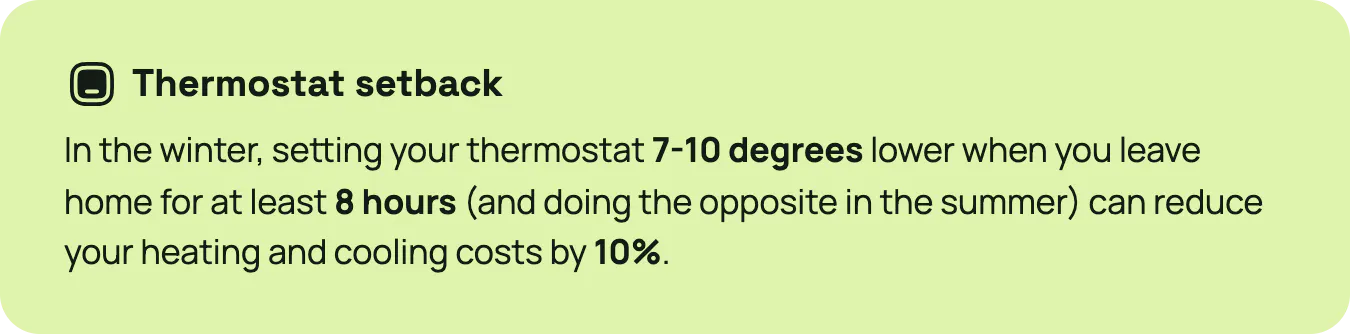
A setback means lowering your thermostat for a set stretch, like overnight or while you're at work. A cooler home loses heat more slowly, so your system runs less. The U.S. Department of Energy says turning your thermostat back 7 to 10 degrees Fahrenheit for 8 hours a day can save as much as 10% a year on heating and cooling, depending on your climate, home, and habits.
Some people worry that reheating cancels the savings. For most systems, the energy saved while the house is cooler generally outweighs the energy used to warm it back up. Some heat pumps are the exception (more on that below).
A set back will help no matter the thermostat setting you start from, but the lower your overall setting, the less energy you’ll use. One recommended starting point is 68°F while you're home and awake. Start from your preferred setting and lower it from there.
Best schedule for heating
The best schedule depends on how you heat your home in the first place.
Gas, oil, and propane furnaces
These furnaces warm a home quickly, so they usually handle setbacks well. Lower your thermostat 7 to 10 degrees when you're asleep or away, starting the warm-up 30 to 60 minutes early. Fuel prices differ, so dollar savings vary.
Electric furnaces
Electric furnaces heat with electric resistance, meaning electricity runs through heating elements. They generally work the same whether holding a temperature or recovering from a setback, so the schedule above usually applies.
Heat pumps
Many ducted heat pumps have backup electric resistance heat, often called auxiliary heat, that switches on when the heat pump can't warm your home fast enough. It costs more to run, and a big morning warm-up can trigger it. The Department of Energy advises against manually setting back a heat pump if that brings on the backup heat. Many installers suggest smaller setbacks, around 2 to 3 degrees, or a thermostat designed for heat pumps that manages backup heat for you. Ductless mini-splits may have no backup strips, so setbacks may be less risky, but check with your installer.
Baseboard heaters
Electric baseboard heaters have a thermostat in each room, so you can keep rooms you rarely use cooler. Baseboard heaters are rarely, if ever, on programmable thermostats. Hot-water baseboards and radiators respond slowly, so use smaller setbacks and start warming earlier. Electric baseboard heating can be costly to run, which makes scheduling worth the effort.
If you rent
Ask your landlord before swapping a thermostat. If you can't, adjust it by hand at bedtime and when you leave.
How much can adjusting your thermostat save?
Two research-backed numbers:
- Department of Energy: up to 10% a year on heating and cooling with a 7 to 10 degree setback for 8 hours daily.
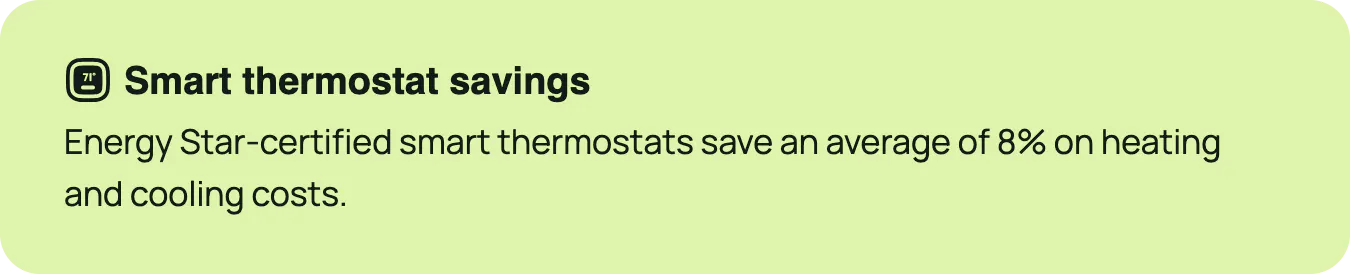
- ENERGY STAR: certified smart thermostats save about 8% of heating and cooling bills on average, roughly $50 a year. Savings may be greater depending on climate, comfort preferences, occupancy, and equipment.
These are estimates, not guarantees, and heat pumps that lean on backup heat may see less.
What to do next
Pick your system type above and set the schedule before the first cold week. Give it two weeks, adjust, and compare your next bills.
If your heating system itself is driving costs, Palmetto's Comfort Plan is an HVAC lease for eligible homeowners. It includes expert installation and sizing and covers maintenance and repairs (common repairs) for predictable monthly payments with $0 upfront. Upgrading to the right HVAC system may lower your energy use.
See how much you can save with home energy changes
Frequently asked questions
Is it beneficial to schedule your heat pump?
It can be, with care. Small, gradual adjustments usually avoid backup heat, and a thermostat made for heat pumps helps. When a setback triggers backup heating, heat pumps are much less efficient. Doing so could limit or undo the benefits of a setback.
What is the best heating thermostat schedule?
A common one is 68°F when you're home and awake, and 7 to 10 degrees lower when asleep or away. Heat pumps and slow-heating systems usually need smaller setbacks.
Does keeping the heat at one temperature save money?
Generally no. A cooler home loses heat more slowly, so lowering the temperature when you don't need it warm saves energy. With some heat pumps, the best advice is to set it and forget it. Check with your installer or your heat pump’s user manual.
Do smart thermostats save money?
Energy Star certified models save about 8% on average, though results vary by home and how you use them.
Disclaimer: This content is for educational purposes only. Palmetto does not provide tax, legal, or accounting advice. Please consult your own tax, legal, and accounting advisors.


