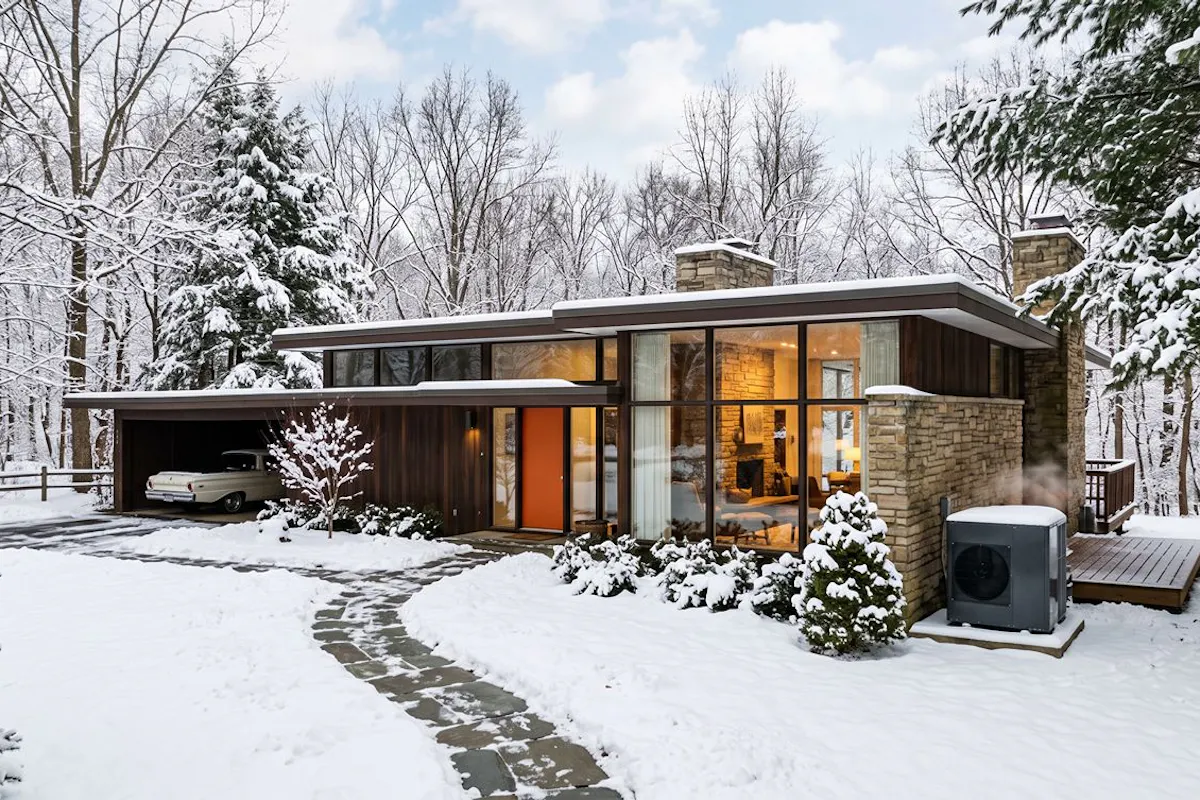
New report says heat pumps could put downward pressure on electricity rates
Last edited
Author
Andrew Blok
Electrification and Solar Writer and Editor

What happened?
According to an October 15 report from RMI, an energy research organization, adding heat pumps to more homes could keep electricity prices lower than they otherwise would be.
In many states, electricity use peaks in summer, and the grid is built for that peak. That leaves spare grid capacity in winter, which RMI calls winter headroom. Heat pumps, which use electricity to heat and cool homes, could make better use of that extra grid space. Adding them to homes that now burn fuel for heat would add winter electricity sales, without requiring new power plants to be built. That, RMI says, would spread the grid's fixed costs across more electricity use. (If the utility spreads $10 across 1,000 kilowatt-hours, that’s a penny per kilowatt-hour. If it spreads it across 2,000 kWhs, that’s half a penny per.)
RMI estimates about 109 million US homes could have a heat pump within today's winter headroom, up from roughly 23 million now. It estimates a mix of all-electric heat pumps and hybrid systems (a heat pump paired with an existing furnace or boiler) could cut residential rates an average of 13% in summer-peaking states, about $200 per customer per year. With all-electric heat pumps only, the estimate is 6%, or about $86.
What it could mean for your home
RMI notes that US residential electricity rates rose more than 8% over the past two years.
A lower system-wide rate also isn't the same as a lower bill for your house. Your bill depends on your home, how you use energy, your utility's rates, and your equipment. RMI says the numbers above should only be used directionally, and not as forecasts for any one utility.
Still, it shows that there’s plenty of room on the grid for lots and lots of heat pumps in the Northeast, Midwest, and Southwest. And, as cold climate heat pumps can now handle even the coldest winters, they’re more suited than ever to be used across more of the country.
Heat pumps are typically three to four times more efficient at heating than conventional furnaces and boilers. The same heat pump can also replace an air conditioner.
Read more: Cold climate heat pumps
What you can do next
If your furnace or AC is aging, it's a natural time to compare options. RMI notes heat pumps typically cost more up front than conventional equipment. For eligible homes, Palmetto offers the Palmetto Comfort Plan, an HVAC lease with predictable monthly payments covering equipment, sizing, installation, maintenance, and repair.
Read more: Heat pump leasing explainer
You can also ask your utility about heat pump-specific discounted winter rates, which some utilities now offer.
If you're curious whether a heat pump makes sense for your home, learn more about the Palmetto Comfort Plan.
See how much you can save with a new HVAC system from Palmetto
Disclaimer: This content is for educational purposes only. Palmetto does not provide tax, legal, or accounting advice. Please consult your own tax, legal, and accounting advisors.