Flexible Solar Panels Guide
Last edited
Author
Andrew Blok
Electrification and Solar Writer and Editor
Editor
Andrew Giermak
Solar and Electrification Writer and Editor
You can harness solar power for electricity anywhere the sun shines by using solar panels.
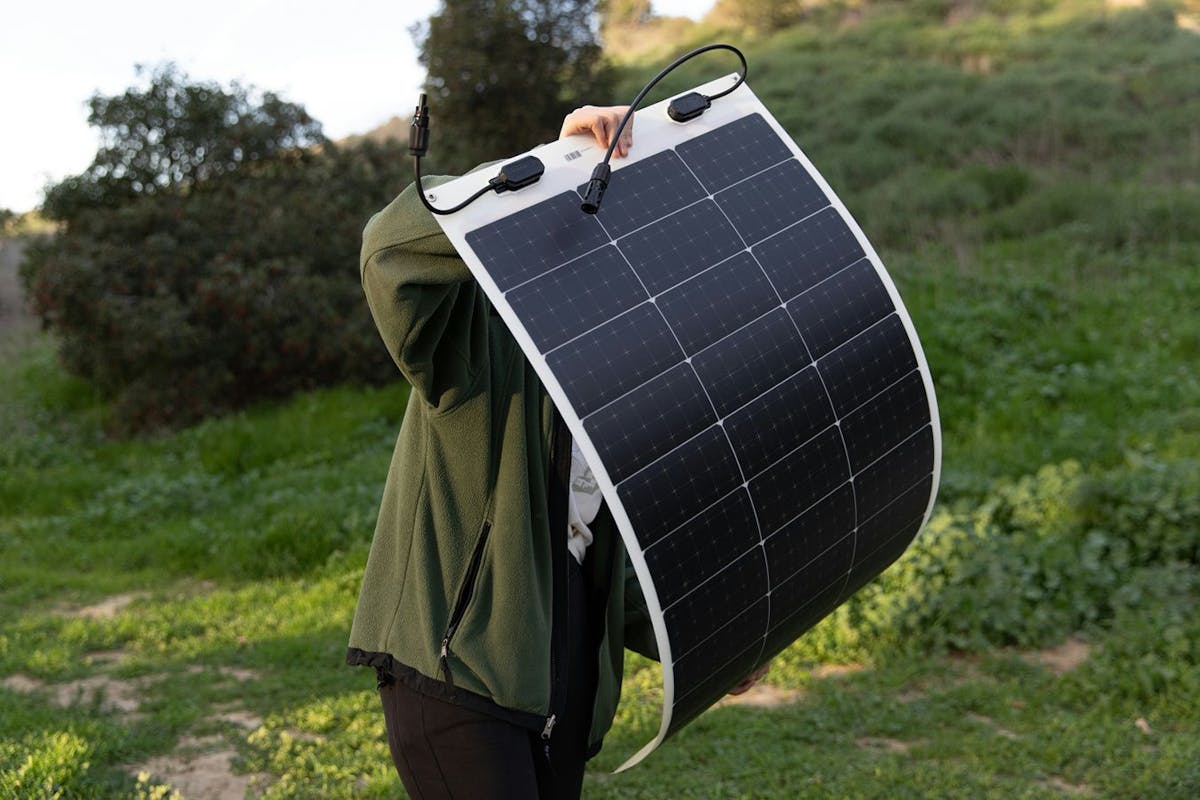
Flexible solar panels, in particular, expand the possibilities for power generation significantly. Their lightweight nature and ease of transport make them ideal even for remote locations, whether you're traveling on foot or are far from the power grid. This guide explores the applications, advantages, and disadvantages of flexible solar panels to help you determine if they are the right solution for your needs.
See how much you can save by going solar with Palmetto
What are flexible solar panels?
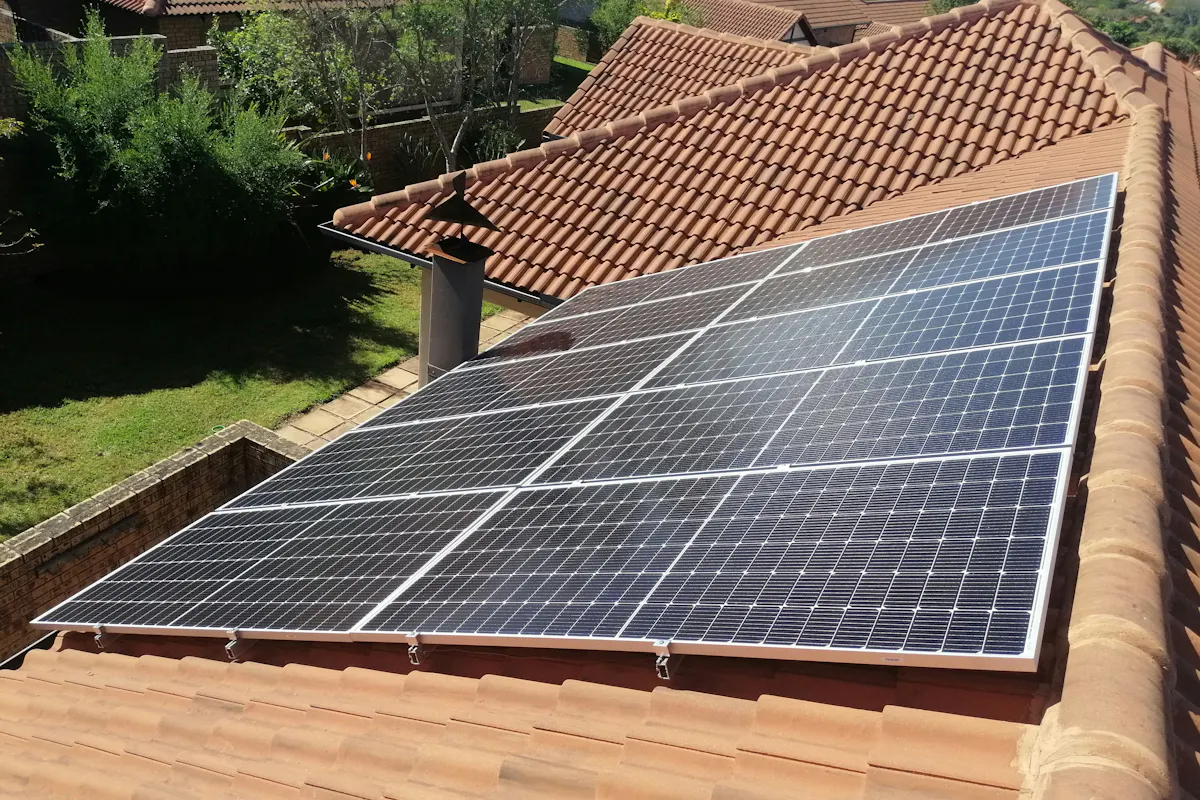
Flexible solar panels are photovoltaic (pv) devices made of ultra-thin silicon cells, usually a few micrometers wide, sandwiched between layers of protective plastic. This thin-film solar technology allows them to be much thinner and more flexible than standard monocrystalline panels. Cells in the larger solar panels are made of silicon wafers up to 200 micrometers thick (a little thicker than a human hair), then mounted on aluminum and covered with glass.
Reducing the width of the solar cells increases their flexibility, but reduces their efficiency and their expected lifespan. As a result, traditional, non-flexible panels remain more popular for home use because they can create more electricity, and last for an average of 25 to 30 years. Nevertheless, flexible pv panels fit where lightweight options are needed.
How are flexible solar panels used?
Flexible solar panels are useful for RVs and campers, boating, and outdoor activities like camping or hiking where occasional power is needed. They’re typically used as an alternative to a conventional solar panel when the mounting locations are more complex, such as the curved roof of a vehicle, or when space is the main concern.
You can use flexible solar panels to charge electronic devices such as mobile phones and digital cameras. They can be a valuable tool with camping equipment, GPS, and communication systems in remote locations.
Flexible solar panels for an RV or boat
If you’ve ever considered powering your recreational vehicle with solar power, you are probably concerned about lugging heavy solar panels around. Flexible solar panels are a lightweight option if you’re looking to enjoy solar energy with increased convenience.
- Flexible solar panels are great for RVs, boats, and outdoor activities due to their smaller size, lower weight, and flexibility.
- Many mobile devices do not require large amounts of energy, so smaller solar panels can meet those needs.
- Compared to your home, RV roofs are small and often have many devices mounted to them, so you can fit only relatively small panels in the available space.
Flexible solar panel advantages
Mounting: The biggest advantage of flexible solar panels is there are more mounting options compared to a traditional solar panel. Their flexible design can fit on an RV's roof without additional equipment, and they can often be mounted with industrial silicone adhesive instead of screws. Their lightweight designs also ensure they don't damage the roof of your RV.
Portability: The smaller size and lower weight of some flexible pv panels make them convenient and easy to use in a variety of environments. With some, lightweight, flexible solar panels, you can have portable power. Many manufacturers even sell their products with a carrying case to make transportation easier.
Cost: If you get flexible panels for relatively low-energy uses, the cost probably makes sense. Adding safety, functionality, reliability, and fun, to what you and your family are doing with portable solar power can make the expense well worth it. On the other hand, buying enough flexible solar panels to power your whole home, instead of a rigid panel array and system, would rarely make economic sense. You will lose energy efficiency, lifespan, and dependability with flexible rather than rigid solar panels.
Flexible solar panel disadvantages
Efficiency: The main disadvantage of flexible solar panels is they are much less effective at generating electricity from solar energy than traditional panels. The reason for the decreased efficiency is the thin designs provide less conducting material compared to regular monocrystalline and polycrystalline panels. As a result, most flexible solar panels are designed for low-wattage power needs of 50 to 300 watts. Lower efficiency means the technology isn't reliable for home applications, especially if you want to power larger household items.
Longevity: Because the materials used to build flexible solar panels are less durable than rigid designs, their flexible nature makes them more susceptible to damage and breakage over time. As a result, many flexible solar panels have a solar warranty of up to five years, compared to 25 years for a rigid panel.
See how much you can save by going solar with Palmetto
Finding the best flexible solar panels
If you want to invest in a flexible solar panel kit, there are at least seven factors you should consider to help make the best possible decision for your needs.
Some of the more prominent manufacturers and resellers of portable, flexible solar panels are Renogy, BougeRV, Go Power!, and Top Solar.
Power output: Power output refers to the wattage a solar panel can produce. Camping applications may require a higher output, depending on what you want to power when you’re in the woods. Typically, the greater the power output, the higher the price of the panel.
Efficiency: Solar panel efficiency refers to the amount of sunlight a panel can absorb and convert into usable electricity. For example, a solar panel with a 20% efficiency rating can convert 20% of the total sunlight it receives into usable energy.
Flexible solar panels are usually about 15-18% efficient with ideal conditions, compared to about 20-23% for rigid panels. Again, the more efficient the panel, the more expensive it usually is.
Longevity: Pay attention to a panel’s expected lifespan. Longevity typically depends on the type and quality of materials used to create the solar panel.
For instance, a solar panel that uses thin cells mounted on a metallic surface will typically last longer than one mounted on plastic. However, plastics can offer some longevity benefits that metal can't, especially in wet environments where plastic can protect against rusting and corrosion. If you opt for plastic, flexible panels made of ethylene tetrafluoroethylene (ETFE) are typically more durable than those made of polyethylene terephthalate (PET).
Bending angle: The reason people love flexible solar panels is they can be fitted to curved surfaces. However, the amount they can flex without breaking, called the bending angle, depends on the panel. Flexible solar panels can typically bend around 30 degrees, but some extra-flexible panels can bend up to 360 degrees.
Size and weight: Size and weight are important factors when portability is the main concern. While a panel that weighs four to eight pounds might be acceptable when comparing flexible solar panels for RV use, it’s a lot of weight to carry around if you want to take the panel hiking.
Ease of installation: Installing flexible solar panels can be relatively inexpensive, especially when compared to traditional rigid panels. Watch out for solar panel kits that advertise a simple DIY process. You need clear guidelines and instructions, no matter how portable the panels claim to be.
Your solar power kit should include a user guide and all the materials that facilitate an easy installation job.
Warranty: A strong warranty signals a high-quality solar panel, so you want to look for an option that includes coverage of at least five years. A shorter warranty term might keep the costs down, but you’ll wish you had invested a little more if that panel stops working after just a few uses.
Tips for carrying portable, lightweight solar panels
| Idea | Reason |
|---|---|
| Use a case or bag | If you have the case or bag meant for the panel, or a backpack, use it to keep the panel protected and clean. |
| Careful with the cells | Don’t handle or carry the panel by the cell-side. Try not to have any pressure put on the panel’s face. |
| Prevent scratches | Using a case will help. If you’re carrying or moving a panel a short distance, use a cloth or handle to carry it without scratching the face. |
| Cleaning | You can regularly clean a panel’s surface by wiping it gently with a soft cloth. |
Flexible solar panels vs. rigid solar panels
Although flexible solar panels are an exciting solar option, they are mainly designed for specific, often temporary uses. Though perfect for an RV trip, you wouldn’t want to install them on the roof of your home as an alternative to rigid home solar panels.
Flexible solar panels are a great option for powering your RV or boat because they’re lightweight and portable. You can also use them to power gadgets at home, such as mobile phones and computers.
However, flexible solar panels offer lower generation efficiency compared to traditional panels, so they’re not the best for powering large devices or whole homes. They also have a lower expected lifetime, due to the tradeoffs needed to make them flexible.
Whether or not you need flexible solar panels ultimately depends on what you want to do with them. If you’re looking for solar panels to power your home, get started with Palmetto’s free solar savings calculator.
See what solar can do for you:
Frequently asked questions
What is the lifespan of a flexible solar panel?
Flexible solar panels can last for 5-15 years. The expected lifespan varies quite a bit depending on the amount of usage, how often they are moved, the quality of the product, and the weather conditions they are in.
Are flexible solar panels a good choice for your rooftop?
Most likely, no. Flexible solar panels have lower efficiency than rigid residential solar panels. They are also not as durable and have shorter lifespans even with ideal usage and conditions.
How much do flexible solar panels weigh?
The lightest flexible solar panels on the market today weigh a little under four pounds. Most weigh 4-6 pounds.