Policy and Energy Notes with Neil: 2026 Trends and Predictions
Last edited
Author
Andrew Blok
Electrification and Solar Writer and Editor

It might be too late to say Happy New Year, but it’s not too late to predict what this year will hold. If you thought 2025 was the biggest year for global energy, the grid, and American ratepayers, 2026 has already seen major geopolitical upheaval over energy and could hold long awaited permitting reform legislation.
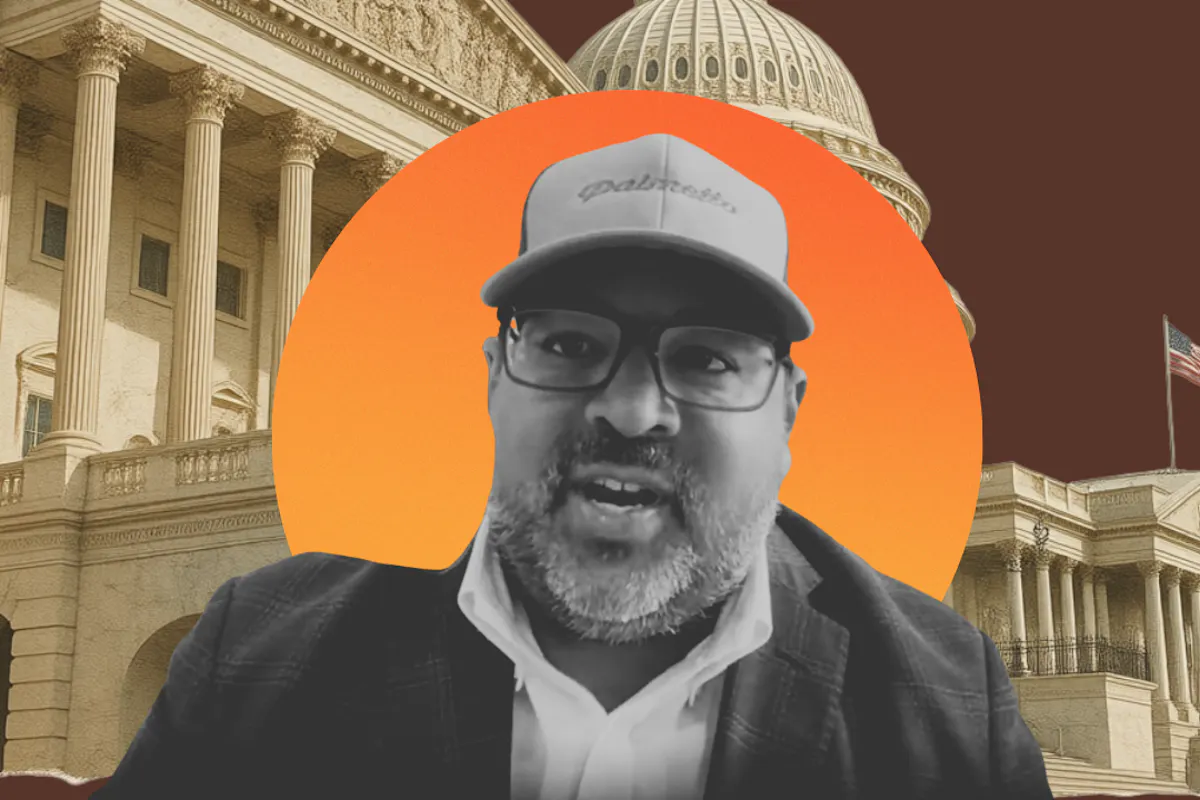
Neil Chatterjee, Palmetto’s Chief Governmental Affairs Officer, recently sat down with Palmetto’s comms team to look ahead at some of the biggest energy and policy trends and events in 2026. Here’s what he said.
Watch the full remarks or read the highlights below.
On foreign policy and energy
We woke up to it early in the New Year with the news that the United States of America had successfully apprehended Nicholas Maduro in Venezuela. The US engagement in Venezuela appears to be very much centered around energy policy.
The rhetoric and focus in the early days has obviously been about oil and gas, Venezuela's critical minerals in addition to oil and gas, and what it would mean to resuscitate their infrastructure and how that could benefit the US. There hasn't been as much focus on Venezuela's electricity infrastructure. You want to extract oil and gas, you need power. There needs to be more focus on the state of Venezuela's grid and what needs to be done to provide the necessary power to take advantage of the potential opportunities.
“’m also looking at the potential for a peace deal in Europe and what that might mean for energy policy. I've discussed what Europe's dependence on Russian gas has meant for them economically and geopolitically. If there is a peace deal in Europe, could that alter some of the energy and gas politics? If the price of gas goes up is that an opportunity for other sources of energy? If the price of gas goes down, what does that potentially mean for alternative sources of energy? Could they pick up market share or could they get squeezed out?
On whether permitting reform happen
Federal legislative permitting reform is absolutely necessary to answer some of the energy challenges that we have today. We saw some good progress towards the end of the year with the House of Representatives passing a permitting reform bill. There had been some bipartisan interest by US senators to take up that house bill.
That got derailed a little bit when the administration cancelled a number of previously approved offshore wind projects that really threw a wrench into negotiations around legislative permitting reform. I'm hopeful that we can get to a decent place there.
On whether there will be another reconciliation bill
Last year was the year of the OBBBA, the One Big Beautiful Bill Act, which was enacted via the procedural tool, budget reconciliation.
There has been some talk of potentially doing another budget reconciliation vehicle in 2026 that would be Republican only. I'm not sure the political will is there or that there's that big of a need when it comes to energy. Maybe they do something in regards to healthcare or other policy via reconciliation. But permitting reform is going to be the big focus.
On FERC implementing large load directive from the DOE
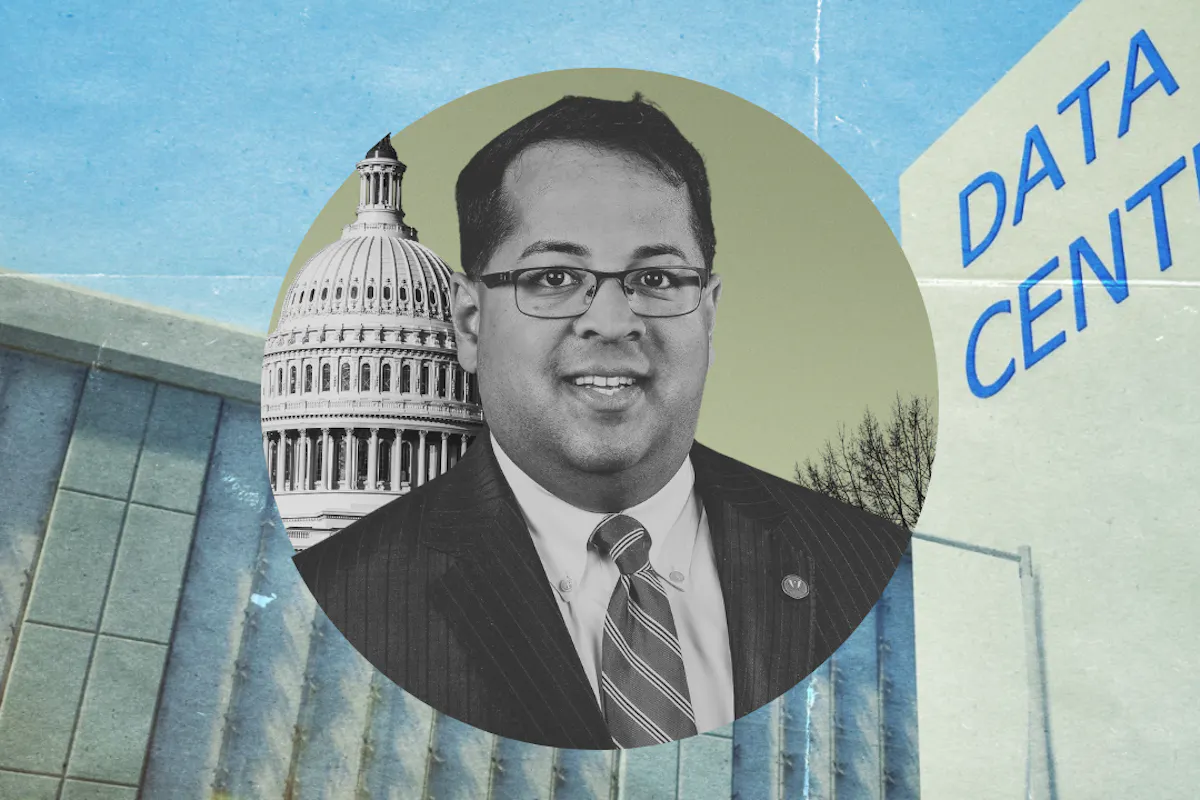
My former agency, the Federal Energy Regulatory Commission, is at the epicenter of one of the biggest policy issues in this space in 2026: how they handle this Department of Energy directive regarding the process for large load interconnection. How do we provide power to these big data centers for AI, but also for an increasingly electrified society?
It could be really really transformative and be a very consequential rule making. If thoughtfully done, it provides a huge opportunity, particularly for those of us who care about flexible resources and demand side resources.
This was a very thoughtful proposal from DOE and FERC — while this isn't going to be easy — is handling it in a very thorough and expert manner. It's going to be something that I'm going to be keeping close tabs on throughout 2026.