Air Conditioner Repair and Troubleshooting: What to Check Before Calling a Tech
Last edited
Author
Andrew Blok
Electrification and Solar Writer and Editor
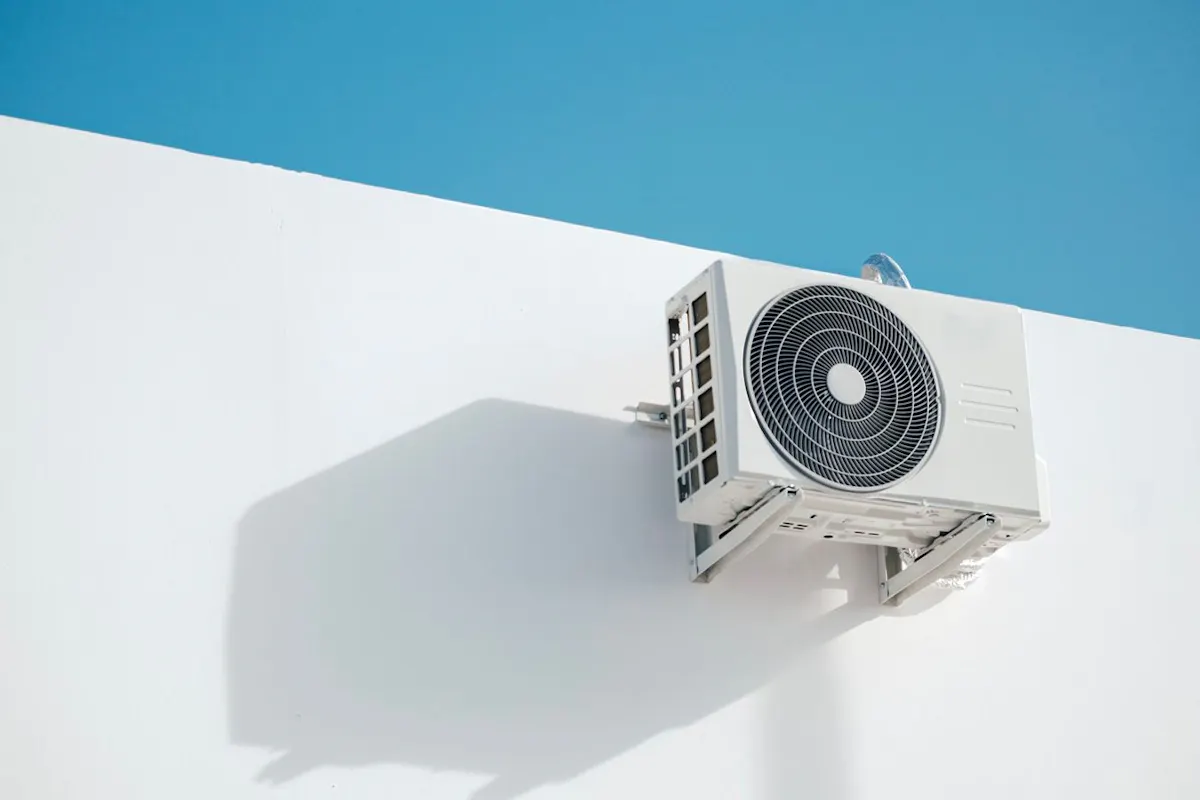
Your air conditioner is running, but the house isn't cooling down. Or maybe it won't turn on at all or cycles off after a few minutes. Before you schedule a service visit, there are several things you can check yourself — many of them quick, free, and often effective.
This guide covers the most common AC problems and what you can do at home to fix them. Always remember to stay within the limits of your ability and what’s safe. Don’t hesitate to call in a pro when necessary.
See how much you can save with a new HVAC system from Palmetto
Common air conditioner problems
Most AC complaints fall into a handful of categories. Here's what they look like and what tends to cause them.
AC won't turn on
The unit is unresponsive. This is often electrical — a tripped breaker, a blown fuse, or a thermostat that's lost power.
AC is running but not cooling the house
The system runs but the air isn't cold, or the house never reaches the set temperature. Causes range from a dirty filter to low refrigerant to a blocked outdoor unit.
AC is short-cycling
Short-cycling is when the system turns on, runs for a minute or two, shuts off, then repeats. It's hard on the compressor and usually signals a dirty filter, a thermostat problem, or an oversized system.
AC is making unusual noises
Rattling, grinding, squealing, or banging aren't normal. They often point to a loose part, a failing motor, or a problem with the compressor — the component that circulates refrigerant through the system.
AC is leaking water
A small amount of condensation is normal. Pooling water near your indoor unit usually means a clogged condensate drain line — the pipe that carries moisture out of the unit.
AC airflow is weak
If air from your vents is barely moving, the system may be working but not delivering air effectively. Dirty filters and blocked vents are the most common culprits.
See how much you can save with a new HVAC system from Palmetto
Troubleshooting your air conditioner's performance
Work through these checks before calling a technician.
Check and replace the air filter
A clogged air filter is the most common cause of AC problems — and the easiest fix. When the filter is too dirty, airflow drops, the system strains, and cooling suffers. A severely clogged filter can also cause the evaporator coil (the indoor coil that gets cold) to freeze up, which stops cooling almost entirely.
Check your filter every 30 days during heavy-use months and replace it at least every one to three months or as recommended by your AC’s manufacturer.
Read more: How and Why to Change Your HVAC Filters
Check the thermostat settings
Thermostats get bumped. Make sure yours is set to "cool" with the temperature below the current indoor reading. Check the batteries too — a low battery can cause erratic behavior or prevent the system from responding. If your thermostat is near a sunny window or a lamp, it may misread room temperature and cause short-cycling.
Read more: The Recommended Thermostat Setting for Each Season
Check the circuit breaker
Go to your electrical panel and look for a breaker in the middle position or switched to “off.”
Reset it by pushing fully to "off," then back to "on." If it trips again immediately, stop. Repeated tripping signals an underlying electrical problem that needs a licensed technician, not another reset.
Clear the area around the outdoor unit
The outdoor unit releases heat from your home into the outside air. If it doesn’t have adequate airflow, it can't do that effectively. Keep at least two feet of clearance around it and gently rinse the fins with a garden hose to remove dirt. Don’t use a pressure washer or anything that could bend the delicate fins.
See how much you can save with a new HVAC system from Palmetto
Clear and clean the condensate drain line
Your AC removes humidity from indoor air, and that moisture drains out through a condensate line — usually a PVC pipe near your outdoor unit or a floor drain. If the line clogs with algae or debris, water backs up and overflows the drain pan.
To clear it, pour a cup of distilled white vinegar or another approved cleaner into the access port near your indoor unit (look for a T-shaped fitting on the drain line), then flush with water. Some systems have a float switch that shuts the unit off when the pan fills — so a clogged drain line can look like an AC that simply won't run.
Check your vents
Check that supply vents (the ones that blow air out) are open and unobstructed — furniture, rugs, and curtains are common blockers. Return vents (the larger grilles that pull air back to the system) should be clear too.
Let a frozen coil thaw
If the system is running but barely cooling and you notice ice on the refrigerant lines near your indoor unit, the evaporator coil has frozen. This usually comes from restricted airflow (often a dirty filter) or low refrigerant.
Switch the system off or to "fan only" and let it thaw completely — this takes a few hours. Replace the filter. Restart and monitor. If it freezes again, call a technician.
| Problem | What to try |
|---|---|
| AC won't turn on | Check the circuit breaker and reset if tripped. Check thermostat settings and replace batteries. Check whether a float switch has tripped due to a clogged condensate drain line. |
| AC is running but not cooling the house | Replace the air filter. Clear the area around the outdoor unit. Check vents for blockages. Let a frozen coil thaw, then replace the filter and restart. |
| AC is short-cycling | Check thermostat settings and move it away from heat sources. Replace the air filter. If it continues, call a technician — refrigerant or compressor issues may be involved. |
| AC is making unusual noises | Turn the unit off. Rattling may mean debris in the unit; grinding or screeching usually signal a failing motor or compressor. Call a technician. |
| AC is leaking water | Clear the condensate drain line using distilled white vinegar and water. Check the drain pan for overflow. |
| AC airflow is weak | Replace the air filter. Check that all supply and return vents are open and unobstructed. |
When to stop and call a professional
Some problems are beyond what a homeowner should attempt, either because they require specialized tools, carry real safety risks, or are restricted by law.
Refrigerant issues: Handling refrigerant requires EPA Section 608 certification. You’ll need a certified technician to find the leak, repair it, and recharge the system.
Electrical problems beyond a tripped breaker: Anything wrong with the unit's electrical components should trigger a call to a licensed technician.
Mechanical sounds from the compressor or fan motors: Grinding, screeching, or clanging usually means something is failing. Turn the unit off and call for service — running the system through a mechanical failure often turns a repair into a replacement.
Frequent repairs on an aging unit: There are a few rules of thumb for when replacement is better than repair. One says that once the cost of the repair times your system’s age in years exceeds $5,000, it’s time to replace (though rising costs may be making this guidance obsolete). A technician can help you decide.
Solve your maintenance headaches with HVAC leasing
If your AC needs constant attention, it's worth knowing there's another approach.
HVAC leases, like Palmetto's Comfort Plan, swaps the upfront cost and the responsibility of repair and maintenance for a predictable monthly payment that covers the cost of the system, installation, maintenance, and repairs. For homeowners who'd rather not manage maintenance schedules or absorb unpredictable repair costs, it's worth understanding.
Explore the fit for your home by requesting a quote today.
See how much you can save with a new HVAC system from Palmetto
Frequently asked questions
Why is my AC running but not cooling the house?
The most common reasons are a clogged filter, a dirty or blocked outdoor unit, a frozen evaporator coil, or low refrigerant. Start with the filter and the outdoor unit. If those don't help, you may have a refrigerant issue that requires a certified technician.
What does it mean when my AC keeps turning on and off?
This is called short-cycling and can be caused by a dirty filter, a thermostat problem, or low refrigerant. Check the filter and thermostat settings first. If it continues, call a technician — repeated short-cycling stresses the compressor and shortens the system's life.
Can I add refrigerant to my AC myself?
No. EPA Section 608 of the Clean Air Act requires certification to handle refrigerants in residential HVAC systems. Low refrigerant also means there's a leak that has to be found and repaired — adding more without fixing the source won't solve anything.
How often should I service my air conditioner?
Most HVAC professionals recommend a professional tune-up once a year, ideally in spring before cooling season. Between visits, keep the filter clean and the outdoor unit clear of debris.
Disclaimer: This content is for educational purposes only. Palmetto does not provide tax, legal, or accounting advice. Please consult your own tax, legal, and accounting advisors.


