Electric baseboard heater not working? Here's what to check
Last edited
Author
Andrew Blok
Electrification and Solar Writer and Editor
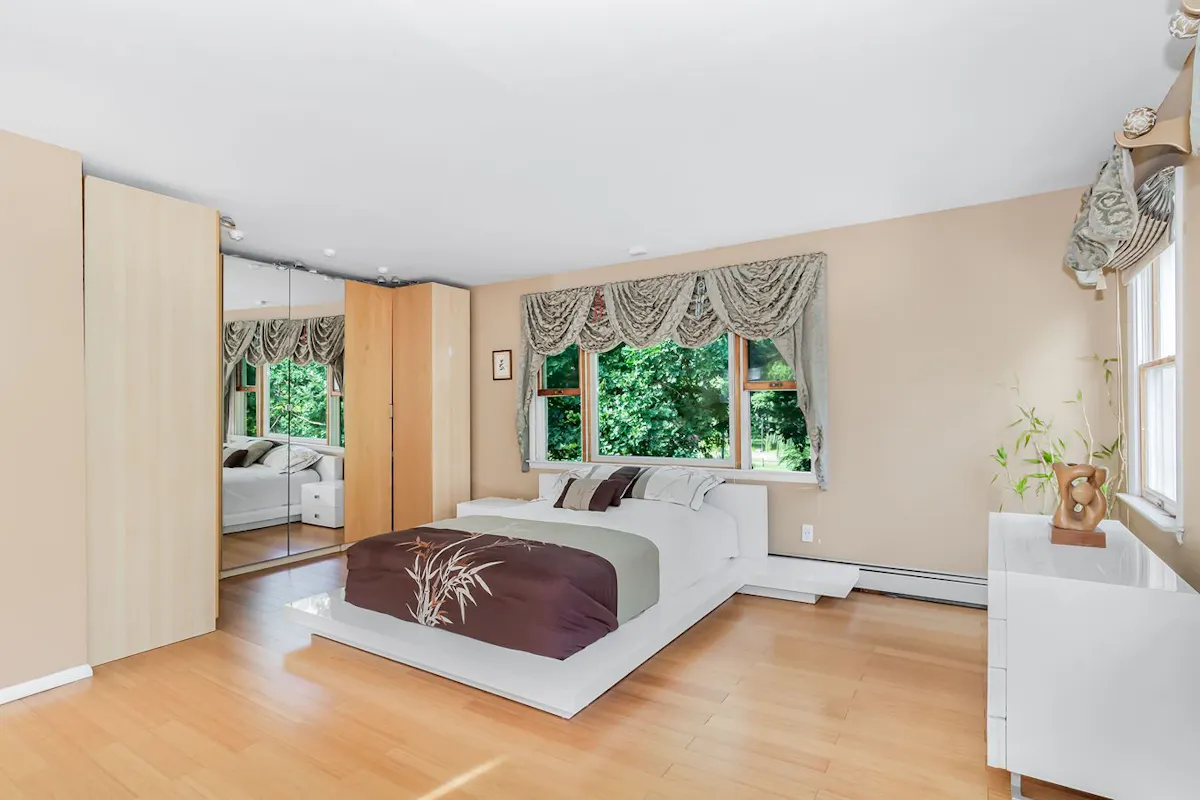
Electric baseboard heaters have no ducts, no furnace, no moving parts, which makes them durable, but harder to diagnose when something goes wrong.
If you're looking for what’s wrong with your electric baseboard heater, here are the common problems and what you can do yourself. Most importantly, we’ll cover how to decide whether repair makes sense or whether it's worth looking at a more efficient option.
See how much you can save with a new HVAC system from Palmetto
Common problems with electric baseboard heaters
A few common problems have simple solutions. Some have more involved fixes.
The heater won't turn on
Start at your electrical panel. A tripped breaker is the most common culprit. Reset it by switching it fully off, then back on. If it trips again immediately, stop. That indicates a wiring issue for a licensed electrician. Also check your thermostat and replace the batteries if it's battery-powered. Make sure the thermostat is set above the current room reading.
The heater doesn't produce much heat
When dust builds up on the heating element, heat output drops. Turn the heater off, let it cool, and vacuum the interior with a brush attachment. Avoid compressed air, which can push debris further in.
Also check that furniture, curtains, or rugs in front of the heater aren’t restricting airflow, which can reduce heat output and be a fire hazard.
Unusual sounds or smells
Clicking and popping as the unit warms up or cools down is normal. Persistent buzzing or rattling can indicate a loose element or a failing thermostat. A burning smell that doesn't clear within a few minutes is a reason to turn the heater off and call an electrician.
The heater cycles on and off frequently
The thermostat is likely misreading room temperature. This can happen when it's positioned where the temperature differs from the rest of the room: in direct sunlight or in a drafty spot, for example.
A failing thermostat can cause the same behavior. Replacing one is a manageable DIY project for someone comfortable with basic electrical work, but when in doubt, hire a pro.
The heater works in some rooms but not others
Each baseboard heater is typically on its own circuit. If one room's heater is out while others work fine, check that circuit's breaker. Also check whether that heater has its own built-in thermostat that may have been turned down.
| Problem | What to check first | When to call a pro |
|---|---|---|
| Heater won't turn on | Tripped breaker; thermostat settings and batteries | Breaker trips again immediately after reset |
| Heater runs but produces little heat | Dust on the element; blocked airflow from furniture or rugs | No improvement after cleaning and clearing |
| Unusual sounds or burning smell | Clicking/popping on startup is normal; check for debris near the unit | Persistent buzzing, rattling, or a burning smell that won't clear |
| Heater cycles on and off frequently | Thermostat location (direct sunlight, drafts, nearby lamps) | Continues after thermostat is repositioned or replaced |
| One room's heater is out | Breaker for that circuit; built-in thermostat turned down | Breaker is fine and thermostat is set correctly |
See how much you can save with a new HVAC system from Palmetto
How long do electric baseboard heaters last?
Typically 15 to 25 years. With no motors or fans, there's little to wear out. The most common failure points are the thermostat and wiring connections, both of which are replaceable.
Age still matters, though. An older heater running constantly or requiring repeated repairs is doing its job at a higher cost than it used to. Electric resistance heating, which electric baseboard heaters use, converts electricity to heat at a 1:1 ratio. That's reliable, but it's one of the more expensive ways to heat a home electrically. A degraded heater makes that cost worse.
Replacing an electric baseboard heater
A single electric baseboard heater unit typically costs $40 to $650 depending on size and heating power, with the total installed cost generally ranging from $200 to $1,100 per unit for a straightforward replacement. Costs vary by region, the heater’s size, and how much electrical work is involved. Replacing one system with the same system, just with new equipment, is generally simpler, quicker, and cheaper.
But if you're already pulling out an old unit, it's worth considering what goes back in its place. A heat pump can deliver two to four times as much heating energy per unit of electricity. That reduced energy use shows up on your utility bill every heating season.
A mini-split heat pump is a commonsense upgrade for homes with baseboard heat. It doesn’t require ductwork (like baseboard heating), heats and cools from the same unit, and operates quietly. The upfront cost is higher than swapping in another baseboard heater, but the cost of heating your home will almost certainly be lower.
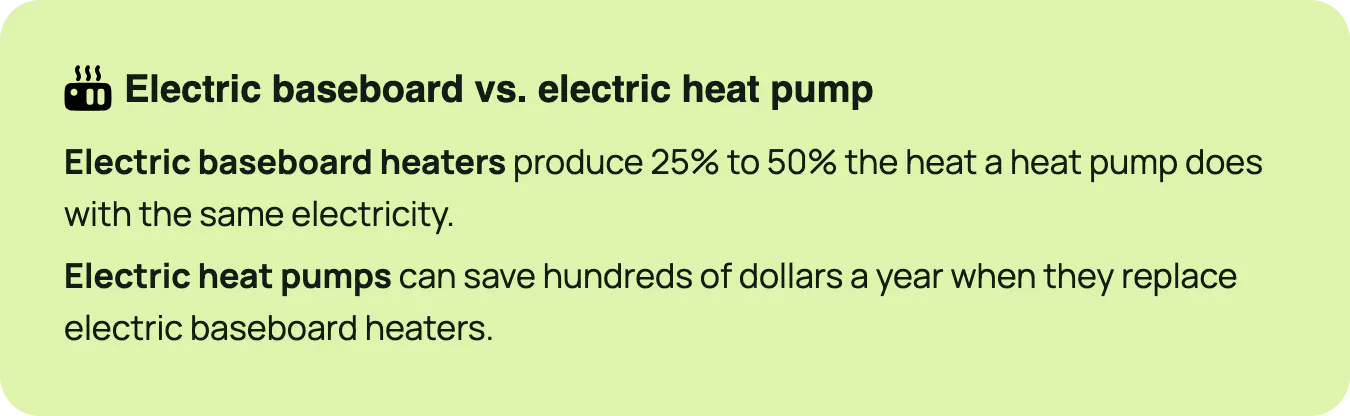
According to the Department of Energy.
If you'd rather not manage equipment costs, installations, or repair surprises, Palmetto's Comfort Plan covers the cost of a new heat pump system, professional installation, and ongoing maintenance and repairs. You skip the upfront cost for a predictable monthly payment. Talk to a Palmetto advisor to see how a new HVAC system (heat pump or otherwise) can benefit your home, or get a quote today.
See how much you can save with a new HVAC system from Palmetto
Frequently asked questions
Why is my electric baseboard heater not heating?
The most common reasons are a tripped breaker, a thermostat set too low or with dead batteries, or dust buildup on the heating element. Check the breaker and thermostat first, then clean the unit. If it still won't heat, the heater or thermostat may need replacement.
Can I repair an electric baseboard heater myself?
Some repairs are manageable, like cleaning the unit, replacing the thermostat, or resetting a breaker. Anything involving wiring inside the heater or the wall should be handled by a licensed electrician.
How do I reset an electric baseboard heater?
The reset is usually at your electrical panel. Switch the breaker for that circuit fully off, then back on. Some units also have a built-in switch that trips if the heater overheats. Look for a small button, often red, near the heating element. Let the heater cool, then press the button to reset.
Is it cheaper to repair or replace an electric baseboard heater?
Baseboard heater units are inexpensive to replace, so if a unit is failing, replacement can make more sense than repair. The more useful question is whether to replace with another baseboard heater or upgrade to a more efficient option like a heat pump, especially if heating costs have been high.
How do I know if my baseboard heater thermostat is bad?
A heater that won't turn on with the thermostat turned up, runs constantly without reaching temperature, or short-cycles (turns on and off in short bursts) may have a failing thermostat. A quick test: turn the thermostat well above room temperature and listen for the element to click on. If it doesn't respond consistently, the thermostat may need replacement.
Disclaimer: This content is for educational purposes only. Palmetto does not provide tax, legal, or accounting advice. Please consult your own tax, legal, and accounting advisors.