Home energy audit: find and eliminate energy waste
Last edited
Author
Andrew Blok
Electrification and Solar Writer and Editor
Editor
Andrew Giermak
Solar and Electrification Writer and Editor
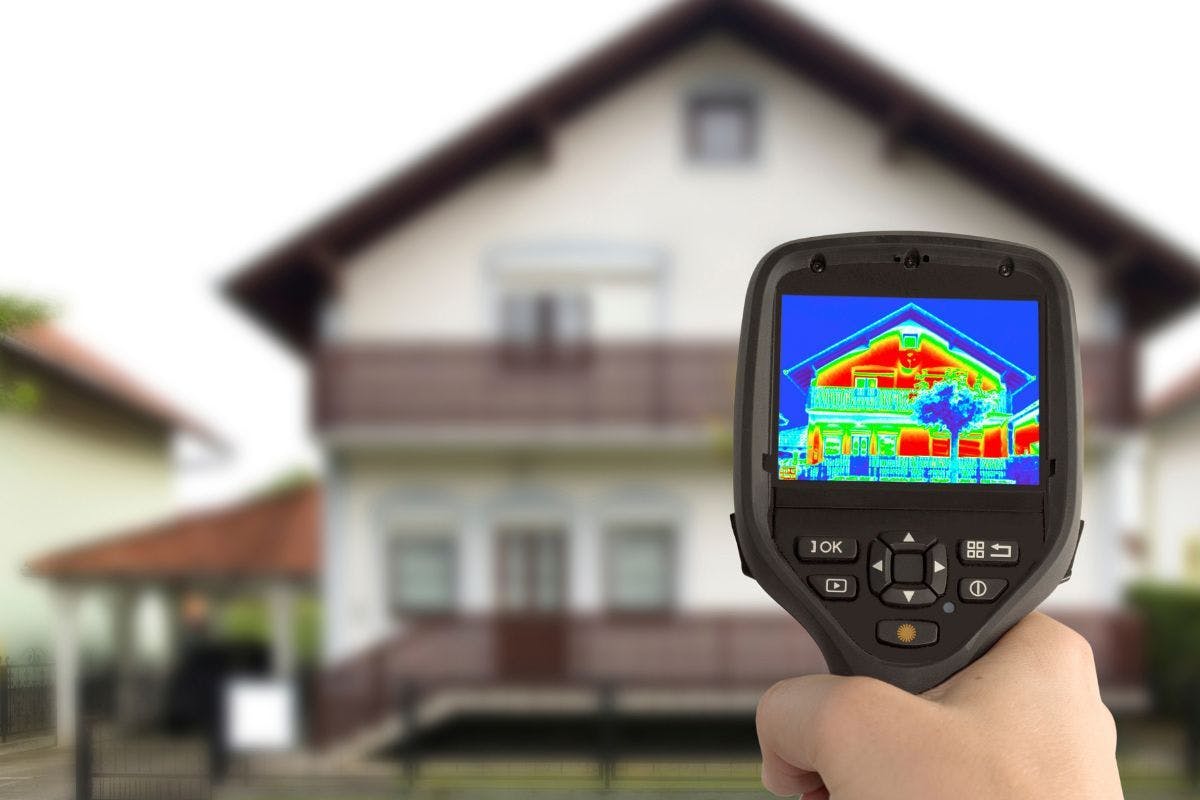
High utility bills can feel like a mystery, but a home energy audit pinpointing exactly where your home leaks energy (and money!) is the first step toward real savings.
Here’s how an energy audit works, what it costs, and how the results can help you lower your energy bills and make your home significantly more comfortable.
See how much you can save with home energy changes
What is an energy audit?
An energy audit is an assessment of the energy efficiency of a home or other building. They’re focused on rooting out where energy is being wasted.
An estimated 52% of energy used in US homes is for heating and cooling, while the remaining amount is used for other appliances, electronics, lighting, and water heating. Energy auditors inspect your home's insulation, appliance efficiency, air leakage, and more.
The benefits can be undeniable: Improving the efficiency of your home can reduce your utility costs and make your home more comfortable and sustainable.
Benefits of an energy audit
The key benefit of an energy audit is better efficiency and lower energy bills.
Energy audits identify where your energy consumption can be reduced, like old windows that leak air and make your heat pump, air conditioner, or furnace work harder than necessary.
In addition to possible energy savings, these audits can also help with reducing the risk of more significant issues related to poor ventilation, like mold.
What happens in an energy audit?
An energy auditor performs a series of inspections and tests to find the energy inefficiencies of your home. An audit’s specifics can vary based on the provider.
Components of an energy audit
Several important components and tests are included in most energy audits.
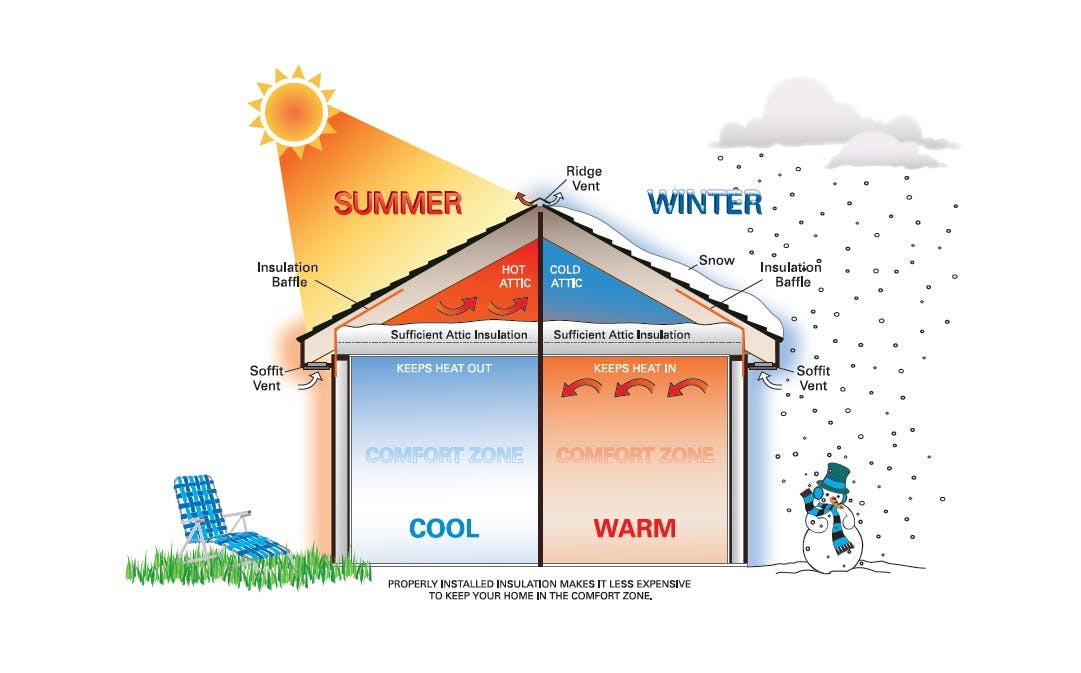
- Insulation check: An auditor will examine the insulation levels in the walls, basements, and attics.
- Blower door test: This measures air leaks and drafts in the home and identifies areas that need to be sealed.
- Thermographic scanning: This scan effectively identifies whether heat is lost through the walls, doors, or windows.
- HVAC system: This involves inspecting the heating and cooling systems, including the ductwork.
- Lighting evaluation: Checking for old incandescent lights that can be changed to highly-efficient LED bulbs .
- Appliances check: Ensuring your appliances are working correctly and everything meets energy efficiency standards.
- Utility bill review: An auditor can review your utility bills to identify patterns that indicate unusually high energy usage.
See how much you can save with home energy changes
Results of an energy audit
Once the energy audit is complete, you will receive personalized recommendations that will help improve the efficiency of your home.
- Air sealing and insulation: Insulation upgrades can make a big difference in the building's overall efficiency. Additionally, sealing air gaps can help maximize your insulation’s effectiveness.
- Appliance upgrades: If your appliances are outdated, upgrading to energy-efficient models can save energy. Light bulbs and fixture replacements can also help reduce energy usage.
- Window and door replacement: Replacing the windows and doors on older homes can have an undeniable impact on energy efficiency, albeit at a relatively high cost.
- HVAC system: Maintenance can make your current HVAC system run more efficiently. Or, it might be recommended to replace the entire system if it’s old.
- Energy saving habits: Adjusting your habits can add up to energy savings. For example, you might install a smart thermostat and adjust the settings to change the temperature when you are away at work during the day.
- Renewable energy: Consider installing solar panels to reduce bills by supplying your own power.
You’ll receive a detailed report summarizing the audit findings. An experienced energy auditor can discuss the cost-benefit analysis of implementing the recommended changes. You can use that information to decide how you want to move forward with your home upgrades.
How much does an energy audit cost?
Typical energy audit cost ranges from $100-$500 on average, depending on the size of your home and the complexity of the testing.
In some areas, your utility provider might offer free or discounted audits. These free services may not be as comprehensive as the services offered by an energy auditor.
Are there incentives for energy audits?
In some areas, state and local governments offer rebates or incentives for both the audits and energy-efficient upgrades recommended as a result of the audit.
Credit: Energy Star
DIY energy audits
While hiring a professional will get you the most comprehensive results, you can conduct a DIY home energy audit on your own.
- Check for drafts around the doors and windows.
- Inspect insulation to look for gaps that need to be filled.
- Monitor energy usage using smart plugs or a home energy monitor.
- Use thermometers or thermal cameras to identify temperature imbalances in the home.
- Install weatherstripping and caulk cracks around the windows.
- Replace old light bulbs with LED bulbs.
For more information, check out our guide to creating an energy efficient house, room by room.
Are you ready to learn more about saving energy in your home? Start by exploring Palmetto’s Energy Advisor, which can help you find ways to make your home more energy efficient.
See what home electrification can do for you:
Energy audit FAQs
Is a home energy audit worth the cost?
Yes, a home energy audit can be worth it, especially when it identifies cost effective ways to reduce your energy consumption and make your home more comfortable.
How do I prepare for a home energy audit?
When the energy auditor comes to your home, make sure they have access to the attic, basement, and crawl spaces. Additionally, have recent utility bills available for them to review.
Are energy audits expensive?
Energy audits are affordable, usually ranging between $100 and $500. Check with local utility providers to see if they offer basic audits for free or conduct one on your own.
Disclaimer: This content is for educational purposes only. Palmetto does not provide tax, legal, or accounting advice. Please consult your own tax, legal, and accounting advisors.


