Heat pump cost: purchase, installation, and operation
Last edited
Author
Andrew Blok
Electrification and Solar Writer and Editor
Editor
Andrew Giermak
Solar and Electrification Writer and Editor
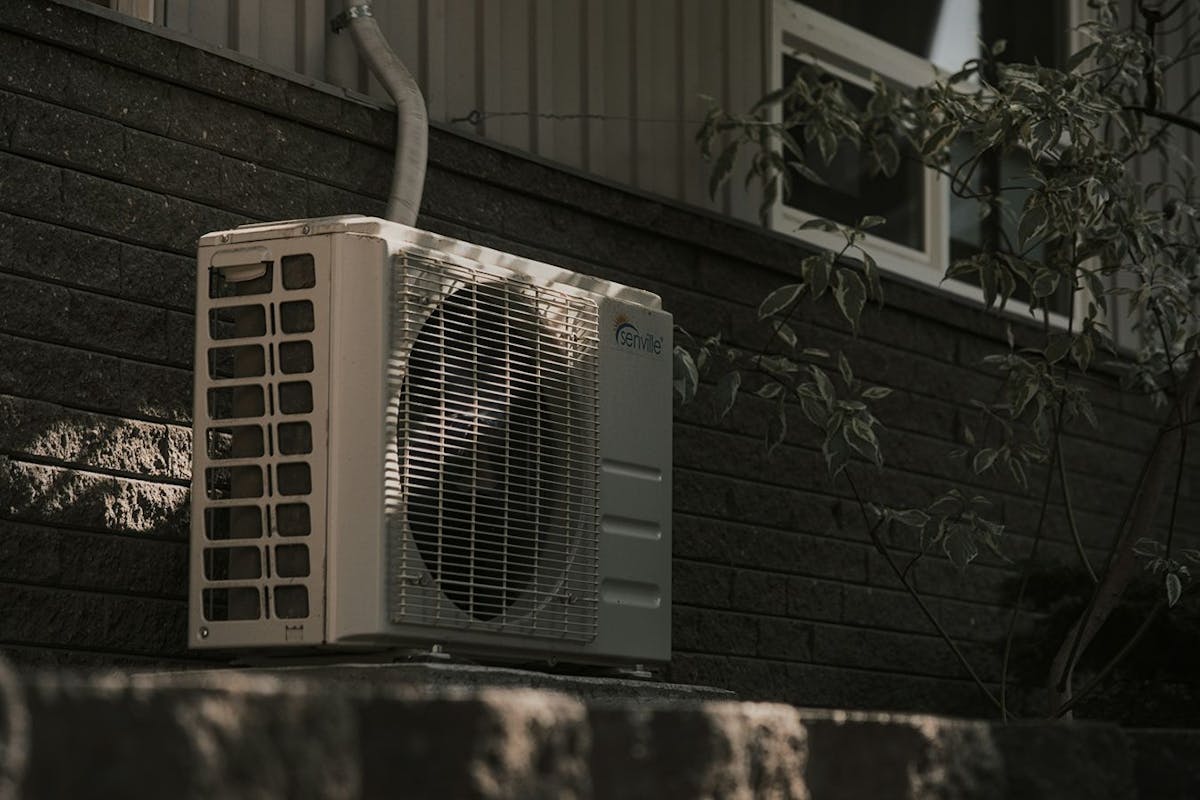
A heat pump offers an all-in-one solution for heating and cooling your home with exceptional efficiency. Both of these benefits can mean savings on monthly energy bills and in the long run.
Looking at a heat pump’s cost is a more complicated question than seeing an upfront purchase price. You should also understand the operating and installation costs, as well as the implications of buying or leasing a heat pump. Here’s what you need to know.
Purchasing a heat pump
Heat pumps work by moving heat into or out of your home, kind of like a reversible air conditioner or refrigerator. That two-way ability means you could use a heat pump to replace your AC and your furnace.
But, what does the versatile heat pump cost? It's an obvious question without an obvious answer.
The upfront cost of a heat pump will be affected by system size, system efficiency, and any incentives you can claim. Partnering with the right experts can ensure you get a heat pump that performs well in all weather at the right price.
| System type | Typical installed range | Wider range you may see |
|---|---|---|
| Central ducted air-source (existing ducts) | $8,000 – $15,000 | $4,500 – $20,000+ |
| Ductless mini-split, per zone | $2,000 – $5,000 | $1,200 – $7,000 |
| Ductless, whole-home multi-zone | $10,000 – $25,000 | higher for many zones |
| Geothermal (ground-source) | $15,000 – $30,000 | up to $50,000 |
These ranges come from our survey of online consumer resources. The actual installation cost for a heat pump at your home may vary.
Heat pump operating cost
The other major cost associated with heat pumps is the cost to heat and cool your home year round. Like installation costs, what you’ll pay to heat and cool your home will vary based on a lot of factors: your electricity rate, the size of your home, how well your home is sealed, your preferred thermostat setting, and whether you keep your air filters clean.
Still, a 2024 analysis by the Department of Energy showed that a huge number of homes stood to reduce their energy bills by switching to a properly sized, climate-appropriate heat pump.
According to reports by the Department of Energy, homes in Arizona saved about $300 a year going to a heat pump. Homes in Michigan – with a much longer, tougher heating season – saved up to about $1,500 a year. According to Rewiring America, the average US household would save about $370 a year with higher than average savings when switching from propane, fuel oil, or older electric resistance or furnace heating to a new heat pump.
When a heat pump replaces a furnace of any kind in a home that doesn’t already have an air conditioner, summertime bills will be higher, just like they would be with the addition of an air conditioner.
Leasing a heat pump
If the upfront costs of a heat pump give you pause, a heat pump lease, like Palmetto’s Comfort Plan, could be a useful path forward. For no money down, you get a new heat pump with maintenance covered for a predictable monthly payment. Heat pump lease payments can vary for all the reasons purchase and installation costs do. (One distinction is that lease payments may have an escalator, a set percentage by which the monthly payment increases every 12 months. Make sure you understand yours before signing up.)
Leasing a heat pump instead of buying one won’t necessarily save you money. But included maintenance can save you stress and expensive breakdowns. And, in situations where you can significantly lower your energy bills with a heat pump, leasing can make the technology more accessible.
If you’d like to learn what a heat pump would cost at your home, you need to get quotes for one. Get a quote from Palmetto or read more about heat pumps in our heat pump guide.
See how much you can save with a new HVAC system from Palmetto
Frequently asked questions
Can I estimate the total savings of a heat pump’s lifespan?
The Federal Emergency Management Program calculated possible savings of over $5,000 over a span of 15 years with a new Energy Star-certified heat pump depending on region, climate, efficiency, and annual energy usage. Actual savings will vary, depending especially on what heating source you’re switching from.
What should I do ahead of having a heat pump installed?
Before a heat pump installation, you can help an installation team by having the indoor space where an interior unit will go (often an attic, utility room, or basement) cleared and easy to get to and work in, and have the outdoor space where the exterior unit will go cleared of debris and vegetation.
Can I install a heat pump myself?
In the vast majority of cases, unless you are a licensed contractor and electrician, installing a heat pump is not a DIY job. You need a licensed professional for legal, safety, and warranty reasons. Installing a heat pump, along with the electrical and construction work, requires specialized training, specific tools, and following laws and codes.
Disclaimer: This content is for educational purposes only. Palmetto does not provide tax, legal, or accounting advice. Please consult your own tax, legal, and accounting advisors.


