Insulating Hot Water Pipes and Water Heater for Better Efficiency
Last edited
Author
Andrew Blok
Electrification and Solar Writer and Editor
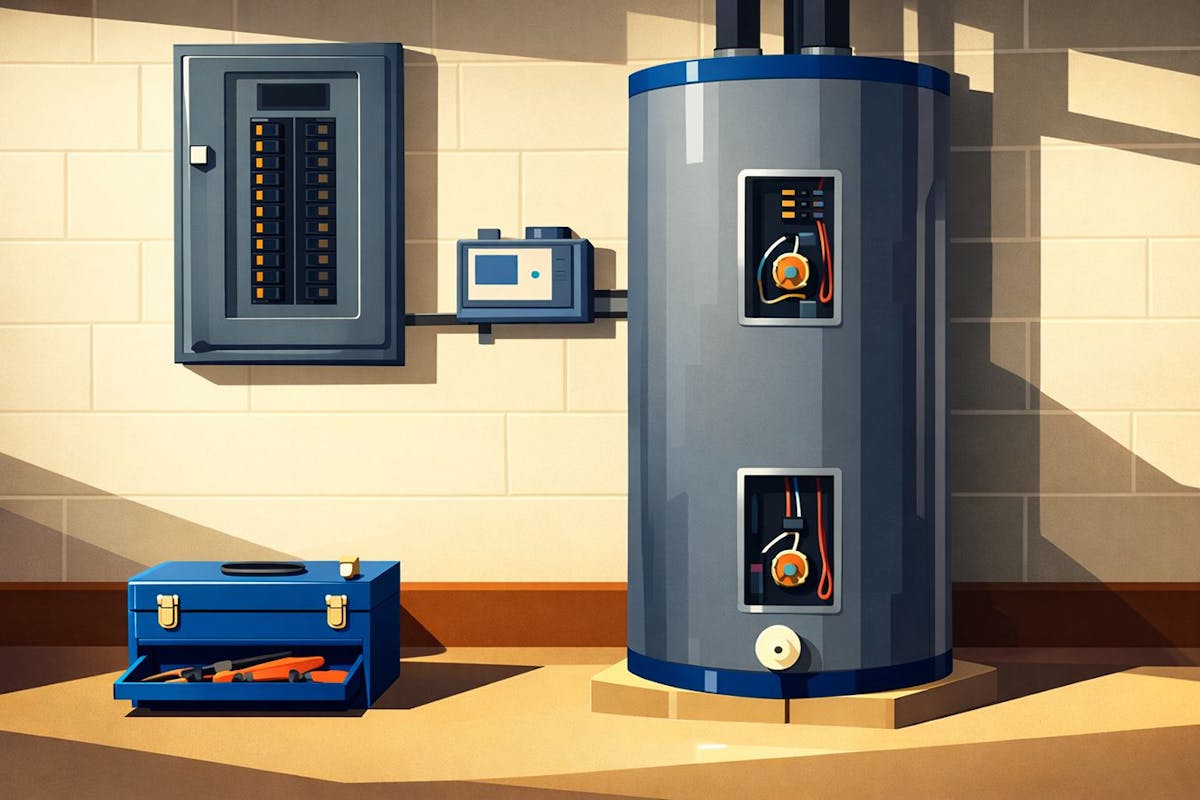
Water heating is the second-largest energy expense in the average American home, accounting for about 18% of your energy consumption. While many people focus on major appliance upgrades, two easy and cost-effective ways to cut energy waste are often overlooked: insulating your hot water pipes and your water heater tank.
Here’s how these simple, low-cost modifications can help you save money and improve your home’s efficiency.
See what home electrification can do for you:
Insulating hot water pipes
When hot water leaves your tank, it travels through pipes that are often located in unconditioned spaces like crawlspaces, basements, or exterior walls. Without insulation, these pipes act as radiators, bleeding heat into the surrounding air before the water even reaches your faucet. Adding insulation slows that heat loss and makes your home more efficient.
The benefits
Temperature retention: Insulation can raise the water temperature at the faucet by 2-4 degrees Fahrenheit compared to uninsulated pipes, according to the US Department of Energy. This allows you to lower your water heater’s primary temperature setting without sacrificing comfort.
Reduced wait time: Because the water remaining in the pipes stays warm longer between uses, you waste less water waiting for the shower to get hot.
Energy savings: According to the DOE, insulating your hot water pipes can save you approximately 3% to 4% annually on water heating costs.
For maximum efficiency, prioritize insulating the first few feet of pipe leaving the water heater, as well as any pipes running through cold areas.
Water heater blankets
Even when you aren't using water, your heater is working. Standby heat loss occurs when heat escapes through the walls of the water heater tank into the cooler surrounding air, forcing the unit to work harder to maintain the set temperature.
Specially designed, insulated water heater blankets can help slow that heat loss.
The benefits
Reduced standby loss: An insulating blanket keeps more heat from escaping the tank. This is especially effective for older tanks or those located in cold garages or basements.
Significant ROI: The DOE notes that insulating a tank can reduce standby heat losses by 25% to 45%.
Cost savings: This reduction in heat loss translates to a 7% to 16% savings on annual water heating costs, according to the DOE. With the average blanket costing between $20 and $40, the upgrade can pay for itself within a year.
See what home electrification can do for you:
Implementation and safety
Before beginning, determine if your unit actually needs a blanket. Most modern water heaters are manufactured with high levels of internal insulation. A simple touch test is effective: if the outside of your tank feels warm to the touch, it’s probably worthwhile throwing a blanket on it. If you don’t trust the touch test, the DOE suggests your tank should have an R-value of at least 24.
Before you go out and buy a blanket or insulation, check with your utility to see if they offer discounted or free equipment or installation. Some utilities provide small home improvements free of charge as part of energy efficiency programs.
The DOE also says that blankets aren’t typically needed for gas water heaters, since most heat loss occurs not through the tank but through the flue.
It may go without saying, but tankless water heaters, which eliminate standby heat loss by not storing water at all, aren’t candidates for water heater blankets.
You should also check your local codes to make sure water heater blankets are allowed.
| Feature | Pipe Insulation | Tank Blanket |
|---|---|---|
| Material | Foam sleeves or fiberglass wrap | Foil-faced fiberglass or denim |
| Estimated Cost | $10 - $15 (total) | $20 - $45 |
| Annual Savings | ~3% - 4% | ~7% - 16% |
| Difficulty | Typically low (DIY-friendly) | Typically low to medium |
Annual savings estimated by the Department of Energy. Actual savings will vary.
Does insulating your water heater and hot water pipes pay off?
Pipe insulation and a water heater blanket can realistically reduce a household’s water heating energy consumption and costs. According to DOE estimates, you could eliminate 10-20% of your water heating costs. These small, low-cost modifications can provide a high return on investment.
To learn more about how your home uses energy, download the Palmetto app today and see what you could save with home energy upgrades.
See what home electrification can do for you:
Frequently asked questions
Is insulating your water heater dangerous?
Improper installation of a water heater blanket — especially on a gas water heater — could create dangerous conditions. Follow the manufacturer’s recommendation for insulating water heaters, or get professional advice if you’re uncertain about the project’s safety.
Can insulating your water heater save you money?
Yes. Both water heater blankets and insulation for hot water pipes are low cost projects that can quickly pay for themselves. Savings will vary and may be modest, but the DOE suggests the project could pay for itself in one year.
Disclaimer: This content is for educational purposes only. Palmetto does not provide tax, legal, or accounting advice. Please consult your own tax, legal, and accounting advisors.