Solar panels for apartments: what renters can actually do
Last edited
Author
Andrew Blok
Electrification and Solar Writer and Editor

Renters know the traditional path to solar — buying panels, mounting them to your roof — isn't available to you. But that doesn't mean solar is completely out of reach.
Renters have a few real options, along with some straightforward ways to cut energy costs that don't require solar at all.
See what home electrification can do for you:
Solar panels for apartments
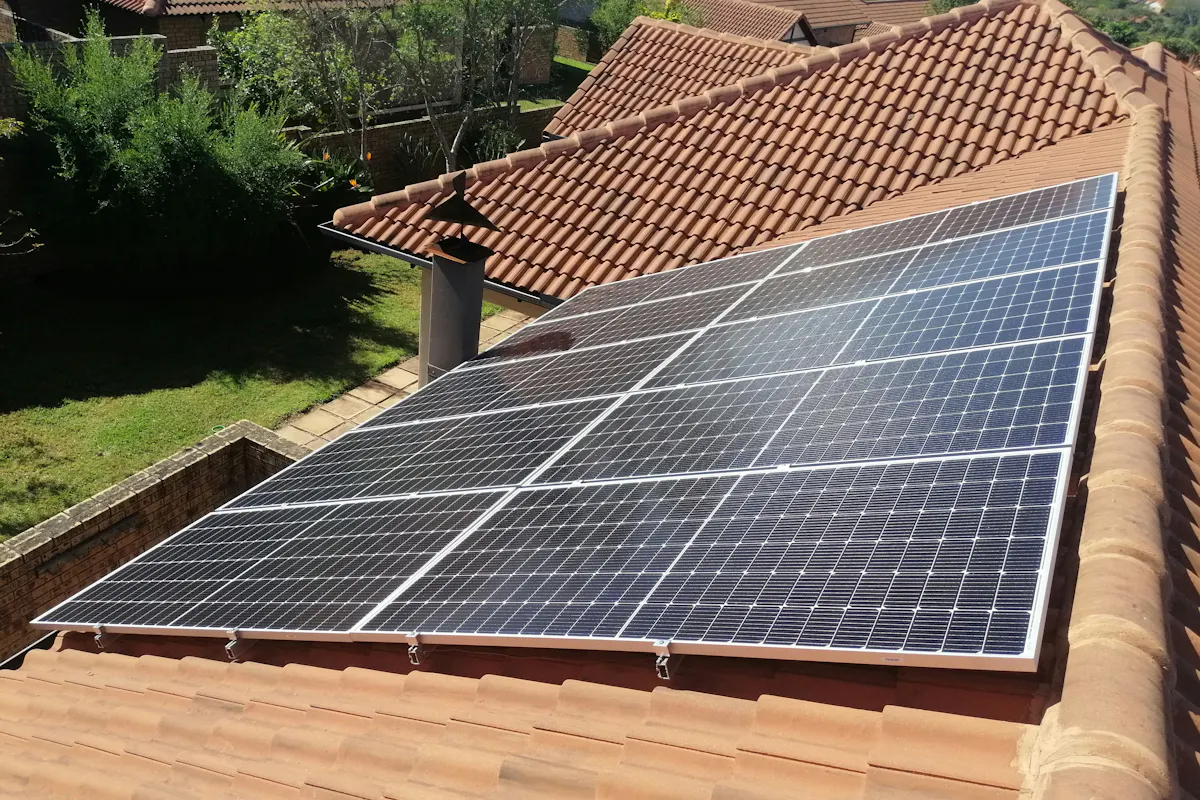
To install rooftop panels on your rental, you'd need the building owner's permission. Even then, you'd be funding an upgrade to property you don't own and can't take with you.
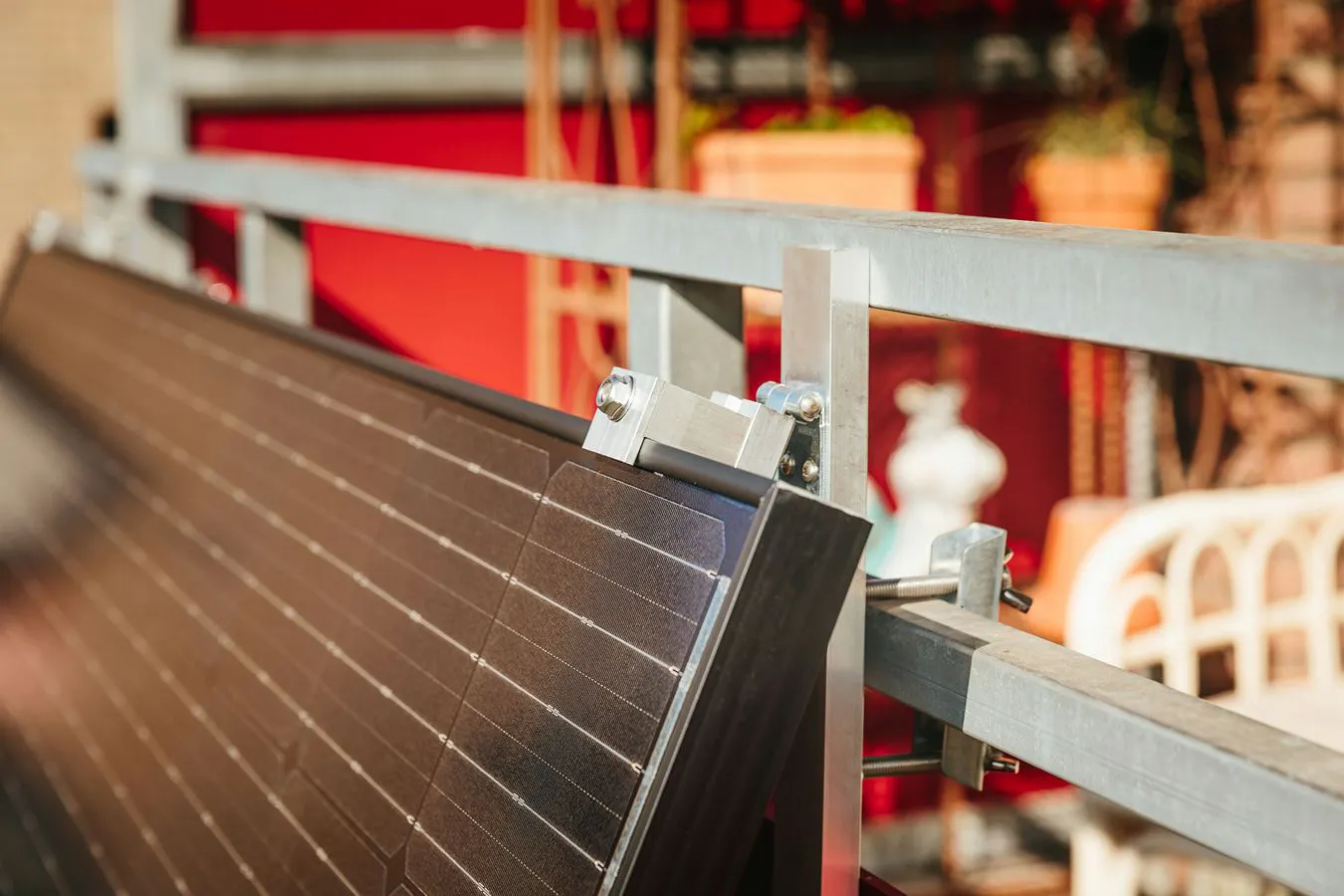
Plug-in solar panels, sometimes called balcony solar panels, are small, portable systems of typically one to three panels that attach to a balcony railing, patio, or outdoor space. Because they plug directly into a standard wall outlet, no contractor or building modifications are needed. When you move, you take the system with you.
The U.S. legal landscape is still catching up to this technology. Some states have passed laws clarifying the rules surrounding plug-in solar and others have taken steps in that direction. The result is a patchwork of regulations with a lot of confusing gray areas. Check your state's current rules and review your lease before purchasing.
A typical 800-watt system might offset 15–25% of an average apartment's monthly electricity use, depending on sun exposure. Upfront cost generally runs up to $1,500 with payback periods of several years. It's a meaningful dent, but not a way to eliminate your electricity bill.
Community solar
For renters who want more impact and no equipment, community solar is worth a look.
Community solar is essentially a subscription service to a solar farm in your area. The farm sends electricity to the grid, and subscribers receive credits on their utility bills.
Subscribers typically see savings of around 5–10% on electricity costs, though this varies by program. Most programs allow cancellation if you move, and some let you transfer within the same utility area. EnergySage's community solar marketplace lets you search by zip code and compare local options.
See what home electrification can do for you:
Other ways to lower your energy bill as a renter
Reduce standby energy waste. Many devices draw power even when you're not using them. Called vampire energy, it can be a real cost. Unplugging devices when not in use or using smart power strips can add up over time.
Use smart plugs. A smart plug lets you schedule devices to power off automatically and monitor actual energy use, making it easier to find where your bill is going.
Seal air leaks. Weatherstripping around doors and windows is inexpensive and typically doesn't require landlord approval. Drafty apartments lose more conditioned air than most people realize.
Adjust your thermostat habits. Adjusting to an energy-saving thermostat setting, especially when you're away, can make a real difference.
Shift when you use electricity. If your utility charges peak and off-peak rates, running appliances like your dishwasher and laundry during off-peak hours can lower your bill without reducing how much electricity you use.
| Balcony solar | Community solar | Efficiency changes | |
|---|---|---|---|
| Upfront cost | $250-$1000 | Often none | Depends on project ($10-$100) |
| Equipment required | Plug-in solar kit | None | Depends on project (weatherstripping, LED lightbulbs, etc. |
| Can it move with you? | Yes | Depends on the service area. | Some (e.g. LED light bulbs) |
| Availability | Laws vary by state | Limited capacity | Everywhere |
See what home electrification can do for you:
Frequently asked questions
Can I get solar panels in an apartment?
Standard rooftop solar typically isn't an option for renters, since it requires building owner approval and investment in property you don't own. Plug-in solar panels are increasingly available across more states. Community solar is another path that requires no equipment at all.
What's the best way to lower energy bills in an apartment?
Community solar (where available) can deliver consistent savings with no upfront equipment cost. Beyond that, weatherstripping air leaks, cutting standby power waste, and adjusting thermostat habits are among the most practical steps renters can take.
What is community solar and how does it work for renters?
Community solar lets you subscribe to a share of a local solar farm. The farm sends electricity to the grid, and you receive credits on your utility bill for your portion. Check any program’s cancellation policy, in case you need to move.
Do plug-in solar panels work in apartments?
They can, if you have outdoor space with decent sun exposure and your state allows it. Some states have explicitly legalized these systems, but others haven't. Check your state's current rules and your lease before buying.
What happens to my community solar subscription if I move? It depends on the program. Many allow penalty-free cancellation. Some let you transfer your subscription if you stay within the same utility territory. Review the contract terms before signing up.
Disclaimer: This content is for educational purposes only. Palmetto does not provide tax, legal, or accounting advice. Please consult your own tax, legal, and accounting advisors.