Why Getting a New Roof is the Perfect Time to Go Solar
Last edited
Author
Andrew Blok
Electrification and Solar Writer and Editor
Editor
Andrew Giermak
Solar and Electrification Writer and Editor
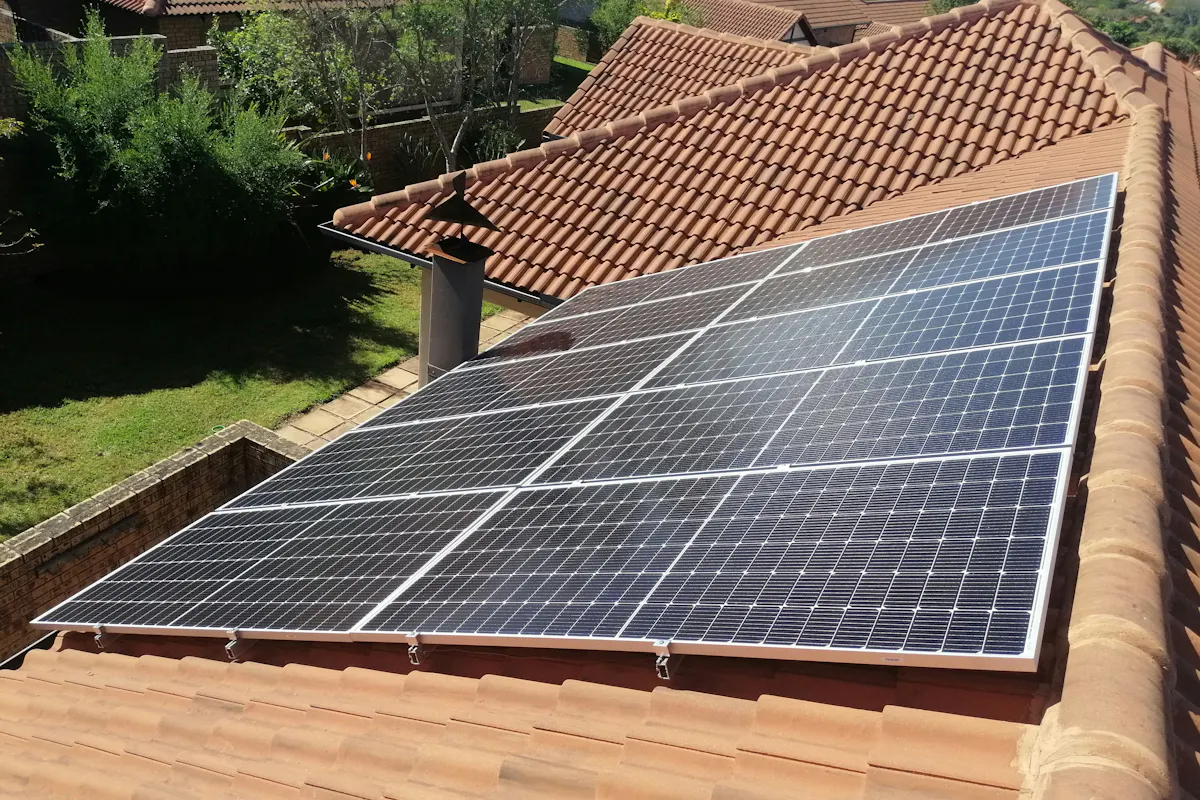
Considering a new roof and home solar? You're looking at two major projects, but combining them could be the smartest move you make this decade. Installing new home solar panels while replacing your roof isn't just convenient — it could deliver the best long-term value for the lifetime of your panels.
By choosing home solar power, you unlock clean, cheap, and independent energy. Pairing that with a roof replacement is often the most strategic way to maximize the benefits of both significant investments.
See how much you can save by going solar with Palmetto
Benefits of installing solar panels when replacing your roof
If you get a new roof and solar at the same time, you could enjoy the following benefits.
Single point of contact
In cases where the same company can manage both projects, you can have one company do the job.
Combined financing
If you’re financing your projects with a loan, you may be able to do so with a single loan and avoid multiple sets of loan fees, which can reduce your overall costs.
Combined permitting
Much like combined financing, hiring a single point of contact could streamline the permitting process.
Simplified timeline
When you approach the installation of solar panels and roof replacement as a single project, it’s easier to make plans, have more organized insight, and shorten the overall timeline.
Increased durability
Solar panels can last more than 25 years. Putting panels on a new roof reduces the likelihood of needing to replace it before the panels are ready to come down. If you need to replace your roof, you’ll need to first remove the solar panels, which adds an extra step and extra cost to your roofing project.
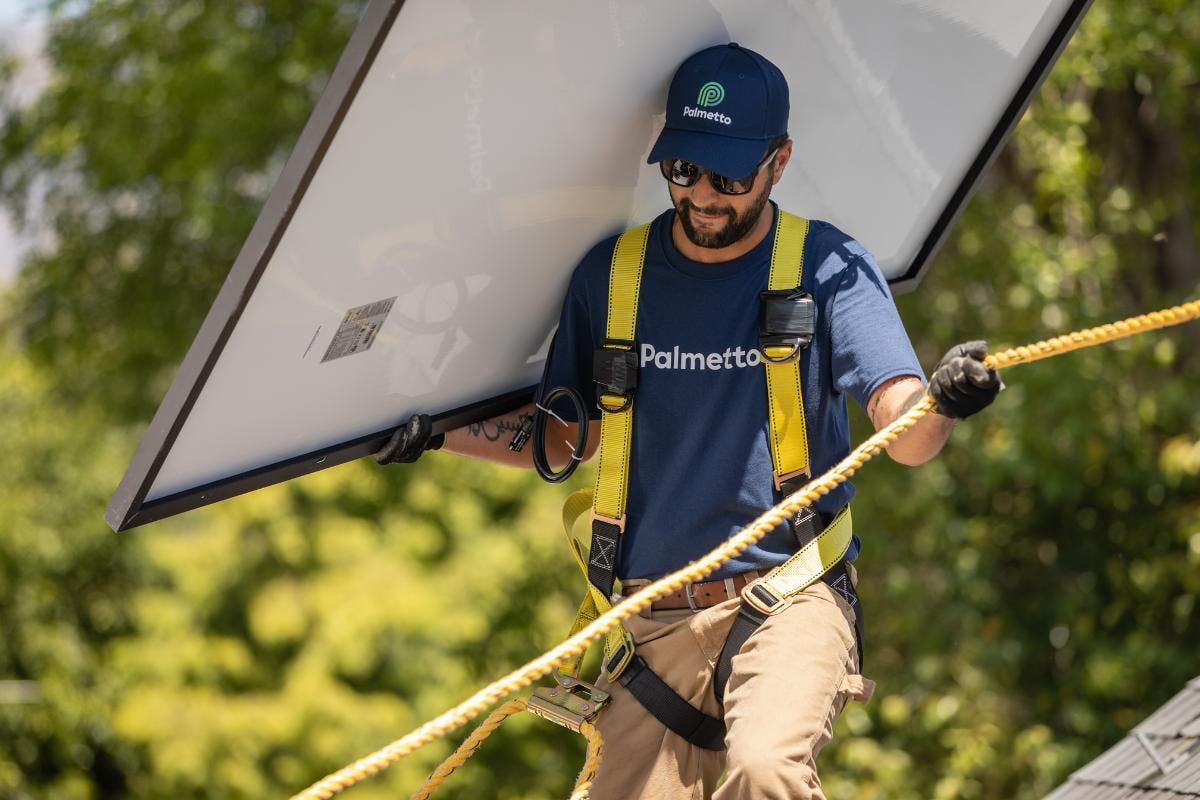
The actual cost of removing and reinstalling panels varies by system size and location, but you can expect the cost to start around $5,000.
Roof compatibility
Not all roofing designs and materials are compatible with solar panels. Pairing the jobs ensures compatible rooftop materials will be used.
Improved home value
When you replace your roof and add solar panels, it typically raises your home's property value. A new roof can increase your home's resale value by more than $17,000 per the national average. Zillow reports solar increases home sale values by 4.1% nationally, with a median premium of an additional $9,274 for homes sold with solar panels already installed.
See how much you can save by going solar with Palmetto
What if I need a new roof after I go solar?
If you’ve put up solar panels and then need a new roof, you will need to have the panels and system components removed, have the roof work done, and then have the solar system reinstalled. A professional will have to do the removal and reinstallation. This will add cost and time to the roof project.
Reasons you might need a new roof
According to the National Lab of the Rockies (formerly known as the National Renewable Energy Laboratory), over 2.8 million homes per year need a new roof. While a roof can last 20 years or more, the following signs are indicators that yours needs replacing.
- Broken or loose tiles/shingles: You can usually spot broken or detached shingles.
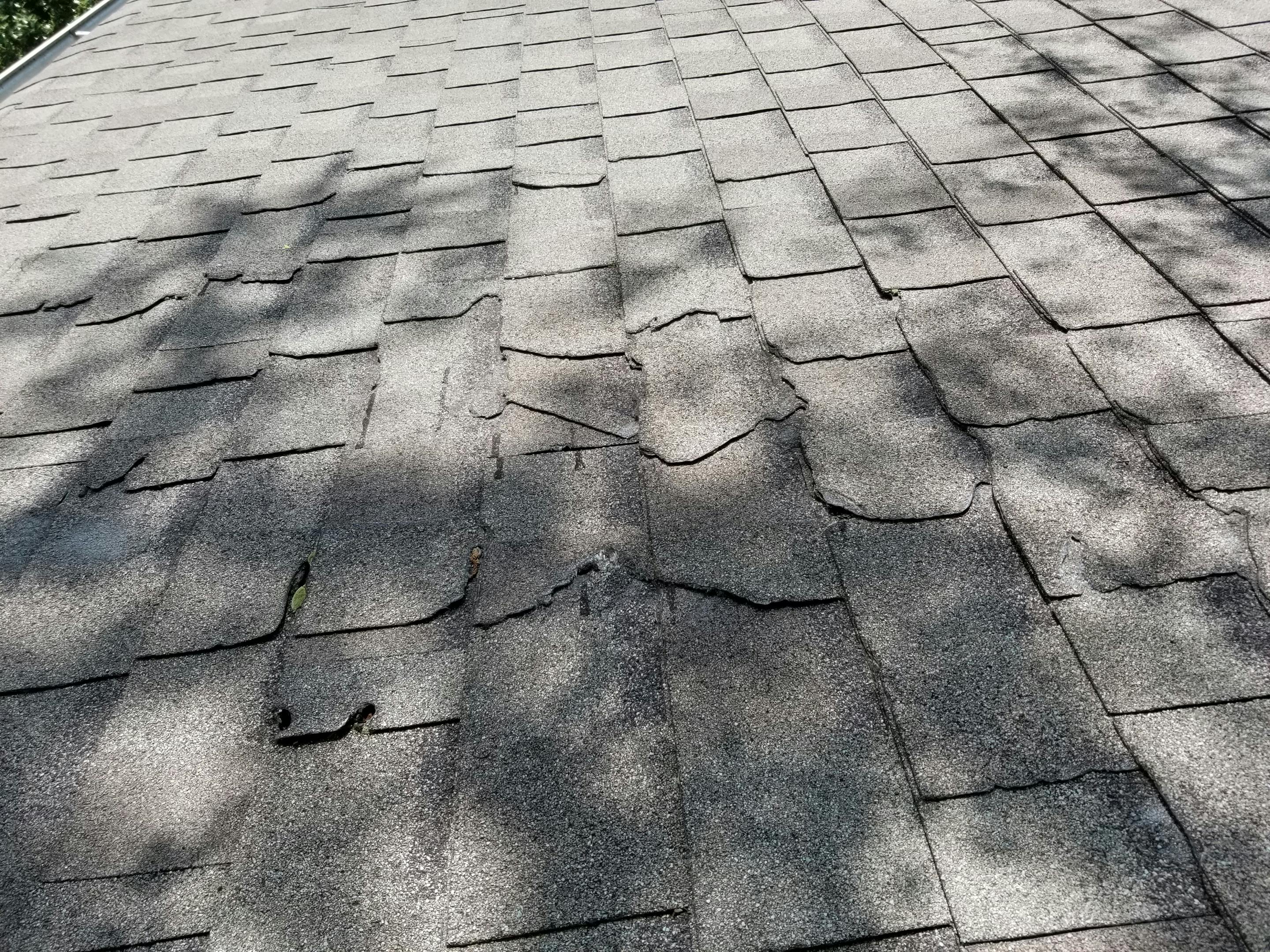
- Worn-out materials: You may notice issues like worn tiles, rusting, shingle granules, and bare shingles.
- Water damage: Inspect your roof for torn underlayment, worn-out sealants, broken tiles, and similar problems.
- Cracks and punctures: Falling objects, like tree branches, are the leading cause of cracks and punctures to tiles and underlayment.
- Stagnant water: If your roof's flashing and gutters are damaged, they may not remove water efficiently.
- Structural damage: Failure to repair damaged roofing can result in additional damage to your home’s structure that may become hazardous.
Roof replacement steps
Typically, the process of replacing your roof takes about 2-3 weeks, although factors such as weather, roof characteristics, and home layout can extend that timeline. Here’s how a typical shingle roof replacement might go.
- Contract: The roofing company will have you sign a contract for the work that will be performed.
- Home preparation: A professional roofing service will protect your home by covering your siding and landscaping with a tarp or similar material.
- Removal of old shingles: In most cases, the contractor will remove every shingle (including those in good shape) to inspect your roof's base.
- Plywood inspection: The roofers will examine the plywood that forms your roof's base to locate and repair any damage or insecure attachments.
- Shingle preparation: Roof protection is crucial. While tactics may vary from company to company, they may install things like water and ice protection, a drip edge, and roofing felt.
- Shingle application: Your new roof material goes onto your home.
- Application of flashing and ridge vent: If necessary, the technicians will apply flashing and ridge vents to direct water away from certain areas and allow air to escape without letting water in.
- Cleanup and inspection: Professional roofers will always clean up after a project is finished, including a final inspection that ensures the work was completed to the homeowner’s satisfaction.
Never delay a necessary roof replacement
If your roof is damaged, there are several reasons you shouldn't delay replacing it using the services of a vetted, insured, and licensed roofing company.
- Element exposure: Degrading roof shingles can expose your roof structures to things like moisture, heat, pests, and mold. These elements may eventually find their way into your home and cause additional damage.
- Personal safety: Leaving a roof in disrepair can lead to safety and health risks.
- Reduced home value: Nobody wants to pay high prices for damaged property, so an aging roof can decrease home value.
Source: Wiki Commons
Rooftop solar panels installation timeline
The actual process of installing solar panels on the roof (excluding everything else) typically takes less than two days, but everything before and after can stretch weeks. Here’s a look at the steps involved in a typical solar power installation.
- Initial estimate: Start by getting a free solar quote to see how much you can save.
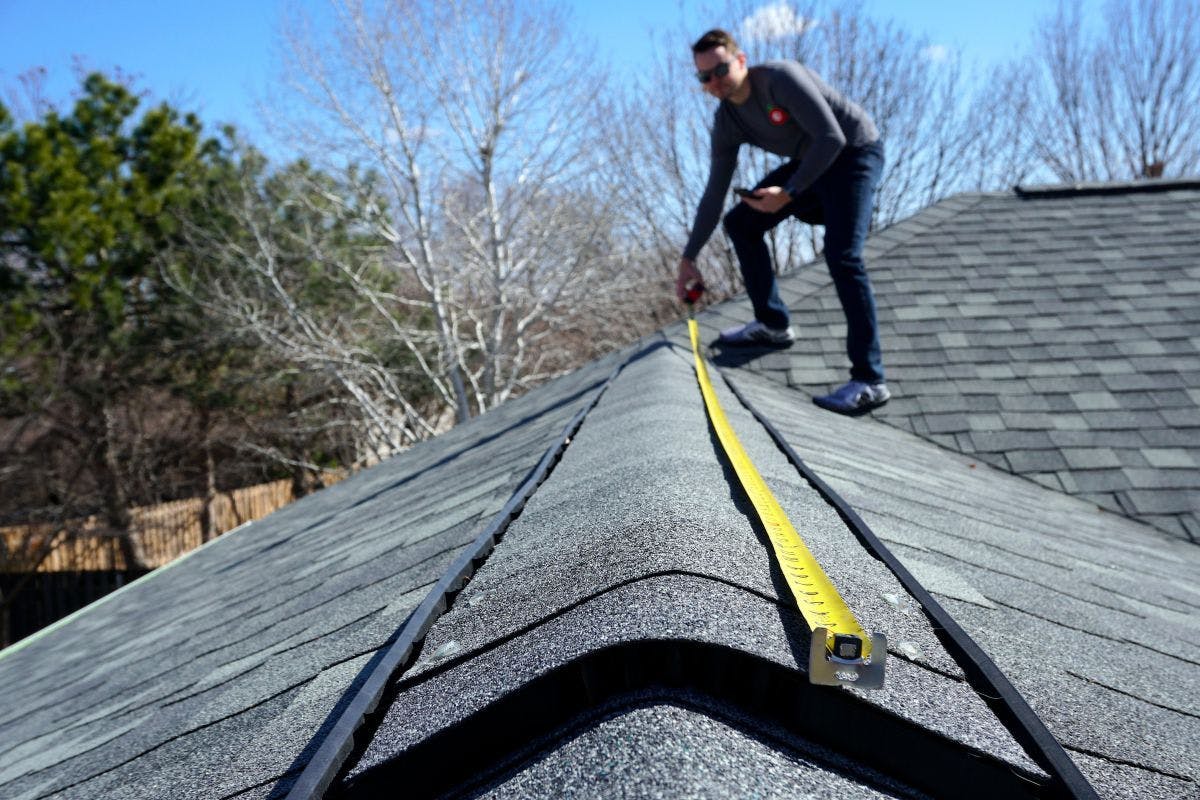
- Site assessment: Your installer will assess your home to check the roof direction, review any shading, and take measurements. Expect this step to take 1-2 weeks.
- Design: Based on the assessment details and your roof complexity, an installer will design your solar system specifically for your home. This includes optimizing the system size and creating professional site plans ready for building code approval.
- Permitting: The installer will get the required permits. It can take 2-8 weeks to complete this step, depending on the permitting offices’ speed.
- Installation: In most cases, installation takes less than two days, including installing the mounting hardware, placing solar panels on your roof, and wiring the system so it connects to your home.
- Inspections: Your county or city will conduct a final review before the utility grid approves the installation. Most inspections occur within 1-4 weeks.
- Utility interconnection: Within 1-6 weeks, the utility will connect you to the grid, install a bi-directional meter to track your energy production, and provide the official permission to operate documentation that means you’re approved to turn your new solar power system on and start generating electricity.
Roofing and solar panels lifetime expectancies
Roofing materials and solar equipment are designed to last for decades. By having both projects completed in one fell swoop, you may save money with a streamlined installation both now and 25-30 years down the road when your next dual-replacement is advised.
While most premium residential solar panels sold today are warrantied for 25 years of efficient energy production, the expected lifetime of your roof will depend on the materials installed. The most common roofing material in the US is asphalt shingling, which is generally expected to last 15-30 years, depending on the quality of the materials.
Many alternative roofing materials are designed to last much longer than asphalt shingles. Although long-lasting materials usually cost more, the benefits of a longer lasting roof may be worth it.
In the chart below, you can see the expected lifespans of the most common roofing materials in the US as outlined by the International Association of Certified Home Inspectors.
| Roofing Material | Expected Lifespan (Years) |
|---|---|
| Asphalt (architectural) | 30 |
| Asphalt Shingles (3-tab) | 20 |
| BUR (built-up roofing) | 30 |
| Clay/Concrete | 100+ |
| Coal Tar | 30 |
| Copper | 70+ |
| EPDM Rubber | 15 to 25 |
| Fiber Cement | 25 |
| Metal | 40 to 80 |
| Simulated Slate | 10 to 35 |
| Slate | 60 to 150 |
| Wood | 25 |
Source: International Association of Certified Home Inspectors
Are solar shingles worth it?
Solar shingles are building-integrated photovoltaics (BIPV) that incorporate solar energy generation in roofing materials. In other words, solar shingles are both solar panel and roofing shingle.
Although there are pros and cons to installing solar shingles, the main appeal of the technology is the shingles look good, protect your home, and generate electricity. In most cases, the technology is worth it financially only when your roof also needs to be replaced. With that in mind, solar shingles can be the right choice for you in the right circumstances.
When talking to your solar advisor about solar shingles, it’s important to measure your project costs and expected payback period compared to a solar panel system to determine which will be better for your home and budget. Traditional solar panels and roofing materials are typically cheaper and easier to adopt than solar shingle systems.
Roof solar panels alternative: ground-mounted systems
If you’re partway through your roof’s lifespan and a rooftop solar panel installation simply doesn’t make financial or logistical sense, a ground-mounted solar installation may be a workable alternative.
Ground-mounted solar systems are most common for larger projects such as community solar farms. For homeowners, ground-mounted systems are usually more expensive thanks to the ground-mounting equipment, trenching, and additional wiring necessary to bring the power from the panels to home.
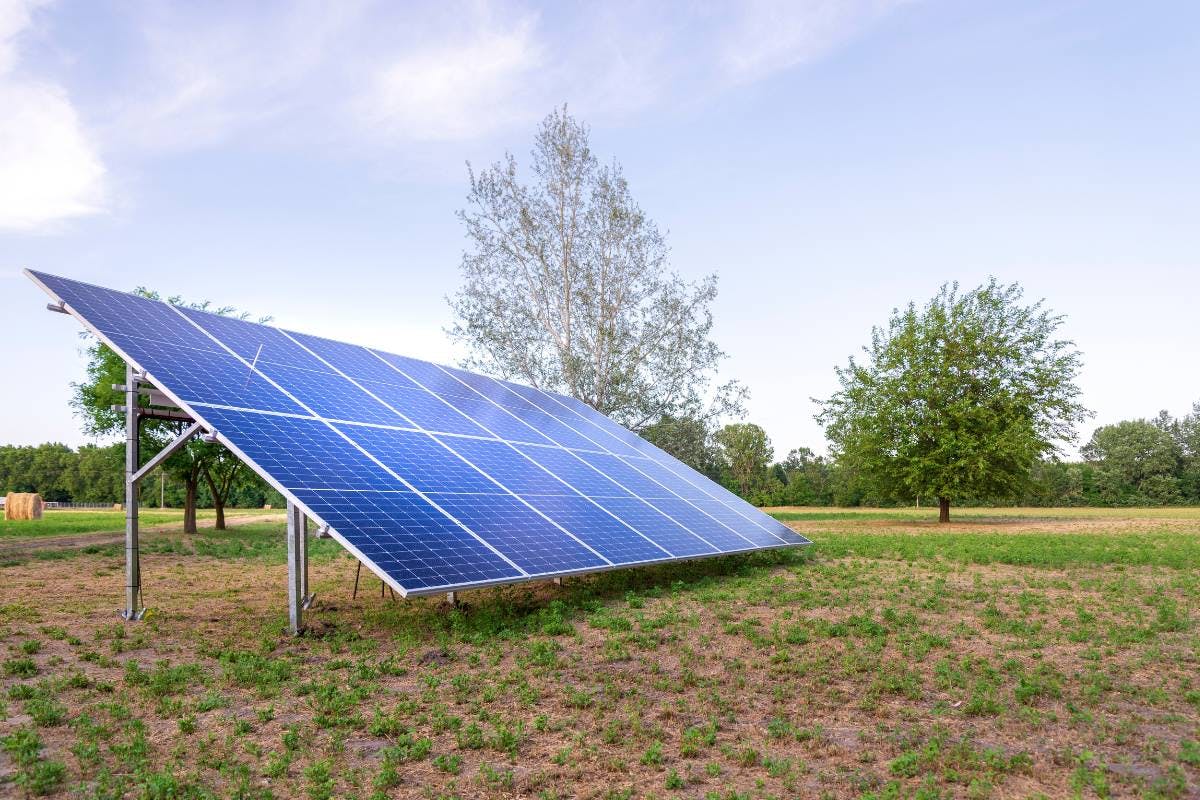
Ground-mounted systems may work well for those with enough space to accommodate them, as the panels can be positioned for optimal solar production. In some cases, you may even be able to raise your ground-mounted solar panels above a driveway or parking area, creating a solar panel carport at home.
Reroofing and solar panels key takeaways
- Replacing your roof is the perfect time to install solar panels.
- By combining two projects, you can save money on upfront costs with a streamlined installation and future expenses such as the need to remove and replace solar panels.
- It’s best to work with a single company that can coordinate the two projects (installing a new roof and solar at the same time) for you to ensure everything works together seamlessly.
- Going solar can help you save on utility costs, increase your home’s resiliency (with a battery), and cut down your carbon footprint.
- Together, a new roof and a solar energy system can significantly increase your property’s value.
Palmetto’s solar experts can review your situation and recommend the solar power system that's right for your home. Use our solar savings calculator to see your possible savings today.
See what solar can do for you:
Frequently asked questions
Do I need to replace my roof before installing solar panels?
You may not need to replace your roof before installing home solar panels. Older, worn, or damaged roofs may need to be replaced in order to work with new solar panels.
Is it expensive to replace a roof with solar panels?
It’s a significant cost to remove and reinstall solar panels when replacing a roof. The time and expense of panel removal and reinstallation is why it may make sense to have a new roof and new solar panels installed at the same time.
Can you replace a roof without removing solar panels?
No. If you have solar panels on your roof and need a roof replacement, the panels must come down beforehand.
Is it safe to have solar panels on your roof?
Yes, rooftop solar panels are safe and can make the roof directly below them more durable.
Disclaimer: This content is for educational purposes only. Palmetto does not provide tax, legal, or accounting advice. Please consult your own tax, legal, and accounting advisors.