Cold Climate Mini-Split Heat Pumps: What You Need to Know
Last edited
Author
Andrew Blok
Electrification and Solar Writer and Editor

If you've been thinking about a mini-split heat pump but live somewhere with real winters, you've probably wondered whether it can keep up when temperatures drop below freezing. It's a fair question — and the short answer is yes, if you choose the right system.
Not every mini-split is built for cold weather. Cold climate models are a different category, engineered to heat efficiently in frigid temperatures and increasingly common across the northern United States and Canada. This guide covers how they work, what sets them apart, where they make sense, and how to size one.
What is a cold climate mini-split heat pump?
A mini-split heat pump is a ductless heating and cooling system with two main parts: an outdoor unit that moves heat and one or more indoor units that deliver conditioned air directly into a room. Without ductwork, you avoid the energy losses that come with forced-air systems — the Department of Energy estimates ducted systems can lose about 30% of their energy through the ducts alone.
A cold climate mini-split is built to maintain heating performance at low outdoor temperatures. Energy Star's cold climate designation requires a coefficient of performance (COP) of at least 1.75 at 5°F. COP measures efficiency: 1.75 means the system delivers 1.75 units of heat for every unit of electricity it uses, even in that kind of cold. According to Energy Star, cold climate models will continue operating below 5°F, though pairing one with a backup heat source becomes more useful the colder it gets.
How do cold climate mini-splits differ from standard mini-splits?
A standard mini-split works well in moderate climates, but its heating output and efficiency fall off as temperatures approach freezing. Cold climate models close that gap with three key technologies:
Variable-speed compressors. A standard compressor is essentially on or off. A variable-speed compressor adjusts its output continuously based on heating demand, making it more efficient overall and better at holding performance when it's cold outside.
Vapor injection. A refrigerant circuit enhancement that adds an extra stage of heat transfer during compression, delivering more heating capacity at low temperatures than a standard system can achieve.
Enhanced defrost controls. In cold, humid conditions, the outdoor coil can ice over. Cold climate models use sensors to defrost only when needed, rather than on a fixed timer, keeping the system running efficiently without unnecessary cycles.
These features add cost. Cold climate mini-splits carry a higher price tag than standard models, with the gap varying by brand and capacity. Whether that premium makes sense depends on how often your area pushes below freezing.
Where are cold climate mini-split heat pumps needed?
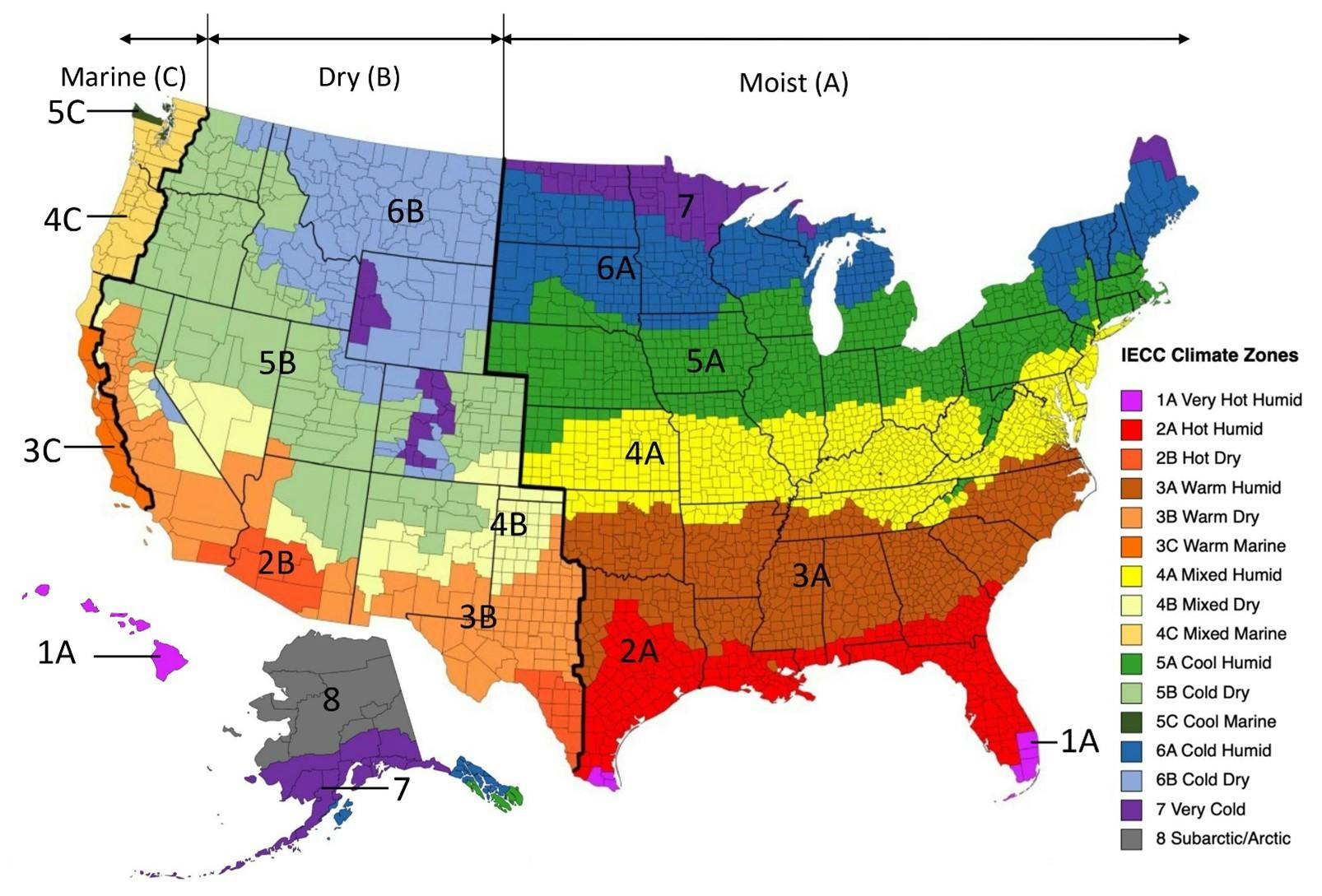
If your winters regularly bring temperatures below freezing, a cold climate model is the right call. Energy Star and the Department of Energy recommend cold climate heat pumps for homes in climate zones 5 and higher — a classification covering much of the Midwest, the Northeast, and the Mountain West.
They're also a good fit in specific situations regardless of climate zone: additions or finished spaces without ductwork, rooms that are persistently too cold or too hot, and homes with electric baseboard heating, where a mini-split can offer meaningfully better efficiency.
Mini-split versus a ducted cold climate heat pump
Both use similar technology, but they serve different homes. If you already have ductwork in good condition, a ducted heat pump can cover the whole house efficiently through the existing infrastructure. A mini-split is typically the better fit when ductwork doesn't exist, can't be added practically, or when you're conditioning a specific zone. Some homeowners use a mini-split as the primary system for an addition while keeping their existing system for the rest of the house.
Sizing a cold climate mini-split
Size matters more than most people expect. An undersized system will struggle on the coldest days. An oversized one will short-cycle — switching on and off more than it should — which increases wear and reduces comfort.
Sizing depends on square footage, insulation, window area, and your local climate. Cold climate zones generally require more capacity per square foot than moderate ones do, but any rule of thumb is just a starting point. A professional installer can perform a load calculation that accounts for your home's specifics and local weather patterns — and it's worth getting that done before you commit to a system.
What does a cold climate mini-split cost?
Installed costs for mini-splits vary by the number of indoor zones, system capacity, brand, and local labor rates. Cold climate models carry a higher equipment cost than standard mini-splits, reflecting their more advanced components.
Incentives can affect your out-of-pocket cost, though the landscape has shifted. State programs, utility rebates, and income-qualified federal rebates through the HEAR program may still be available depending on where you live. Check with your electric utility and state energy office to understand what applies to your situation.
Ready to see what a cold climate heat pump might look like for your home? Get a quote from Palmetto and we'll help you find the right fit.
Frequently asked questions
Can a mini-split heat pump work in very cold climates?
Yes, if it's a cold climate model. Energy Star-certified cold climate mini-splits heat efficiently down to 5°F and will continue operating below that, though a backup heat source becomes more helpful as temperatures drop further.
What's the difference between a cold climate mini-split and a standard mini-split?
Cold climate models may include variable-speed compressors, vapor injection, and smarter defrost controls that maintain heating output and efficiency at low temperatures. Standard mini-splits lose capacity more quickly as temperatures drop.
How do I know if I need a cold climate mini-split or a standard one?
If your winters regularly bring sustained temperatures below freezing, a cold climate model is the right choice. In milder climates, a standard Energy Star-certified mini-split may be sufficient. A local installer can help you evaluate what your home and climate actually require.
Can a mini-split replace my furnace in a cold climate?
Cold climate mini-splits can often serve as a primary heating source. In very cold climates, pairing one with a backup heat source is often recommended for the coldest days. A professional assessment will give you the clearest picture for your situation.
Are there still incentives available for cold climate mini-splits?
State programs, utility rebates, and income-qualified federal HEAR rebates may still apply depending on where you live. Check with your state energy office and utility company for current availability.
Disclaimer: This content is for educational purposes only. Palmetto does not provide tax, legal, or accounting advice. Please consult your own tax, legal, and accounting advisors.