Do I Have a Heat Pump?
Last edited
Author
Andrew Blok
Electrification and Solar Writer and Editor
Editor
Andrew Giermak
Solar and Electrification Writer and Editor
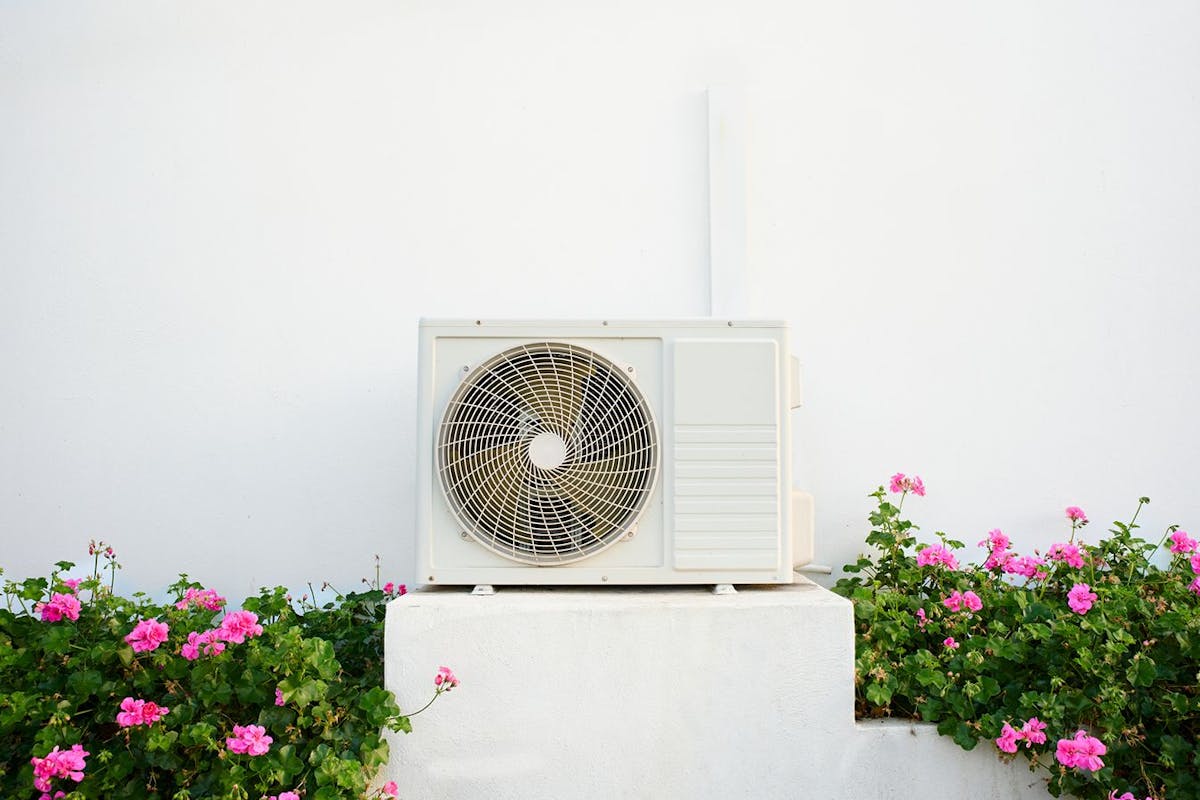
Heat pumps are the most efficient way to heat and cool a home. But what does one actually look like?
Say you’ve moved into a new place and you’re not sure whether you’ve got a heat pump, furnace, air conditioner, or some combination. Here’s how to know if you have a heat pump, whether they’re new to you or old news.
See how much you can save with a new HVAC system from Palmetto
What does a heat pump look like?
A home air-source heat pump has an outdoor unit and one or more indoor units. The exterior part of a heat pump system is the large metal box with a large metal fan inside it. It’s typically on a concrete pad or other cleared space near the house and looks a lot like an air conditioner.
The indoor unit(s) will look different and live in different places for a central or mini-split heat pump. A central heat pump’s indoor unit, often called an air handler, looks a lot like a standard gas furnace, with a few key differences we discuss below.
A mini-split heat pump’s indoor units are typically mounted on the wall throughout the house. In operation, they typically have a small LED screen to display the temperature setting and the mode.
A geothermal heat pump’s interior components look the same as an air-source heat pump’s. The outdoor system is made of pipes underground or underwater. If it’s an in-ground system, the pipes are buried vertically or horizontally and entirely buried and hidden.
See how much you can save with a new HVAC system from Palmetto
Do I have a heat pump or a furnace?
There are a few ways you can tell if your home has a heat pump or a furnace.
Starting outside, if you’re getting heat in your home and you have a large metal box and it’s running, it’s a heat pump. If you’re getting heat inside, but you don’t have an exterior unit or you have one and it’s not running, you might have a furnace giving you heat. (You could also have baseboard heating powered by electricity or a boiler.)
Indoors, with an electric heat pump, there is no gas line or venting needed with the air handler. If you have no gas or oil bill at all, you know you don’t have a gas or oil furnace. If you have a furnace, it will have a gas or oil line, and a vent pipe for exhaust. A heat pump will have heavier duty electrical wiring running to it and a PVC drain pipe for condensation runoff during the cooling season.
One more way of checking is the settings on your thermostat. If you have an “emergency heat” or “auxiliary heat” setting, those are signs you have a heat pump.
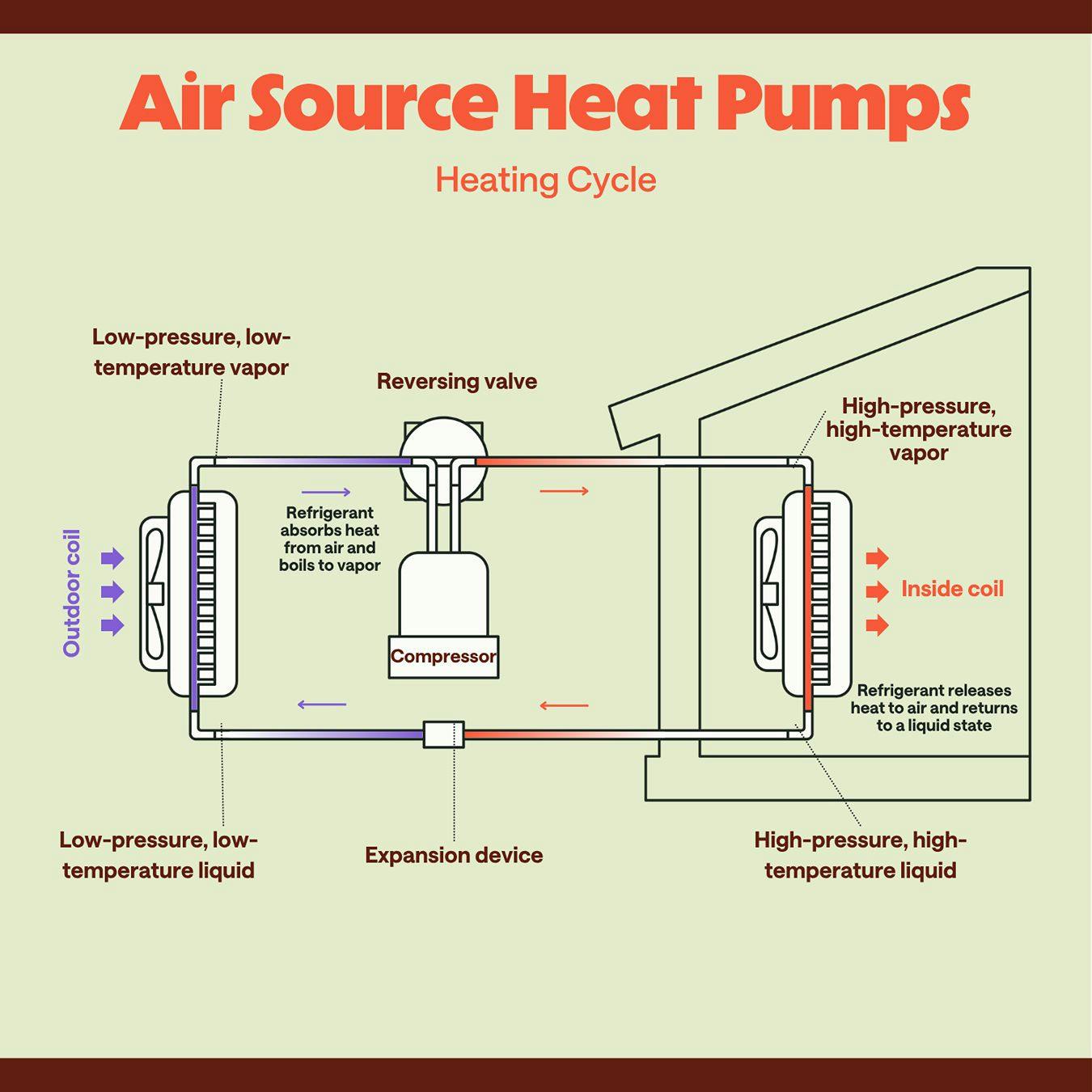
Because heat pumps move heat instead of generate it, they're much more efficient than furnaces or electric resistance heating.
Heat pump benefits
A heat pump is the most energy-efficient solution for heating and cooling for most homes. That efficiency could turn into savings. Specifically with heating, a heat pump has a coefficient of performance (COP) of about 3.0-4.0 or higher, meaning it can provide three or four times more heating output than the electricity it consumes. A furnace’s efficiency, measured as its annual fuel utilization efficiency (AFUE) percentage is often 80-98% and can’t possibly surpass 100%.
The two-in-one heating and cooling functionality of a heat pump can save you on maintenance and service in the long run.
A heat pump burns no fossil fuel to create heat. This makes it cleaner and healthier for your indoor air quality and can decrease your carbon footprint.
If you are considering a heat pump, or in need of a new higher-efficiency heat pump, you can get a free estimate for your home with our Savings Maximizer tool today.
See how much you can save with a new HVAC system from Palmetto
Frequently asked questions
What do heat pumps look like?
Ducted air-source heat pumps have two main units: outdoor and indoor. The outdoor unit looks like a large metal box with a fan inside, and the indoor unit, the air handler, is typically installed in an attic, basement, closet, or mechanical room.
How do heat pumps compare to furnaces?
A furnace provides heat. A heat pump provides heating and cooling. A heat pump is often three to four times more energy efficient than a furnace.
What is a mini-split heat pump?
A mini-split heat pump can heat or cool your home, but instead of doing so with one central air handler that sends air throughout your whole home, it uses multiple smaller units to heat and cool sections of your home at a time. Mini-splits can be more energy efficient because you don’t lose heated or cooled air in your home’s ducts, and you can zone your home to only heat or cool what you need.