How Does a Heat Pump Work?
Last edited
Author
Andrew Blok
Electrification and Solar Writer and Editor
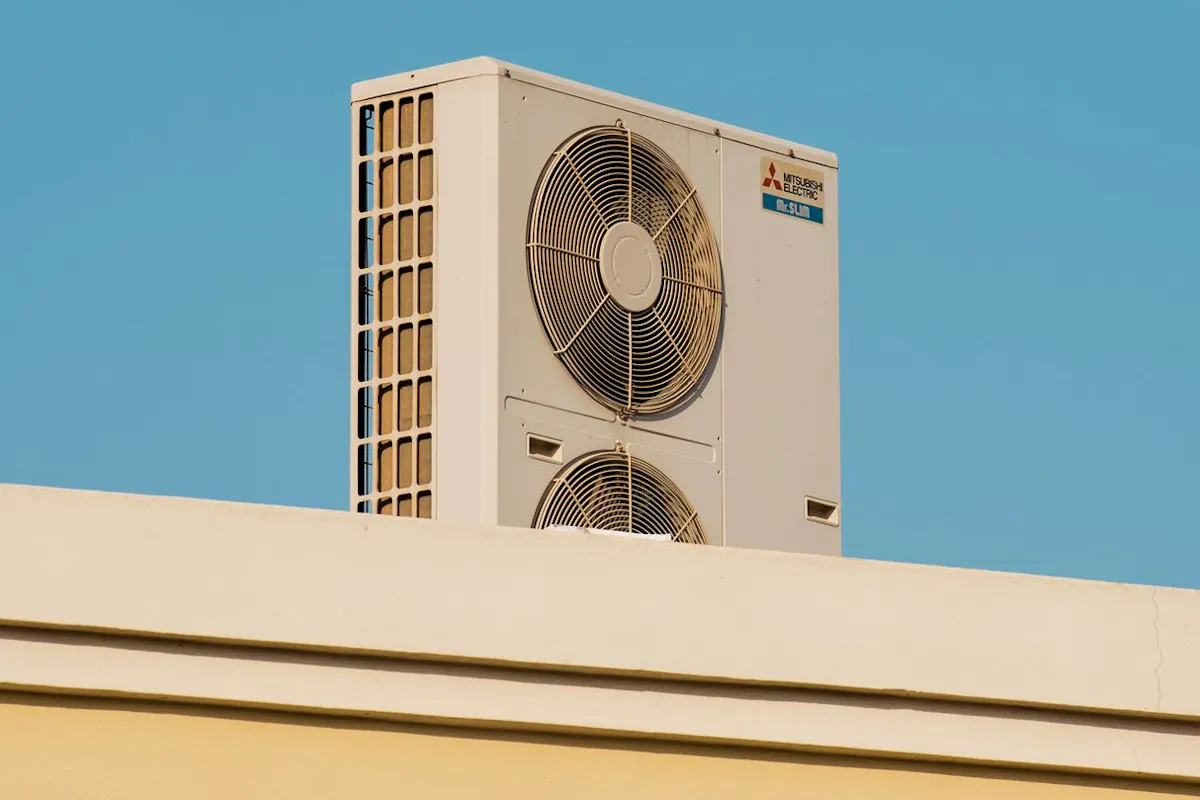
If you're considering a heat pump for your home, it helps to understand what's actually happening inside that equipment. Heat pumps work differently than furnaces or air conditioners, and once you get the basic idea, the benefits make a lot more sense.
See how much you can save with a new HVAC system from Palmetto
What is a heat pump?
A heat pump is a heating and cooling system that moves heat rather than generating it. In winter, it pulls warmth from outdoor air and brings it inside. In summer, it runs in reverse, pulling heat out of your home and releasing it outside. One system, two jobs.
How does a heat pump work in heating mode?
Here's the part that surprises most people: a heat pump can pull heat out of cold outdoor air, even when it feels frigid outside. As long as the temperature is above a certain threshold, there's enough heat energy in the air to work with. Most modern cold climate heat pumps operate efficiently well below freezing.
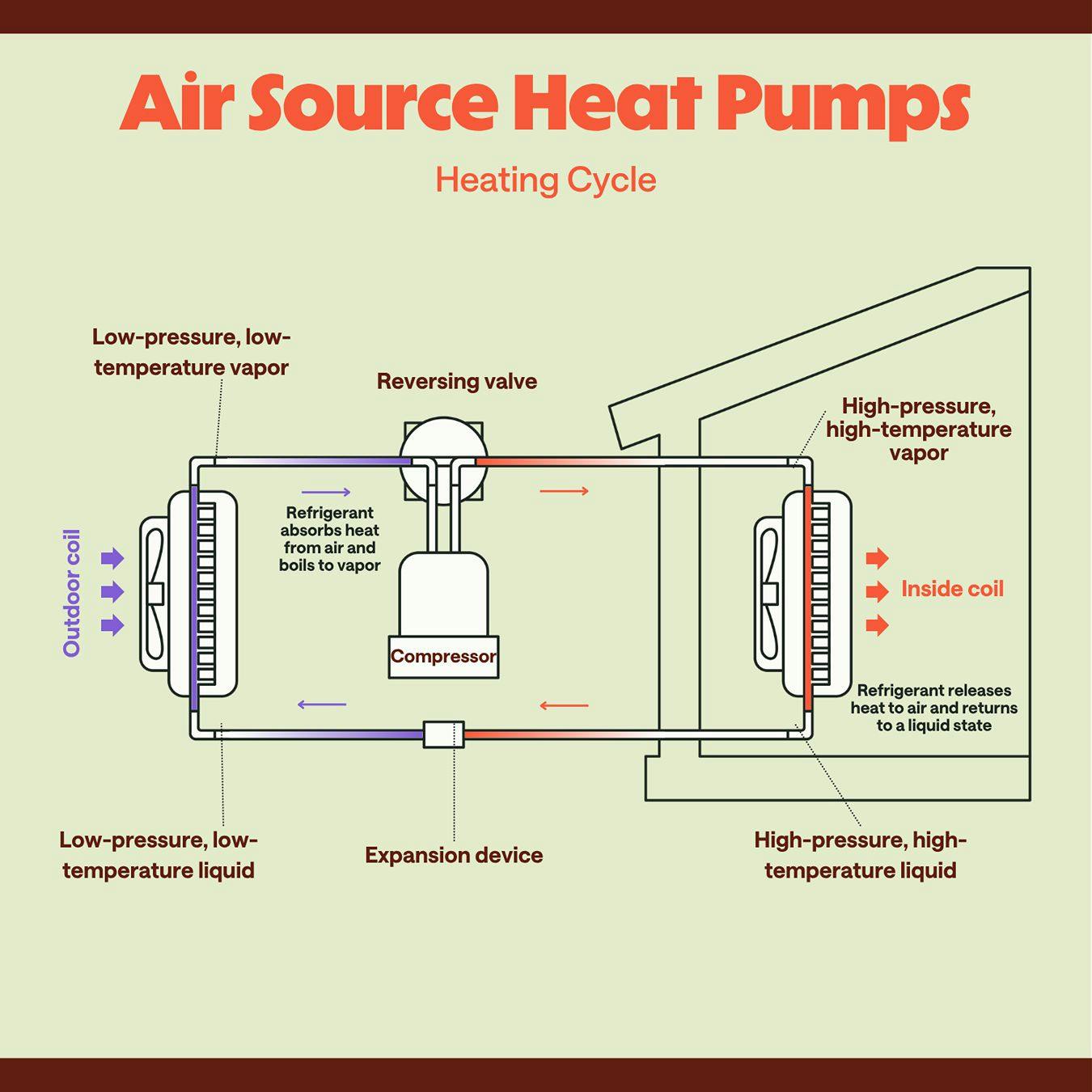
Here's how it moves that heat into your home.
Step 1: The refrigerant absorbs heat outside. The heat pump circulates a fluid called refrigerant through an outdoor coil. Even in cold air, the refrigerant is cold enough to absorb heat from the surrounding air and evaporate, turning from a liquid into a gas.
Step 2: The compressor raises the temperature. That gas moves to the compressor, which squeezes it. Compression raises the temperature significantly. The extra heat from the outdoor air makes the refrigerant genuinely hot.
Step 3: The hot refrigerant heats your home. The refrigerant flows to an indoor coil. A fan blows air across it, picking up the heat and distributing it through your ductwork (or directly into a room, if you have a ductless mini-split system).
Step 4: The refrigerant resets and repeats. After releasing its heat indoors, the refrigerant cools, passes through an expansion valve, and returns to the outdoor coil to start the cycle again.
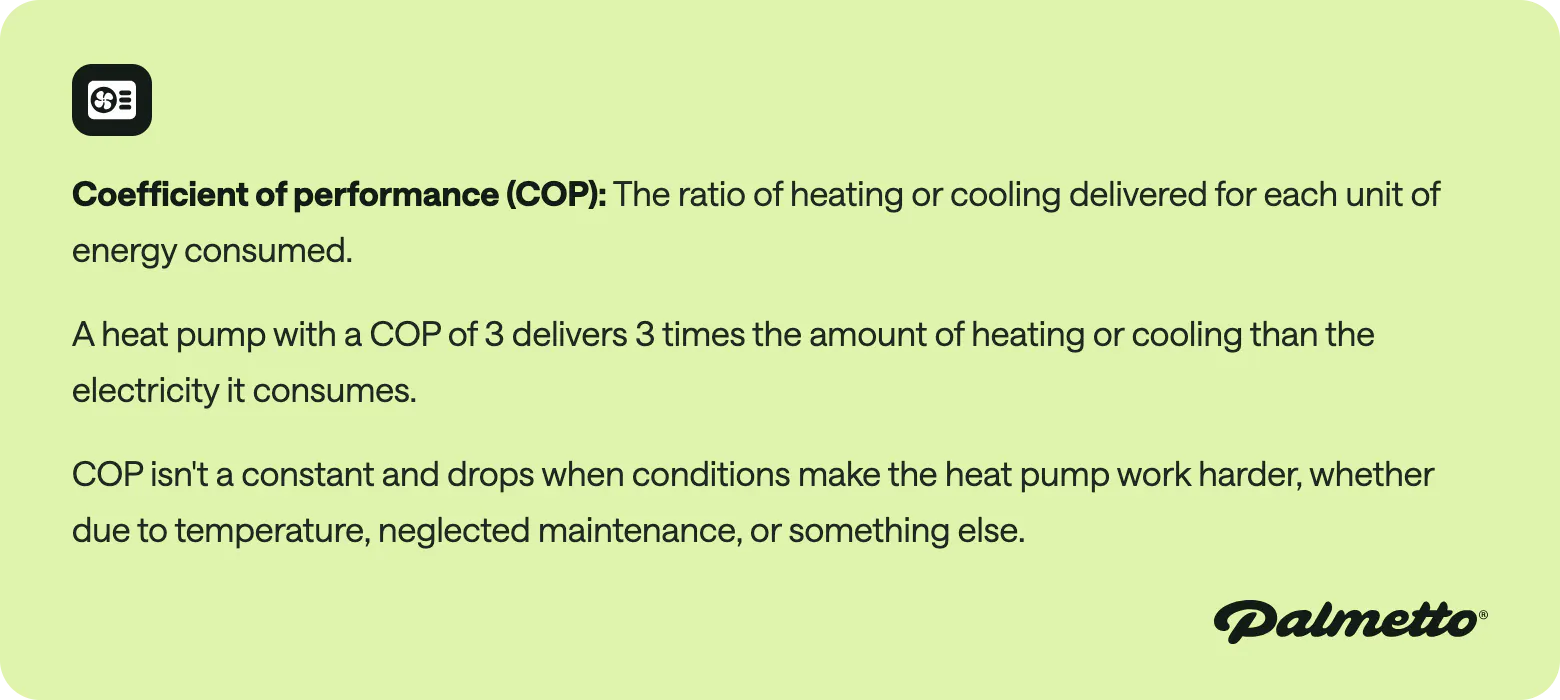
Because a heat pump moves existing heat rather than burning fuel to create it, it can deliver more heating energy than the electrical energy it consumes. That efficiency ratio is called the coefficient of performance, or COP. A COP of 3 means three units of heat delivered for every one unit of electricity used.
How does a heat pump work in cooling mode?
Cooling mode is the same cycle run in reverse. A component called a reversing valve switches the direction of refrigerant flow, swapping the roles of the indoor and outdoor coils.
Step 1: The refrigerant absorbs heat inside your home. The indoor coil absorbs heat from your indoor air, cooling it down. (The cool air you feel has had its heat sucked out when the internal fan blew it over the cold coils.)
Step 2: The compressor moves that heat toward the outside. The refrigerant carries your home's heat to the outdoor unit.
Step 3: The heat is released outside. The outdoor coil releases the heat into the outside air.
Step 4: The refrigerant resets and repeats. The refrigerant cools, passes through the expansion valve, and returns indoors to absorb more heat.
If you've had a standard central air conditioner, a heat pump cools your home the same way. The difference is that it can also reverse the process in winter, so you don't need a separate heating system. For more on how the two compare, see our guide on heat pumps vs. air conditioners.
Whether a heat pump makes sense depends on your home, climate, and what you're replacing. If you're ready to explore your options, Palmetto's Comfort Plan makes it easier to get a heat pump installed without a large upfront cost, with ongoing support included.
See how much you can save with a new HVAC system from Palmetto
Frequently asked questions
Does a heat pump work in very cold weather? Yes. Older models lost efficiency quickly below freezing, but most modern heat pumps are rated to operate well below 0°F. Some include a backup heating element for extreme cold. If you're in a harsh winter climate, ask specifically about cold-climate models.
Is a heat pump more efficient than a gas furnace? In most conditions, yes. A gas furnace converts fuel to heat at 80 to 98 percent efficiency. A heat pump can deliver 200 to 400 percent efficiency because it moves heat rather than generating it. How that compares in cost depends on your local electricity and gas rates.
Can a heat pump both heat and cool my home? Yes. That's one of the main advantages. A single system replaces both your furnace and your air conditioner.
How long does a heat pump last? Most heat pumps last 15 to 20 years with regular maintenance, comparable to a central air conditioner. Ductless mini-split systems sometimes last longer.
What's the difference between a heat pump and a mini-split? A mini-split is a type of heat pump. The difference is delivery: a standard heat pump uses your existing ductwork, while a mini-split delivers conditioned air directly into rooms through wall-mounted units. Mini-splits are a good fit for homes without ducts or where room-by-room control is a priority.
Disclaimer: This content is for educational purposes only. Palmetto does not provide tax, legal, or accounting advice. Please consult your own tax, legal, and accounting advisors.