Solar battery lease: No-buy energy resilience
Last edited
Author
Andrew Blok
Electrification and Solar Writer and Editor
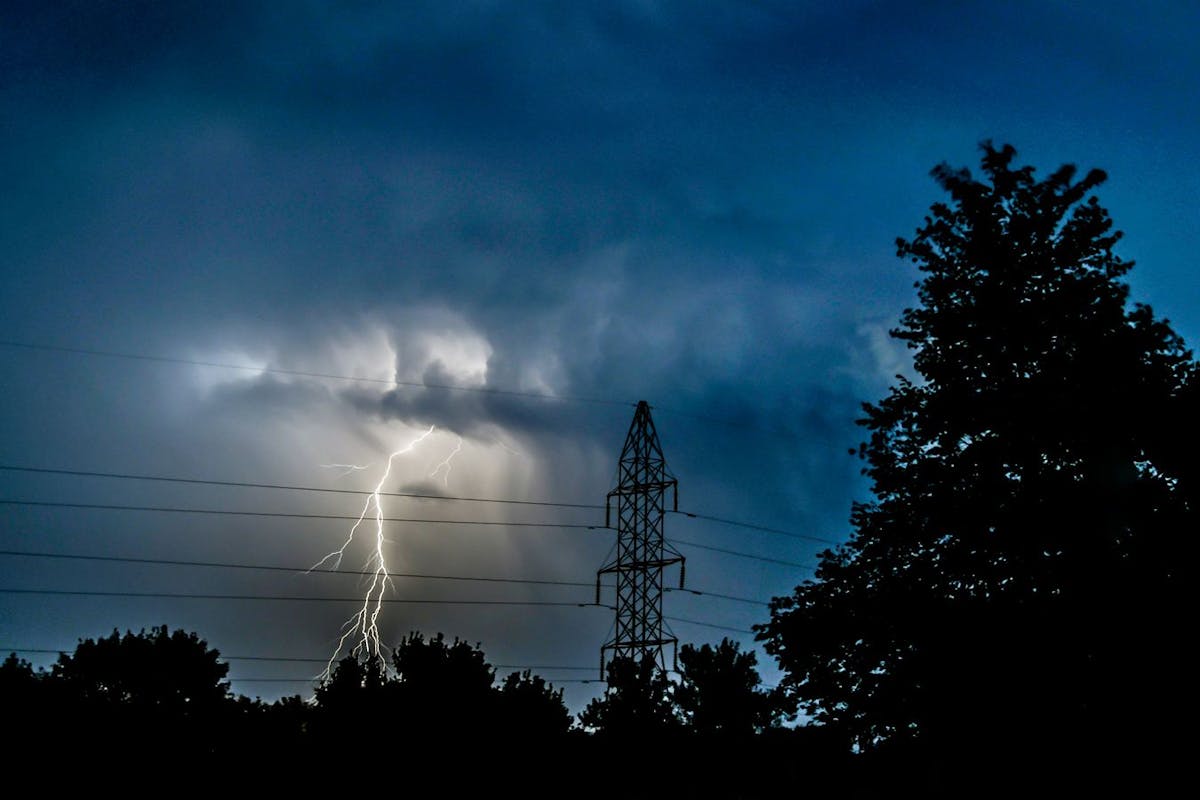
A home battery can take the sting out of an otherwise disruptive blackout by keeping food from spoiling or letting you keep the candles in the drawer. But with hefty upfront price tags, purchasing one isn't always practical.
Enter the battery lease. Here’s how solar battery leases work, how they can save you money, and what happens when your agreement ends so you can decide if one will work for you and your home.
See what home electrification can do for you:
What is a solar battery lease?
With a battery lease, you get energy storage at home without the upfront cost of purchase and installation. Instead, you make predictable monthly payments for the equipment installed at your home, its maintenance, and any service issues. (Some battery leases may require an upfront installation or program cost that’s much lower than the cost to purchase and install a new battery.)
Battery leases can work for homes with or without solar panels, though their benefits may be different for each.
You might see solar battery leases called solar battery rentals. The upshot is that you can get a battery energy storage system at your home without purchasing it.
Benefits: Can a battery lease save you money?
Motivations for leasing energy storage at home vary, just like the benefits of leasing battery storage.
Energy backup
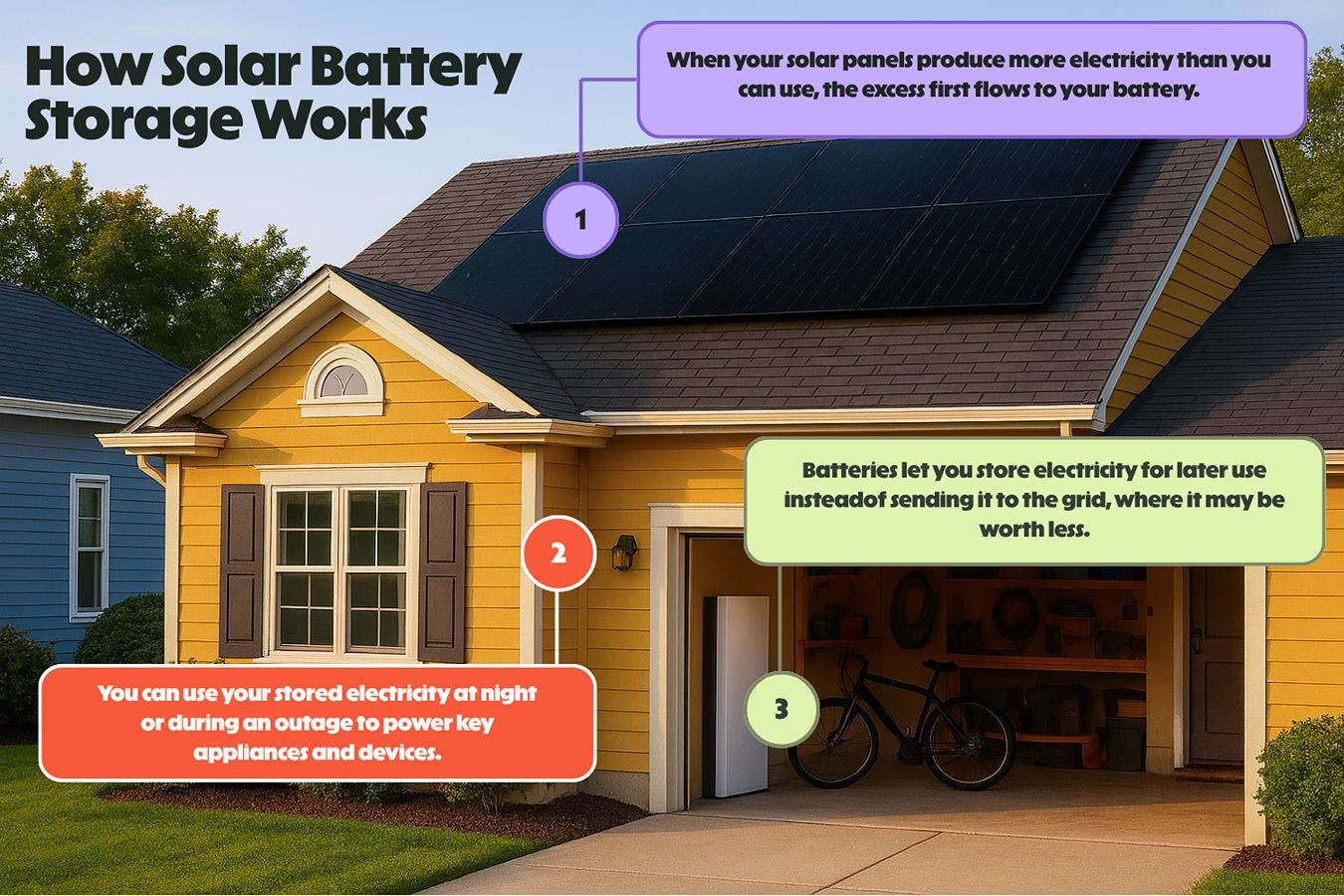
A key benefit of a battery lease is energy backup. During an outage, battery backup can keep your essentials powered. Keeping your internet, lighting, and refrigerator running can help you limit disruptions to your day. Backing up your heat and cooling can keep you comfortable (or safe in extreme cases).
Access tax credits
While tax credits for purchased solar and storage systems expired at the end of 2025, companies that own leased solar and storage can still claim an investment tax credit and choose to pass the savings on to their customers.
Peace of mind
Batteries are proven technologies and becoming more capable every year. In many leases, many routine maintenance and repair tasks are included with a lease, so your battery works when you need it most.
Savings
While people go solar to save money, people get battery backup for security. Still, where avoiding grid energy is more valuable than selling excess electricity to the grid, batteries can help boost your savings by allowing you to use solar electricity, even after the sun sets. Backup generators can’t do that. The cost-savings analysis for a battery is highly location-specific, so speak with a trusted solar advisor about your situation.
Grid program participation
Virtual, or distributed, power plants aggregate thousands of home energy devices into networks that can add electricity to the grid to keep it balanced, affordable, and secure. In regions with programs available, you may be able to earn bill credits or other payments for participating in these programs with your battery.
Predictable cost
Solar batteries have come down over the last decade, but still represent a significant one time cost. Leasing spreads that cost out over time, replacing the one-time lump sum with predictable monthly payments.
Flexible end of term options
At the end of your lease, you have options. Renew with your same system at a lower cost, upgrade your system on a new agreement, buy your existing system, or simply walk away. Your end of term options will vary by leasing product, so double check your options.
See what home electrification can do for you:
What if something goes wrong with my battery?
Battery energy storage systems are installed in thousands of homes and have proven themselves to be reliable technology.
If something does go wrong, many routine maintenance and repair tasks are included in typical lease programs. For covered issues, the leasing company will carry out any necessary repairs.
What happens at the end of a battery lease?
At the end of a battery lease, you typically have a few options.
Renew your lease
Keep your same system and sign a new deal with a lower payment, based on the market value of your battery.
Start a new lease
Start over fresh with the latest battery technology, which is sure to have changed in the 10-12 years since your lease started.
Buy out your system
Buy the system at its current market value. You own it for the rest of its useful life.
Walk away
Decide you don’t need a battery anymore? Walk away. The leasing company will decommission and remove the battery.
Battery lease vs. purchase
| Battery lease | Battery purchase | |
|---|---|---|
| Backup energy | Yes | Yes |
| Payments | Predictable monthly payments | Payment upfront |
| Installation included? | Yes | Yes |
| Maintenance included? | Yes | No |
| Term length | Typically 10-12 years | N/A |
| End of term options? | Flexible options | N/A |
| Federal tax credit | Claimed by leasing company | Unavailable as of 2026 |
Palmetto Energy Backup lease offering gets you a home solar battery for predictable monthly payments, including service and maintenance over the lifetime of your agreement and flexible end-of-term options.
Interested in leasing or purchasing solar battery storage? Reach out to Palmetto for a free quote, with or without solar panels.
See what home electrification can do for you:
Frequently asked questions
How long is an energy storage lease?
Energy storage leases typically last from 10-12 years. You’ll have options for moving forward after the initial term.
What's the difference between a battery lease and a battery rental?
Battery rental is a term that’s not used as much by the industry. Because it’s usually a longer term agreement, battery lease is the more common term. Whatever you call it, it is possible to have a battery installed at your home without purchasing it.
How much does an energy storage lease cost?
The cost of an energy storage lease will vary with the size of your system, the equipment involved, and whether or not it’s rolled in with a solar lease. In any case, you’ll trade the upfront cost of purchase and installation for a predictable monthly payment.
This content is for educational purposes only. Palmetto does not provide tax, legal, or accounting advice. Please consult your own tax, legal, and accounting advisors.