Solar power pros and cons: what to weigh before you put panels on your roof
Last edited
Author
Andrew Blok
Electrification and Solar Writer and Editor
Editor
Andrew Giermak
Solar and Electrification Writer and Editor
Do rising energy bills have you considering home solar panels? You've probably heard big promises and a few warnings. Here's the honest version.
Whether solar panels are worth it for your home depends mostly on three things: what you pay for electricity, how much sun your roof gets, and your utility policies. In the right situation, solar panels can generate electricity bill savings for decades. In the wrong one, they can be an expensive investment that doesn’t pay off. Here are the pros and cons, and how to apply them to your situation.
What are the pros and cons of solar panels at a glance?
The main benefit is a smaller electric bill. The main drawbacks are the upfront cost, roof limits, and how long savings take to add up. Here is how they line up:
| Pros | Cons |
|---|---|
| You make some of your own power, so you buy less from your utility | Buying costs thousands upfront, and a lease is a 25-year commitment |
| Zero money down is possible with a lease | Shade, size, and age can rule a roof out |
| At the median, panels still produce about 90% of their original output after 20 years (NREL) | Solar panels without batteries shut off in a blackout |
| Put your sunny, unshaded roof to work | |
| A battery can add backup power |
Home solar panel pros
They can lower your bill and keep producing for decades.
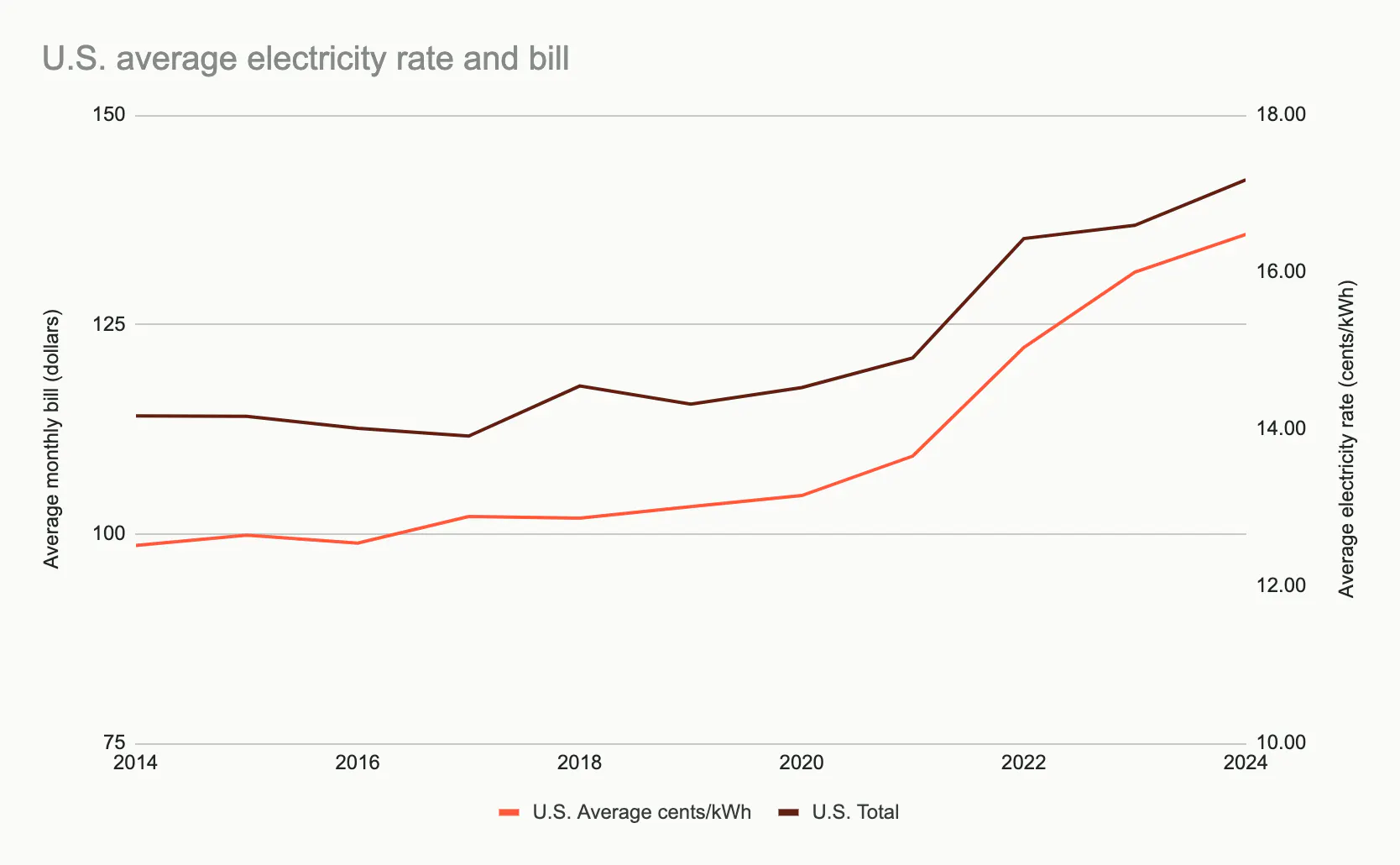
A lower bill while rates keep climbing. The U.S. Energy Information Administration forecasts that the average U.S. residential electricity price will be about 18.2 cents per kilowatt-hour in 2026, nearly 5% higher than in 2025. Panels let you make some of that power yourself and save. In Palmetto's data, estimated average monthly savings for cash purchases made in the second half of 2025 ranged from $72 in Michigan to $289 in Connecticut and Massachusetts.
Panels wear slowly. The National Laboratory of the Rockies has found that panels commonly lose less than 1% of their owutput per year, depending on the module.
Accessible leases. Solar panels still require a significant upfront cost when you purchase them, especially with the end of the solar tax credit at the end of 2025. Solar leasing lets homeowners go solar with zero money down, swapping the upfront cost with predictable monthly payments that also cover maintenance and common repairs.
Seamless backup power with a battery. Adding a backup battery allows you to store electricity for later use and, when the power goes out, to backup emergency needs for your home.
Solar panel cons and what can you do about them
Solar panels aren’t a good fit for everyone. Here are the downsides.
High upfront cost. In Palmetto's data, the average cash purchase price before incentives ran from about $17,400 in South Carolina to about $34,200 in Wisconsin, depending on system size. While the federal tax credit for solar panels is gone, some states and utilities have offered their own incentives, so check yours.
If you lease instead of purchase solar panels, you can start with zero money down, which we cover below.
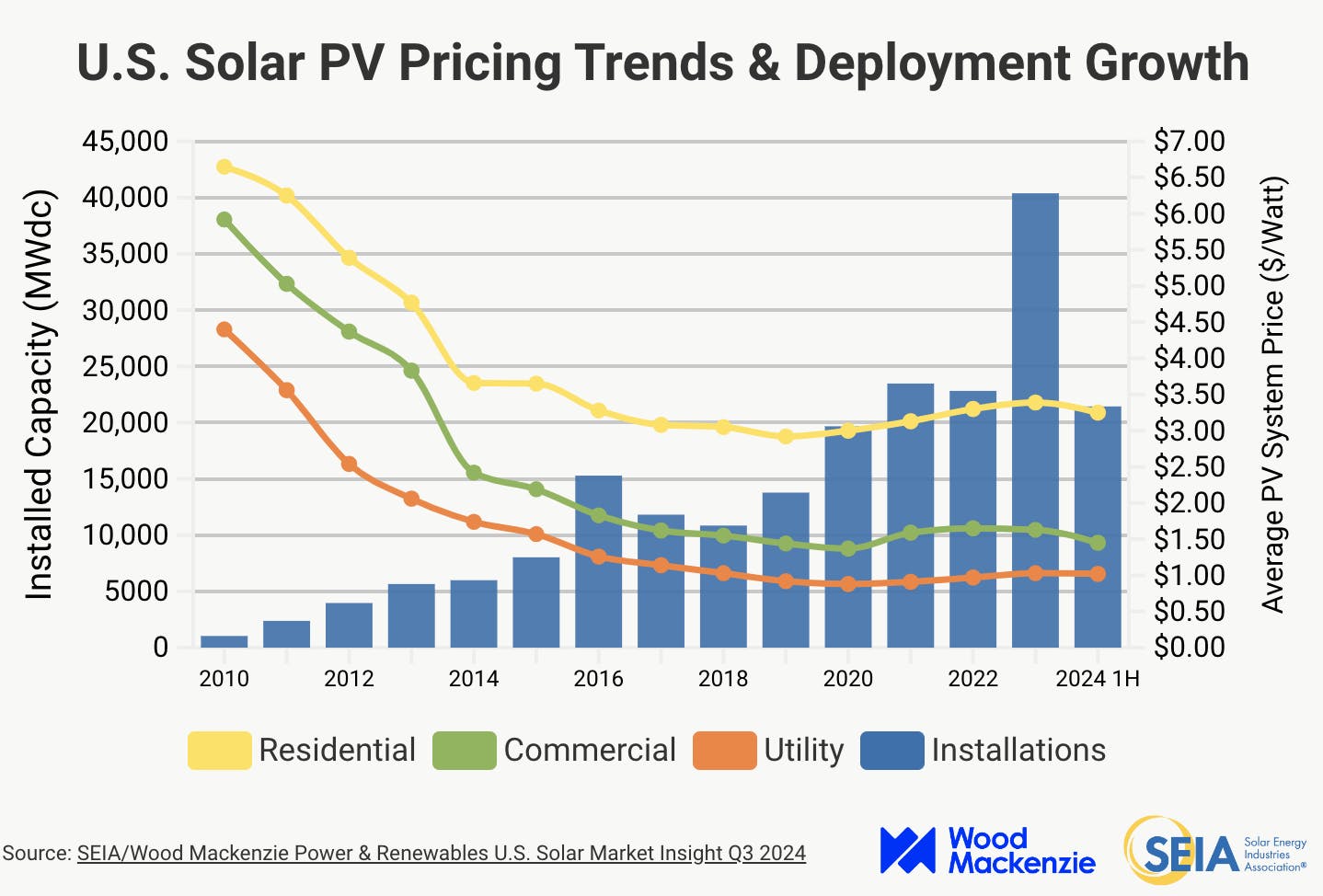
Credit: SEIA
Payback can take a long time. In some states, average estimated payback periods can stretch almost to 20 years. That’s still 5 years of pure savings (according to the typical warrantied lifespan of most solar panels), but much longer than other places, where the average payback period might be half as long.
A state average does not necessarily represent your house. Ask for an estimate built from your own bills and roof, and see our solar payback period guide for how it's calculated. With solar leases, it’s possible to start saving immediately.
Not every roof is a good fit. A heavily shaded or old roof is a poor match for solar. That’s only a downside if you put solar panels on such a roof. Learn more about how much roof space solar panels need and what questions to ask your solar installer to avoid a bad solar deal.
Most systems shut off in an outage. Panels connected to the grid generally shut down during a blackout unless you add a backup battery. If backup power matters to you, ask about batteries up front, including Palmetto Energy Backup.
What is the Palmetto Energy Plan, and how does it change the math?
The Palmetto Energy Plan is a 25-year solar lease (or power purchase agreement, a very close relative). There is no upfront cost or processing fees. Instead, you make predictable monthly payments for the equipment maintenance, and monitoring. When you get it directly from Palmetto, the plan is designed to save you money in year one. Actual savings still depend on your usage, your utility rates, and your home.
At the end of the 25 year lease term, you can walk away, extend the lease at a reduced rate, buy out the system, or start a new lease with a new system.
How can you tell if solar fits your home?
Check four things first:
- Your last 12 months of electric bills, since usage and rates drive the savings.
- Your roof's direction, shade, and age.
- How long you plan to stay in the home.
- The assumptions in any quote, including the utility rate used and how much it is assumed to rise.
When you want numbers for your own home, learn more about going solar with Palmetto and, when you're ready, reach out for a free quote.
See how much you can save by going solar with Palmetto
Common questions about solar panels
Do solar panels work on cloudy days?
Yes, but they make much less electricity. Panels can use diffuse light, so output drops on overcast days instead of going to zero. Ask for a production estimate that reflects your local weather when you shop.
Do solar panels increase home value?
Owned solar panels can. A Lawrence Berkeley National Laboratory study of home sales in eight states found buyers paid about $4 more per watt for homes with host-owned systems. That study covered owned systems, not leased ones, and sales through 2013. Other studies have shown increased property values thanks to owned solar panels.
Disclaimer: This content is for educational purposes only. Palmetto does not provide tax, legal, or accounting advice. Please consult your own tax, legal, and accounting advisors.