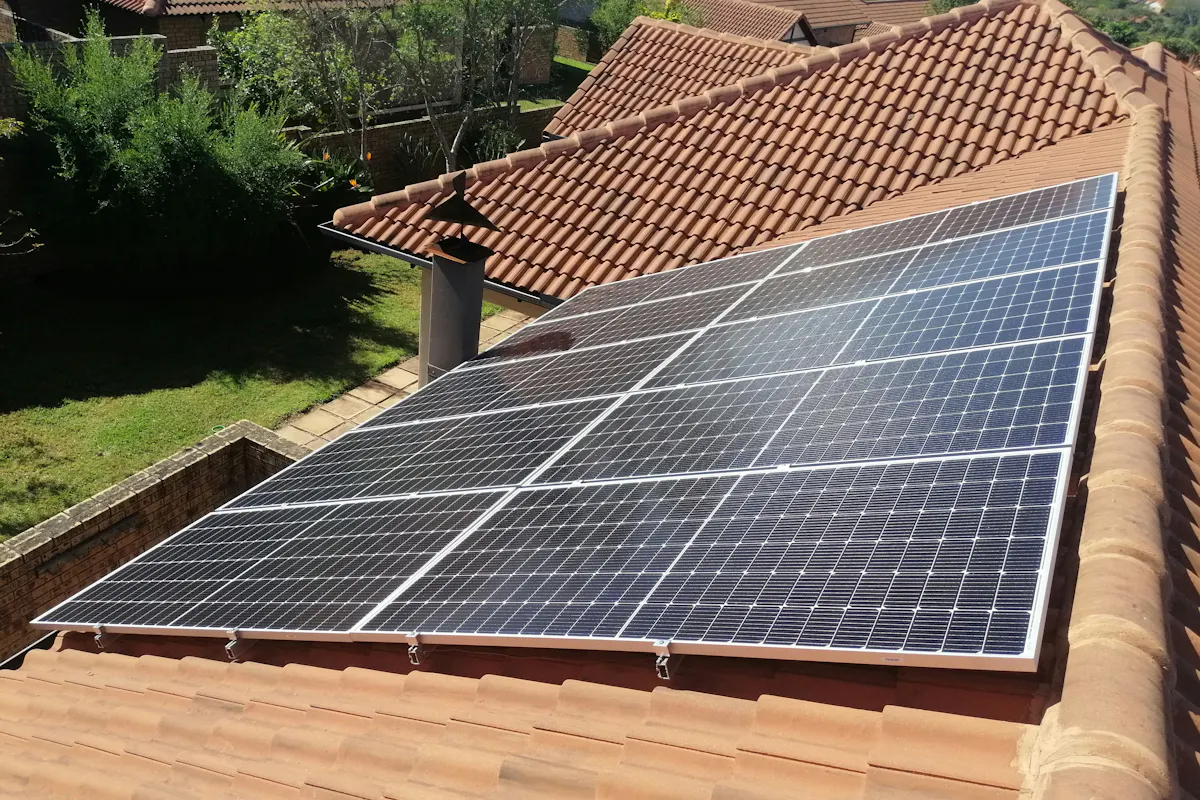
Why Winter Is the Best Time to Shop for Solar
Last edited
Author
Andrew Blok
Electrification and Solar Writer and Editor
Editor
Andrew Giermak
Solar and Electrification Writer and Editor
Deep in the throes of holiday shopping season, don’t forget to give yourself the gift of lower energy bills.
Summer is when most people start thinking about getting solar panels for their home. Hot weather drives up air conditioning use and electric bills. People feel the pain and look for relief from home solar panels.
However, there are good reasons to start looking earlier. Here’s why the colder, darker months of winter can be the perfect time to start your solar search.
See what solar can do for you:
Solar production changes through the year
The seasons have been changing on Earth for millennia and just because solar panels showed up in the last century doesn’t mean that’s changing.
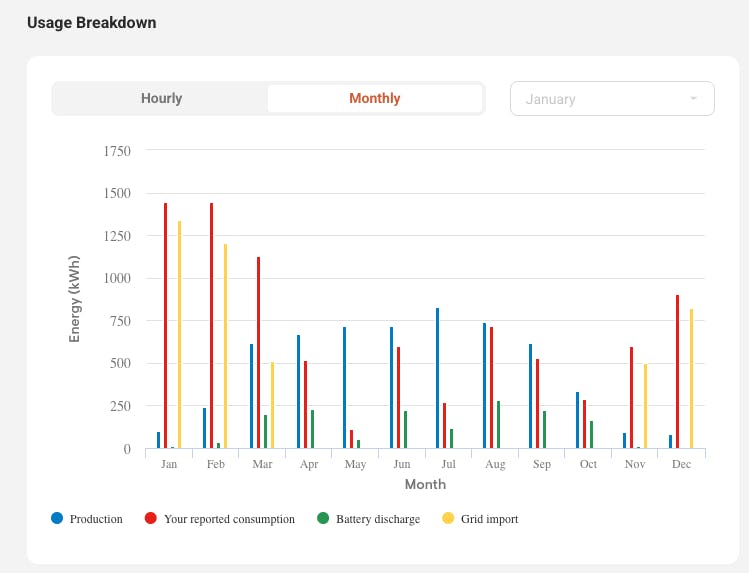
Until it does, solar panels will generate more electricity in the summer when there are more daylight hours and more intense sunlight than they do in the winter. Solar seasonality — the industry term for these fluctuations throughout the year — is why, in general, solar savings are greater in the summer than the winter.
Signing a contract in June puts your solar installation on track for activation in the fall, just as peak sun hours and expected solar production are waning. While that’s normal, it can lead to disappointment when your solar production and savings aren’t as high as you might have expected through the winter.
Why winter is the best time to shop solar
On the other hand, signing a solar contract in winter can be the ideal time, since your solar panels are likely to be activated at the start of summer. If your solar panels are installed and activated by March or April, they’ll be in place to help with high summer electric bills.
In areas with net metering, homeowners can often build up a bank of credits through the summer that will reduce their electricity bills throughout the fall and winter.
Solar panels aren’t any less valuable if they start operating in the fall instead of the spring. But their impact will be most immediately obvious as the spring and summer sun starts to strengthen.
Going solar can lower your bills for decades, but it’s still nice to see it happen right away.
In some regions, solar installations might not move forward in the winter while roofs are covered in snow. Still, getting through the paperwork in the winter can get you at the front of the line for installation come spring and getting your solar system activated as savings start to ramp up.
See what you could save by exploring Palmetto’s solar savings tool or downloading the free Palmetto app to explore solar and more options to save energy and money at home.
See what solar can do for you:
Frequently asked questions
Do solar panels work in the winter?
Yes. Solar panels work in the winter, though snowfall, cloudier weather, and shorter days mean they’ll produce less electricity than they do in the summer. The electricity they generate can still reduce your electricity bills, and any net metering credits you bank in the summer can do so, too.
When is the best time to get solar panels?
Any time of year is a good time to get solar panels, but there are some advantages to having them activated in the spring. You’ll be heading into the long days of summer and your greatest savings of the year.