Do solar panels work during a power outage?
Last edited
Author
Andrew Blok
Electrification and Solar Writer and Editor
Editor
Andrew Giermak
Solar and Electrification Writer and Editor
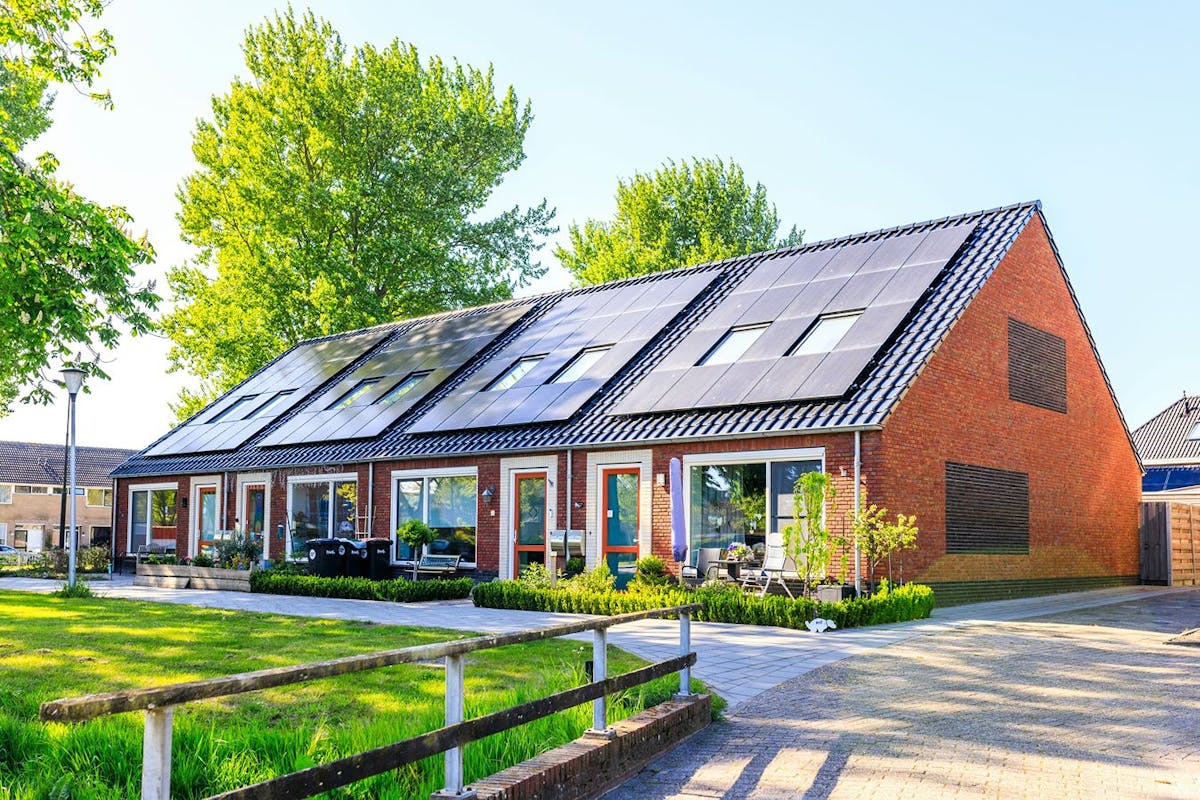
Your solar panels sat in the sun while your lights stayed off. That's frustrating, but nothing is broken.
Solar panels will shut down in a power outage, unless they're paired with a backup battery. But with backup battery storage, they can power parts of your home through lengthy outages.
Your panels shut off on purpose, to protect utility workers
If your system shut off during a recent outage, it did what it was built to do. Your panels connect to your home through an inverter, the box that converts the electricity your panels make into the kind your home runs on. When the grid goes down, a standard inverter shuts the system off within a couple of seconds of the power going out.
This is called anti-islanding. It keeps your home from becoming a small, live "island" that pushes power onto lines the utility believes are dead. Power flowing back toward repair crews could put them at risk.
How to use solar panels during a power outage
To use your home solar panels in a blackout, you need a battery that can safely disconnect your home from the grid when the power fails. Your panels then have a safe place to send their power (the battery and a set of circuits in your home) so they can continue operating.
During the day, the panels can recharge the battery while you use it. At night, the battery can power key devices, like a refrigerator, lighting, and internet equipment. Most setups power a chosen set of circuits rather than everything at once.
How long a battery lasts depends on how much energy it stores and how much your home draws. Central air conditioning drains a battery far faster than lights and a phone charger. Exactly how long a battery will last depends on what you choose to charge and how quickly your solar panels can recharge it during the day. These below estimates come from a solar system planning software.
| Setup | Sunny weather | Cloudy weather |
|---|---|---|
| Small battery (5 kWh) + heat pump | 9+ hours | 7 hours |
| Small battery (5 kWh), no heat pump | 7+ days | 18 hours |
| Large battery (10+ kWh), no heat pump | 7+ days | 49 hours |
| Large battery (10+ kWh) + heat pump | 7+ days | 19 hours |
Estimated runtimes based on backing up a refrigerator, WiFi, phone chargers, television, microwave, lighting, and two laptops. Actual results will vary depending on the size of the solar system and usage habits.
Read more: What can a battery backup? Choosing emergency loads
A battery matters most where outages run long
The U.S. Energy Information Administration (EIA) reports that the average U.S. electricity customer lost power for about 11 hours in 2024, nearly twice the annual average of the decade before. Hurricanes and other major events caused about 80% of those hours. Outside major events, outages averaged about two hours a year. In South Carolina, the average was nearly 53 hours.
If outages where you live are short and rare, a battery is a comfort purchase more than a necessity. If storms regularly knock your power out for a day or more, it moves up the list. Even powering your fridge can reduce the risk of expensive food spoilage.

You can purchase or lease backup batteries with Palmetto. Palmetto Energy Backup is our battery lease. It runs 12 years with predictable monthly payments and $0 upfront cost. The lease covers maintenance and common repairs, and system monitoring is included.
If you want to know more, see if Palmetto Energy Backup can be added to your existing system.
See what storage can do for you:
Frequently asked questions
Do I need to reset my solar system after a power outage?
Usually not. A standard grid-tied inverter restarts on its own once utility power returns though it can take a few minutes after power is restored. If your system stays off well after the lights come back, check your inverter display or monitoring app, then call your installer.
Can I add a battery to solar panels I already have?
Solar panel systems can be retrofitted to accommodate batteries. Depending on your existing system, additional work may be required. A solar installer should be able to tell you.
Can a battery work without solar panels?
A battery can work without panels, but it won’t recharge until the grid returns. Once you use up the stored power, you’re out of luck. Palmetto Energy Backup is available with or without solar panels.
Disclaimer: This content is for educational purposes only. Palmetto does not provide tax, legal, or accounting advice. Please consult your own tax, legal, and accounting advisors.


