Solar lease savings: how they work
Last edited
Author
Andrew Blok
Electrification and Solar Writer and Editor
Sick of high electricity bills or nervous about how your electric rate keeps creeping upward?
Home solar panels can dramatically lower those bills and solar leases have made them more accessible than ever before. But when you adopt a lease, you sign up for an extra bill. How are two bills better than one?
Solar leases can lower electricity bills (though they won’t in all cases). Understanding how solar lease savings work can help you get the lease that will work best for you.
See what solar can do for you:
How do solar leases work?
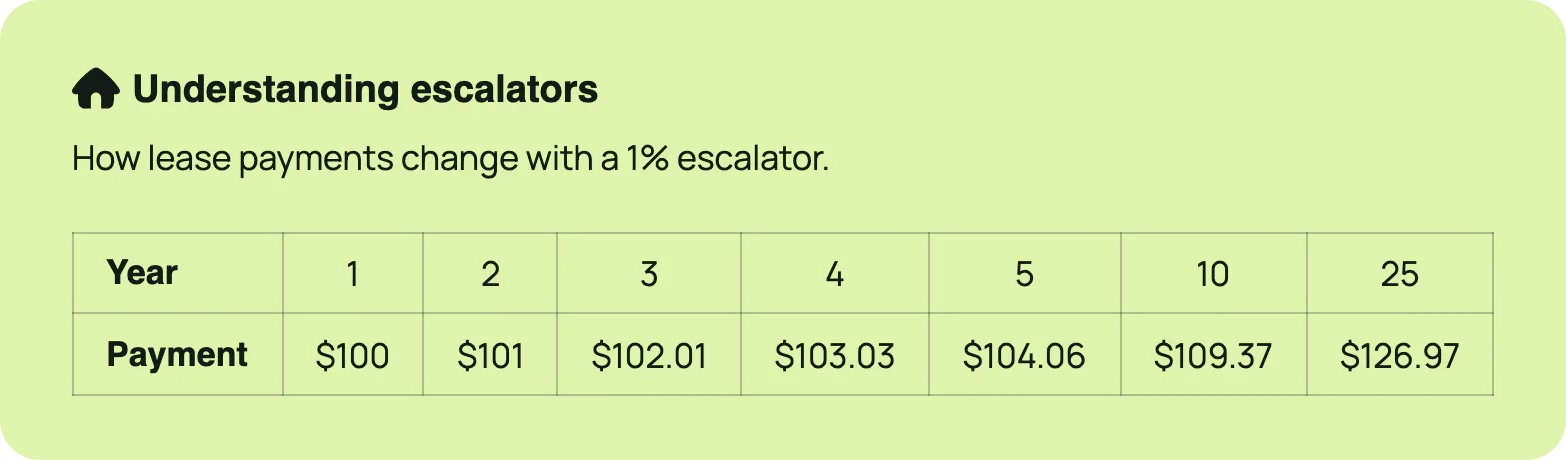
With a solar lease, a solar company owns the panels on your roof and you pay a fixed monthly fee for the electricity those panels produce. That fee is set when you sign your contract, although many leases include an annual escalator that increases your payment by a set percentage each year.
Lease escalator: The set amount monthly payments increase each year of a solar lease.
The solar power the panels produce is available to your home first, helping you avoid electricity from your electric company. Whatever your home doesn't use can flow back to the grid, which may earn you a credit on your electric bill via a policy called net metering or net billing, or to a battery for later use.
On cloudy days, at night, or any time your panels can't cover your home's full load, you draw from the grid like you always have. That's why you still get an electric bill after going solar.
How can a solar lease save you money?
The savings come from the gap between what you were paying for electricity and what you pay in total after going solar.
The math looks roughly like this:
| Before lease | After lease | |
|---|---|---|
| Electric bill | $160 | $35 |
| Lease payment | — | $95 |
| Total | $160 | $130 |
| Estimated monthly savings | $30 |
These are illustrative numbers only. Your results will vary based on your location, roof, energy usage, utility rates, and lease terms.
The lease payment is a new line item, but if it's smaller than the reduction in your electric bill, you come out ahead. Research shows that the promise of energy bill savings is the largest motivator for most people going solar and this is how it works with a lease.
Electricity prices are on the rise for many parts of the United States. In July 2026, the most recent data available, residential electricity prices were 4.4% higher than they were the year before, according to the US Energy Information Administration. For homeowners trying to manage rising electricity costs, part of the appeal is locking in a predictable solar payment to avoid some of the grid electricity that’s rising more unpredictably.
Unlike a purchased system, a solar lease has no upfront cost, so the traditional payback period doesn't apply. Instead of recovering an investment, you're simply comparing two monthly bills to your previous one. If the total is lower, you're saving.
Does a solar lease always save you money?
No.
Whether a lease saves you money depends on several factors specific to your home and your contract. Not every home is a good fit, if savings is your only goal.
Your utility rate and electricity usage. The savings from solar are most meaningful when your current electricity bill is high. If you already have a low electric bill, the reduction in your electric bill may not be large enough to offset the lease payment.
Your roof and location. Solar panels produce more power on roofs with lots of sun exposure. A system that produces less electricity for your home, may (but not always) mean less savings on your utility bill.
Your lease terms. The monthly payment amount, the annual escalator rate, and the contract length all affect how the math works out over time. A lease with a high escalator and a low-performing system could end up costing more than it saves. Getting multiple quotes can help you avoid dishonest salespeople and bad deals.
Net metering where you live. When your panels produce more than your home uses, that excess can earn you credits from your utility. Not all utilities offer strong net metering terms.
The bottom line: a solar lease is not automatically a good deal, and it's not automatically a bad one. It depends on the numbers specific to your situation.
What to ask before signing a solar lease
If you're considering a solar lease, a few questions to your solar company will tell you a lot:
- What is the monthly payment, and what is the annual escalator rate?
- How much power is the system projected to produce each year?
- What net metering policy does my utility currently offer?
- What happens at the end of the lease term?
- What does maintenance and monitoring coverage look like?
A reputable solar company should be able to answer all of these clearly. If you’re curious about how solar panels can benefit your home, see how the Palmetto Energy Plan could be a fit. It offers flexible end-of-lease terms and includes maintenance and monitoring. Learn more about Palmetto Energy Plan or get a free quote and savings estimate from today.
See what solar can do for you:
Frequently asked questions
Can I really save money with a solar lease if I still have an electric bill?
Yes, a lease can reduce your total monthly energy costs, which can happen without eliminating your electric bill. If your lease payment plus your reduced electric bill adds up to less than your old electric bill alone, you're saving money.
What happens if electricity rates keep going up?
Rising utility rates generally work in a leaseholder's favor, since avoiding more expensive electricity means saving more money. Your lease payment is predictable, even with a payment escalator. The higher grid electricity rates go, especially when they rise faster than your escalator, the more valuable your solar production becomes. That said, no one can predict exactly how rates will move.
Is a solar lease the same as buying solar panels?
No. With a lease, the solar company owns the equipment. You're paying for the use of the system, not the system itself. Leasing and buying solar panels have meaningfully different financial profiles, and which makes more sense depends on your situation.
What if I want to sell my home while under a solar lease?
It's possible to sell a home with a leased solar system, but it does add a step. The lease typically needs to be transferred to the buyer or bought out. If you plan to move before your lease would be up, make sure you understand the process.
How do I know if the savings estimate I'm being shown is realistic?
Ask for a production estimate based on your specific roof, orientation, and location. Then check what net metering credit your utility currently offers, and do the math yourself: projected lease payment plus projected remaining electric bill versus what you pay now. If a company can't or won't show you that breakdown clearly, that's a useful signal. Getting multiple quotes can help you get a better read, too.
Disclaimer: This content is for educational purposes only. Palmetto does not provide tax, legal, or accounting advice. Please consult your own tax, legal, and accounting advisors.