You get two bills with a solar lease: How the math works
Last edited
Author
Andrew Blok
Electrification and Solar Writer and Editor
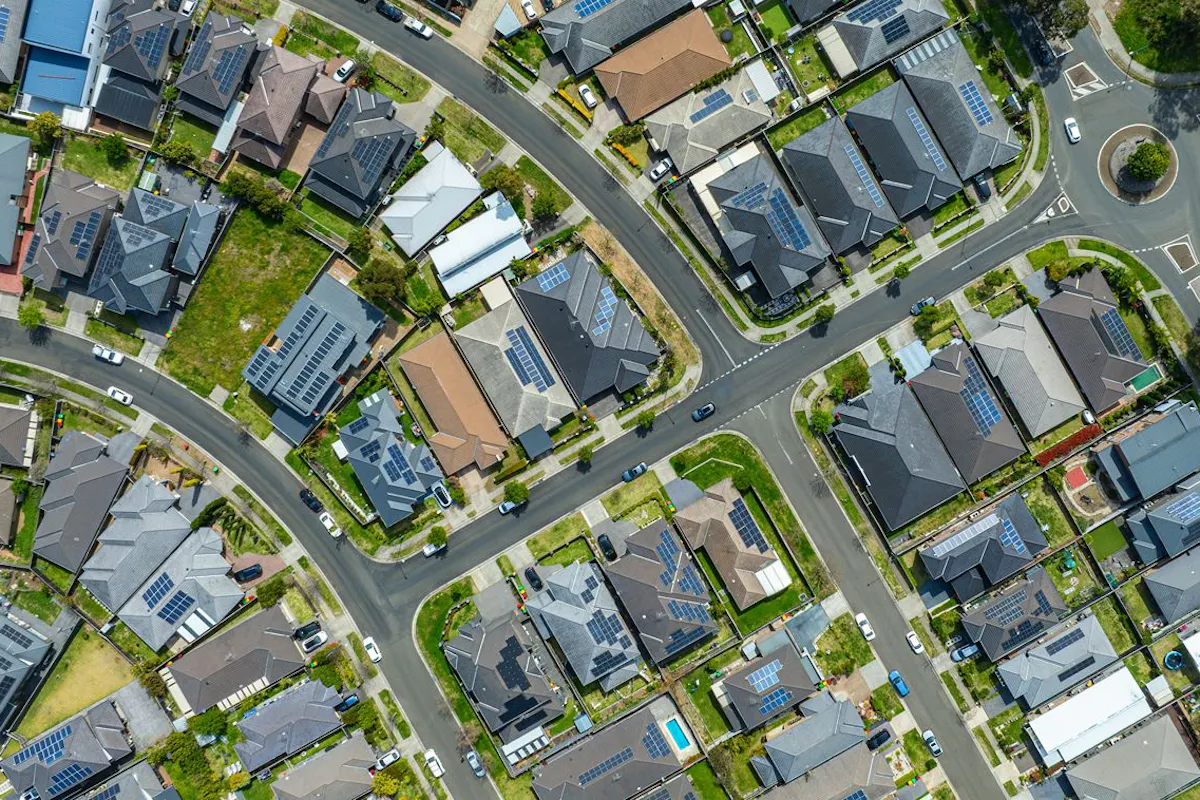
You’ve leased solar panels, and now you’re seeing two separate monthly bills: one from your solar company and one from your utility. It might feel counterintuitive, but it’s completely normal.
Understanding how these two payments work together is key to seeing the full picture of your energy costs and whether your solar setup is reducing your overall expenses. Let’s break down what each bill covers and how you can still save, even with an additional bill.
See what solar can do for you:
What a lease bill covers
With a solar lease, you make monthly payments for a solar energy system that's installed on your roof but owned by the leasing company. The electricity it generates can help lower your electricity bills.
Your lease payment typically covers:
- The solar equipment
- Performance monitoring
- Covered maintenance and repairs
A lease payment doesn't go up and down based on how much electricity you use. It's a fixed monthly charge set when you sign your contract. (Leases often include an annual escalator, which increases your payment by a set amount each year.) If you signed a power purchase agreement instead, it may fluctuate with the level of solar production. Some PPAs come with a predetermined monthly payment.
What your electric bill covers
Even with solar panels on your roof, you're still connected to the electrical grid. That connection is what your utility bill pays for. It typically covers the following.
Electricity drawn from the grid: Your home draws energy from the grid at night, on cloudy days, or when your panels can't cover all your needs.
Fixed costs utilities charge regardless of usage. Things like grid connection fees, meter charges, and basic service fees show up on your bill even if your panels cover most of your electricity needs.
Credits for excess production. When your panels produce more electricity than your home needs at that moment, the extra power can flow back to the grid, which can earn you bill credits and reduce what you owe. This is called net metering or net billing (depending on how the credits are calculated), and it's a key factor in your overall costs.
So your electric bill reflects what you've pulled from the grid plus unavoidable fees, minus any credits for what you've sent back.
The math of solar lease savings
This is where the two-bill picture comes together. The question isn't whether you're paying two bills — it's whether the total of those two bills is less than what you were paying before.
Here's a simple example to illustrate:
| Before solar lease | After solar lease | |
|---|---|---|
| Electric bill | $150 | $30 |
| Lease payment | $90 | |
| Total cost | $150 | $120 |
| Potential savings | $30 |
In this hypothetical, the lease payment added a new line item, but the electric bill dropped enough to more than offset it.
See what solar can do for you:
What affects your bills with a solar lease?
The above math looks different for everyone and changes each month. A handful of factors can influence what you see on each bill from month to month. This variability is the main reason it’s best to judge solar savings over an entire year.
Solar system production. Panels produce more power on sunny days and in summer months. Shading from new tree growth, debris on the panels, or a system issue can reduce production and push more of your energy needs back to the grid.
Your home's electricity usage. If you're using more electricity than usual — more people at home, new appliances, a new electric vehicle, weather driving up heating or cooling — you'll draw more from the grid and see a higher utility bill than you would otherwise.
Utility rate changes. Your utility may raise rates over time, which can affect your overall costs even if your solar production stays steady. Many leases include an annual price escalator as well, increasing your lease payment increases each year. Check your contract for details.
Net metering policies. The credit your utility offers for excess solar production can vary. Some utilities offer a 1-to-1 credit (you get the same rate for what you send back as what you pay to pull power from the grid). Others offer less. If your utility changes its net metering policy, it could affect your electric bill.
Time of use. Some electric companies charge different rates during peak and off-peak hours. Running high-energy appliances during off-peak hours can help manage costs with or without solar.
What to do if something looks off with your bills
If your bills don't look as expected, it's worth taking a closer look before assuming something is wrong. Here's a straightforward process:
Start with your solar system's monitoring data. If production is significantly lower than expected, investigate.
Compare to your contract. Your lease agreement specifies the fixed monthly payment amount. If your lease payment doesn't match your contract, contact your leasing company directly.
Review your utility bill line by line. Look for charges that seem unusual — unexpected fees, higher usage than normal, or missing net metering credits. Your utility's customer service line can explain any charges you don't recognize.
Contact the right party for each bill. Questions about your lease payment, system performance, or equipment go to your solar leasing company. Questions about grid charges, metering, or utility credits go to your utility. They're separate companies and handle separate parts of your setup.
Keep records. If you're seeing a pattern of unexpected charges or low production over several months, documenting it with screenshots or bill copies makes it easier to resolve with either company.
If you're curious about how a solar lease could work at your home, taking a closer look at your specific situation with a reputable solar company is the best place to start. Get a free quote today.
See what solar can do for you:
Frequently asked questions
Why am I getting two separate bills after going solar? If you leased your solar panels, one bill is your lease payment, which covers your use of the solar equipment installed on your roof. The other is your electric bill from your utility, which covers the electricity you pull from the grid.
Will my electric bill go away completely with solar panels? For most homeowners, the answer is no. Solar panels reduce how much electricity you draw from the grid, but they rarely eliminate the grid connection entirely. You'll still get an electric bill with solar panels, even when it is lower than before. For some homes, solar panels are unlikely to save money overall.
What is net metering and does it affect my electric bill? Net metering is a policy that lets you send excess solar electricity back to the grid in exchange for a credit on your utility bill. Not every utility offers net metering, and the terms vary by location, so it's worth checking with your utility directly.
Why does my electric bill change from month to month with solar? Solar production varies with the seasons and weather. In summer, longer days and more sunshine typically mean higher production and a lower utility bill. In winter, production drops and your utility bill may rise. Your home's electricity usage also plays a role — if you use more power than usual, you'll pull more from the grid.
Disclaimer: This content is for educational purposes only. Palmetto does not provide tax, legal, or accounting advice. Please consult your own tax, legal, and accounting advisors.


