Make Your Solar Energy Count: When You Use It Matters
Last edited
Author
Andrew Blok
Electrification and Solar Writer and Editor
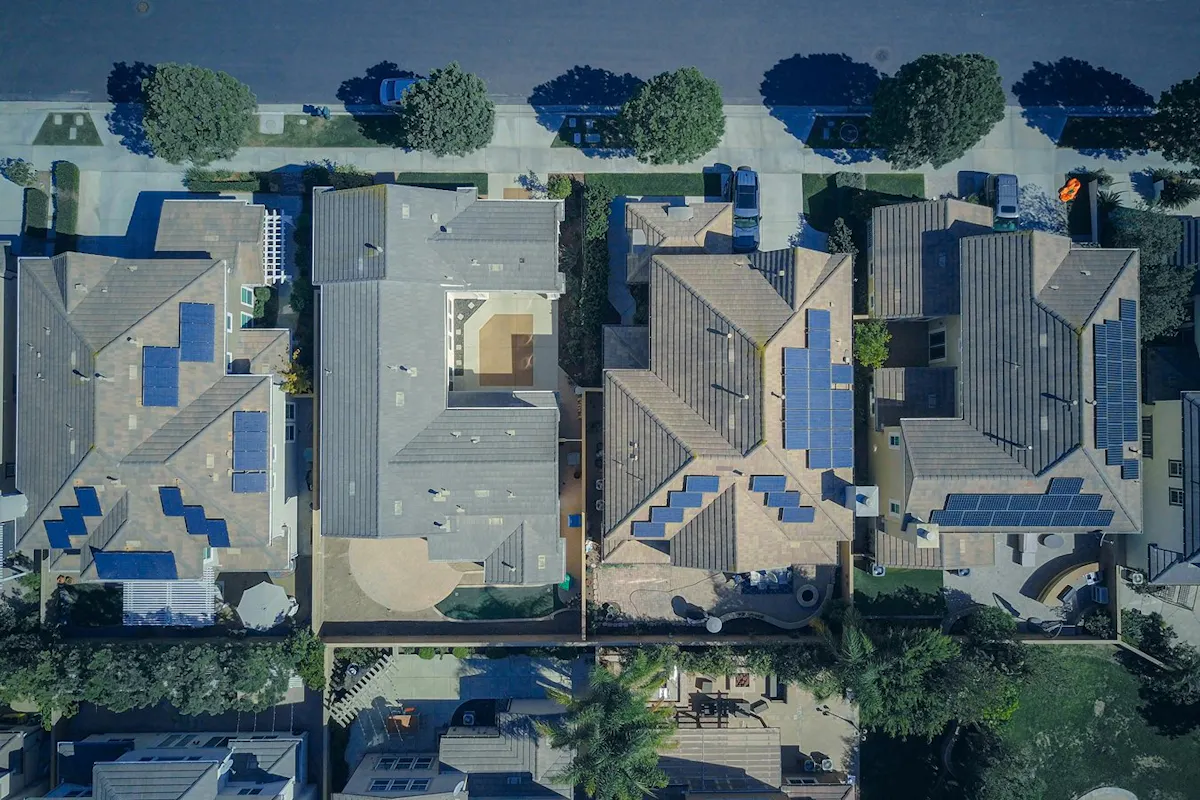
Most people who install solar panels at their homes do it with one goal in mind: saving money. There are others, too — reducing greenhouse gas emissions, sticking it to your utility — but, no matter the goal, it’s (generally) achieved in one way: avoiding grid electricity in favor of the affordable electricity generated on your rooftop.
Rooftop solar panels generate electricity when the sun is up, so shifting more of your electricity consumption to those hours can help you avoid more grid electricity. But how can you achieve this, especially if you’re not at home during the day?
Here’s how you should think about when you use electricity and how to practically shift your energy use at home.
Load shifting explained
When you decide to run your dishwasher three hours after you’ve loaded it, that’s load shifting. (“Load” is a technical term here, that basically refers to any use of electricity.)
Load shifting is talked about as a strategy for balancing supply and demand at the grid level. It can also be a savings strategy for people on time-of-use rates to shift electricity use from more expensive peak hours to less expensive off-peak hours. If there are times of day when electricity costs much less than it does at other hours, it makes sense to shift your electricity use to those times.
Load shifting can be automated or require manual adjustments.
For example, you could bump your thermostat up a few degrees to avoid using quite as much electricity during a hot afternoon, or you set your smart thermostat’s schedule, so it can handle the adjustment for you.
While people typically load shift at home to save money, you could also do so to avoid emissions. If you live in a region with electricity from solar on the grid during the day and from coal at night, shifting more of your electricity to daylight hours could use cleaner electricity overall.
Load shifting and home solar panels
Home solar panels make electricity from free sunlight. That’s a big part of why they’re effective for reducing electricity bills for so many people. It also means that, without a battery, electricity from your rooftop panels is only available during the day.
This predictable daily cycle isn’t necessarily a problem for solar panels at home.
For homes with one-to-one net metering, where every kilowatt-hour sent to the grid offsets one you pull from the grid, it won’t save you more money to directly consume the electricity you generate. In this case, load shifting could reduce your carbon footprint, since solar electricity from your solar panels is likely to be cleaner than the electricity you’d get from the grid.
In other circumstances, load shifting could reduce your utility bills. Under certain net billing schemes, sending electricity from your solar panels to the grid is less valuable than using it yourself. In these cases, load shifting can help you save more money.
| Cost of grid electricity | Export credit | Potential to save by load shifting | |
|---|---|---|---|
| 1-to-1 net metering | 15 cents/kWh | 15 cents/kWh | 0 cents/kWh |
| Net billing | 15 cents/kWh | 5 cents/kWh | 10 cents/kWh |
Numbers are for illustration only. Net metering and net billing credits vary by utility. Confirm your utility’s policies for yourself.
Batteries change this calculation a bit. Load shifting could become less important, since batteries allow you to use stored solar energy after the sun sets. In some markets, it’s economical to install a battery without backup capabilities just for this purpose. Those battery setups are called arbitrage, or consumption only, batteries.
Practical ideas for load shifting at home
Shifting the largest uses of electricity will have the greatest impact, either on your bill or your carbon footprint. Here’s how you could shift some of your electricity uses, starting with the largest household uses of electricity, according to the US Energy Information Administration.
Air conditioning
Air conditioning (about 19%, according to the 2020 Residential Energy Consumption Survey) and space heating (just over 12%) are the largest uses of residential electricity. There’s plenty of research on precooling — cooling a house down early to avoid expensive electricity or reduce demand later in the day — that shows it can be an effective strategy for reducing costs or shaving peak demand.
Precooling works best when a home has enough insulation to maintain its lower temperature long enough to avoid running the air conditioner later. If a house can hold the cool air, you can use a bit more electricity during solar production hours and a bit less later in the day.
Smart thermostats can put this practice on autopilot. Set your schedule and forget about it.
Water heating
Water heating is the third largest use of electricity (about 12%) in a home, on average. Some smart water heaters can be scheduled automatically to heat water at specific times of day. If you’re able to schedule your appliances that use hot water — your dishwasher or washing machine — you could effectively shift your water heater usage to use your solar production, too.
EV chargers
The rise of electric vehicles marks a rise of a new use of electricity at home. EV charging accounts for just .25% of all residential electricity consumption in the US. But, in homes that have EV chargers, it’s likely a much larger percentage of total electricity consumption.
Scheduling your EV to charge when your solar panels are generating electricity can reduce your overall cost. When that's not possible (if you work away from home during daylight hours), charging during off-peak hours can reduce your EV charging costs.
Drying clothes
Clothes dryers (about 4% of residential electricity use) with a scheduling or delayed start function can be run during daylight hours even if you’re out of the home. Just remember to clean that lint trap
Washing dishes
Dishwashers use just 0.75% of home electricity consumption, but delayed starts can see you wash dishes during the day, even if you’re away at work.
Washing clothes
Washing machines use only 0.5% of total household electricity use, but scheduling them to run during daylight hours can shift that consumption to solar power.
Lowering your electricity bill with solar
Depending on your billing structure, shifting your electricity use to when your solar panels are producing electricity may or may not be beneficial. In locations where sending electricity to the grid is as valuable as avoiding electricity from the grid, load shifting won’t lower your bill, but could reduce the carbon intensity of the electricity your home uses.
In places where avoiding grid electricity is your path to the greatest savings, shifting your energy use could increase your savings. Exactly how much depends on the cost of electricity, the credit you earn from exporting electricity to the grid, and how much of your electricity you can shift.
To learn more about what you could save with solar panels, get a free quote today, or download the Palmetto app to explore how much you could save with solar and other energy saving technologies.
Frequently asked questions
Can shifting when you use electricity save you money?
In some cases, yes. On time-of-use rates or with solar panels, you may save money when you shift to off-peak hours or hours of solar production. How much you could save depends on a variety of factors?
Is it a problem that solar panels only generate electricity during the day?
No. Things like net metering, battery storage, and load shifting help homeowners save in a wide variety of situations. A reputable solar installer can help you understand your saving potential with solar.
Disclaimer: This content is for educational purposes only. Palmetto does not provide tax, legal, or accounting advice. Please consult your own tax, legal, and accounting advisors.


