When You Go Solar Might Influence How Happy You Are With It
Last edited
Author
Andrew Blok
Electrification and Solar Writer and Editor
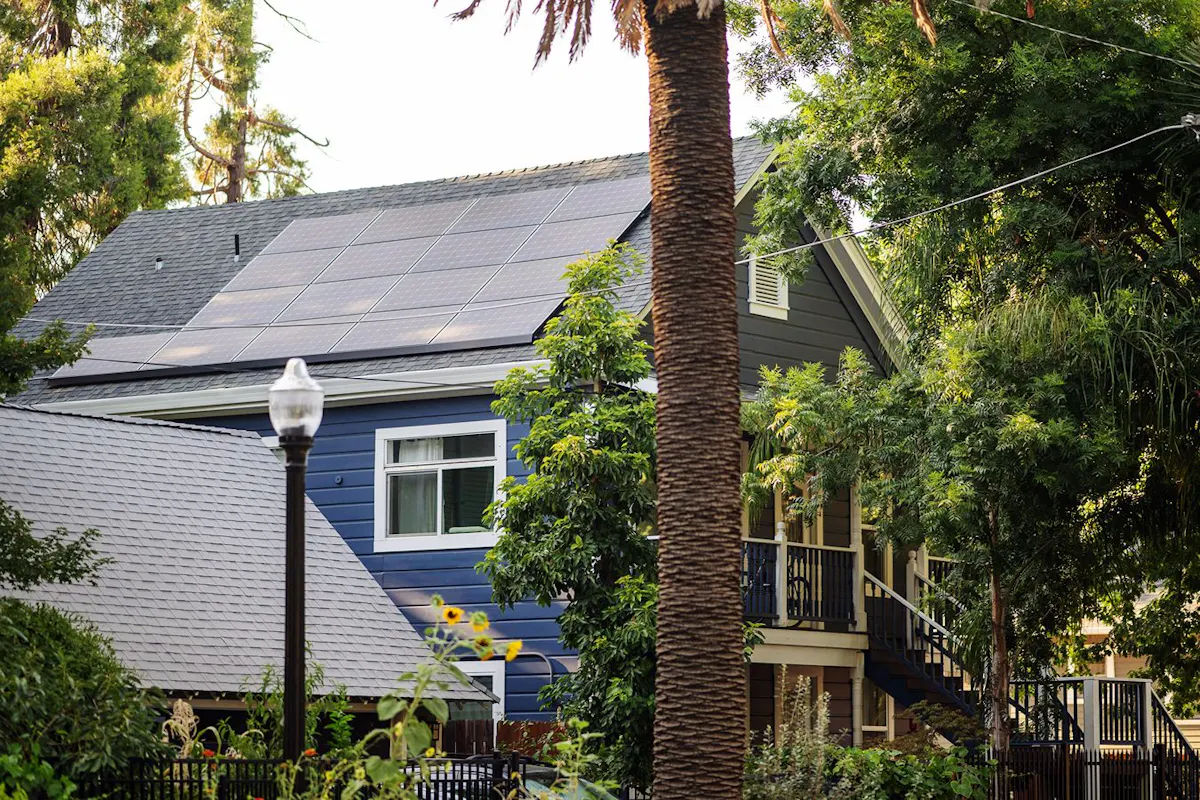
Home solar panels are on roofs all over the country, generating clean, home-grown energy.
People say their main motivation for going solar is to save money, and a customer’s satisfaction likely hangs on real savings materializing. But initial satisfaction is also influenced by a possibly surprising factor: when you get that first electric bill after solar.
That’s the case for Palmetto customers in the northern United States, where those whose solar panels were activated in spring and summer report higher levels of immediate satisfaction than those who activate in the fall and winter.
See what solar can do for you:
The customer satisfaction data
Palmetto asks every customer to rate their experience with us after 90 days of solar. Solar is a long term proposition (up to 25 years or longer), but a snapshot at 90 days reveals how immediate expectations are being met.
In northern states, where the amount of daylight varies drastically season to season, customers whose solar panels are activated in the spring and summer report an average Net Promoter Score 14 points higher than those who activate in the fall and winter. (NPS is a standard consumer satisfaction metric on a scale of -100 to 100.)
While we can’t say with certainty what causes the disparity between fall/winter and spring/summer activators, we can put forward a good guess.

Why the summer-winter disparity in customer satisfaction?
The most accurate view of solar savings is over an entire calendar year. But homeowners are most dialed in to their savings that first month and the months that follow.
Spring and summer activations happen when the days are getting longer and the bite solar panels can take out of your electric bill is getting larger. That means the impact of solar on your electricity bill will be more obvious immediately. In areas with net metering or net billing, you may also generate a bank of credits that can help reduce your bills through the winter.
On the other hand, fall and winter activations happen as the days are shorter and production is falling for the year. That means the effect on your bill will be smaller in your first few months before increasing again in the spring and summer.
Activating your panels in the fall or winter doesn’t mean you’ll save less overall, it just means your months of bigger sayings come in the second half of your first year.
See what solar can do for you:
What’s the big picture?
Solar seasonality, the change in available sunlight and solar production throughout the year, is a normal part of the solar experience and not necessarily a problem. Shorter days, snow, increased cloud cover — all hallmarks of fall and winter — all depress solar production.
It’s part of the reason that looking at annual, not just monthly, savings gives you the most complete picture of solar’s financial benefits: summer months’ production makes up for a dip in the winter.
Some net metering and net billing policies will balance the disparity, allowing you to build up a bank of credits in the summer that offset your bills during the winter. In other situations, battery storage may help you offset more of your energy usage by storing electricity that would have flowed to the grid during the day to be used in your home during the longer nights.
How you save and how much you save with solar ultimately depends on the policies, climate, electricity rates, and more factors specific to your home.
While seasonality may not make or break the overall success of your solar panel installation, the data shows it may affect your initial satisfaction. Keeping a longer view can guard you from feeling unnecessarily disappointed.
Interested in going solar? Explore your options with Palmetto by getting a free quote. Or, download the Palmetto app to discover what you could save.
Disclaimer: This content is for educational purposes only. Palmetto does not provide tax, legal, or accounting advice. Please consult your own tax, legal, and accounting advisors.


