Can a heat pump replace a furnace? What changes and what stays the same
Last edited
Author
Andrew Blok
Electrification and Solar Writer and Editor
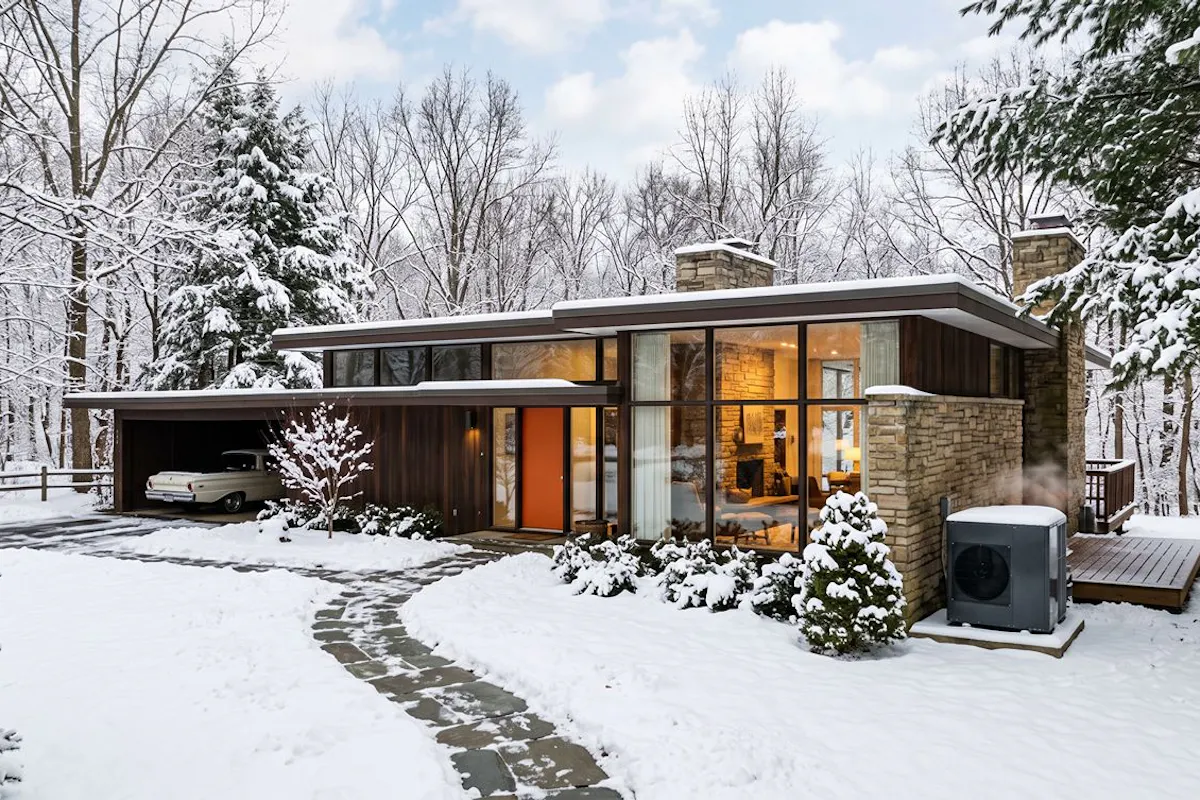
If your home runs on a furnace, you may be wondering whether a heat pump can really take its place. Will it keep up on the coldest night? Will your home stay as warm? Will your bills go up or down?
Here’s what you need to know.
Can a heat pump replace a furnace?
Yes, for many homes. A heat pump is an electric system that moves warmth from outdoor air into your house. Even cold air holds some heat, and a properly installed heat pump can deliver up to three times more heat energy than the electricity it uses. That's the core of how a heat pump works and its main advantage: moving heat takes less energy than making it. In summer, the same equipment runs in reverse, so it can also cool your home and replace your air conditioner.
Heat pumps once struggled in long stretches of subfreezing weather, but newer cold-climate heat pumps keep producing heat at low temperatures. In very cold areas some homes add backup heat, such as electric heating strips, or maintain an existing furnace.
Is the experience different?
Mostly, heating with a heat pump feels familiar to heating with a furnace. Warm air still moves through your ductwork and out your vents. You still use a thermostat.
There are a few slight differences.
How the heat feels
Furnaces provide really hot air in relatively short bursts, while heat pumps provide a steady supply of warm air. That means, while both technologies can heat a home to a specific temperature, many people find heat pumps provide a more even, comfortable atmosphere. It also means heat pumps usually don’t match the fast and furious blast of hot air furnaces provide. That leads some new heat pump owners to feel the air at the vent as “lukewarm,” especially early on.
Variable speed heat pumps, an even more efficient subset of heat pumps, vary how hard they work, making their heating even more even and subtle.
The upshot: A well-installed heat pump can replace a furnace and provide more even heating and a more comfortable home. Some homeowners, used to the hot blast of furnace heating, find heat pump heating feels cooler, especially at first.
| Furnace | Heat pump | |
|---|---|---|
| Heat air temperature | 105-125 degrees | 90-105 degrees |
| Heating pattern | On and off. Temperature swings up and down. | Slow steady heat (some models) |
| Cost savings | Depends on fuel and electricity prices. | Depends on fuel and electricity prices. |
| Heating and cooling? | No. | Yes. |
What it may cost to run, by fuel
Whether you can save by switching to a heat pump depends largely on what fuel your furnace uses. The NREL study modeled bills using winter 2021 to 2022 prices, so treat the numbers as a guide, not a forecast.
- Electric heat (furnace or baseboards). A Berkeley Lab review of modeled and measured studies found the largest savings here.
- Propane or heating oil. The same review found moderate savings. The NREL study estimated median savings of $300 to $650 a year for homes heating with electricity, fuel oil, or propane that already have air conditioning, depending on heat pump efficiency. Our heat pump vs. propane heating guide compares the two directly.
- Natural gas. For gas-heated homes with air conditioning, the median bill change ranged from about $70 more to $380 less per year, depending on efficiency. Berkeley Lab found gas savings are often small and vary by region.
Homes without air conditioning were more likely to see higher bills, since the heat pump adds cooling they didn't have before. Ask an installer to estimate costs using your local rates.
eReplacement process
A swap usually follows these steps, though details vary by home.
- Size the system. The installer runs a load calculation, which estimates how much heating and cooling your home needs.
- Check ducts and electrical. They look for leaks, confirm airflow, and check whether your electrical panel has room. Upgrades can add cost.
- Remove the old equipment. The furnace comes out, and often the air conditioner too. If you're keeping the furnace as backup, it stays.
- Install the new system. The crew sets the outdoor unit and the indoor air handler (the unit that pushes air through your ducts), then connects refrigerant lines, wiring, and a thermostat. They may also disconnect the old fuel supply.
- Test. They check airflow and refrigerant charge and show you how everything works. Permits and inspections may apply.
If the upfront cost of an HVAC replacement or upgrade is giving you pause, HVAC leasing may make either more accessible. With an HVAC lease, like Palmetto's Comfort Plan, you swap the upfront cost for monthly payments that cover equipment costs, installation, maintenance, and common repair. Comfort Plan comes with a 10 or 12 year term with flexibility built in at the end, including a 25% renewal credit toward a new system.
If that sounds worth further investigation see how Palmetto's Comfort Plan works or reach out for a quote tailored to your home today.
See how much you can save with a new HVAC system from Palmetto
Frequently asked questions
Is it worth replacing a gas furnace with a heat pump?
It depends on your goals and your home, local energy prices, and the heat pump you choose.
If you’re just looking to spend the least money, heat pumps generally save money when they replace heating oil, propane, or electric resistance heating. Savings aren’t so clear cut when replacing a natural gas furnace, but can be real for many homes, according to the Department of Energy. It can make more sense if your air conditioner is also near the end of its life, since one system replaces both.
If your goal is to improve the comfort of your home, a heat pump can also be worth it.
Do I still need a furnace if I have a heat pump?
Not always. Many homes run on a heat pump alone, sometimes with electric backup heat for the coldest days. Others keep the furnace as backup, called a dual-fuel setup, which keeps the old fuel and its upkeep in the picture.
Disclaimer: This content is for educational purposes only. Palmetto does not provide tax, legal, or accounting advice. Please consult your own tax, legal, and accounting advisors.