Electric vs. Propane Furnace: Which Is the Better Way to Heat Your Home?
Last edited
Author
Andrew Blok
Electrification and Solar Writer and Editor
If you're heating with an electric furnace or propane and wondering whether the other option would serve you better, both have real trade-offs worth understanding.
This article breaks down how they compare by efficiency, cost, lifespan, and more — and checks in with a third option that might be better than either.
See how much you can save with a new HVAC system from Palmetto
Electric vs. propane furnaces
Here’s how each technology fares in the contest of propane vs. electric furnaces.
Fuel type
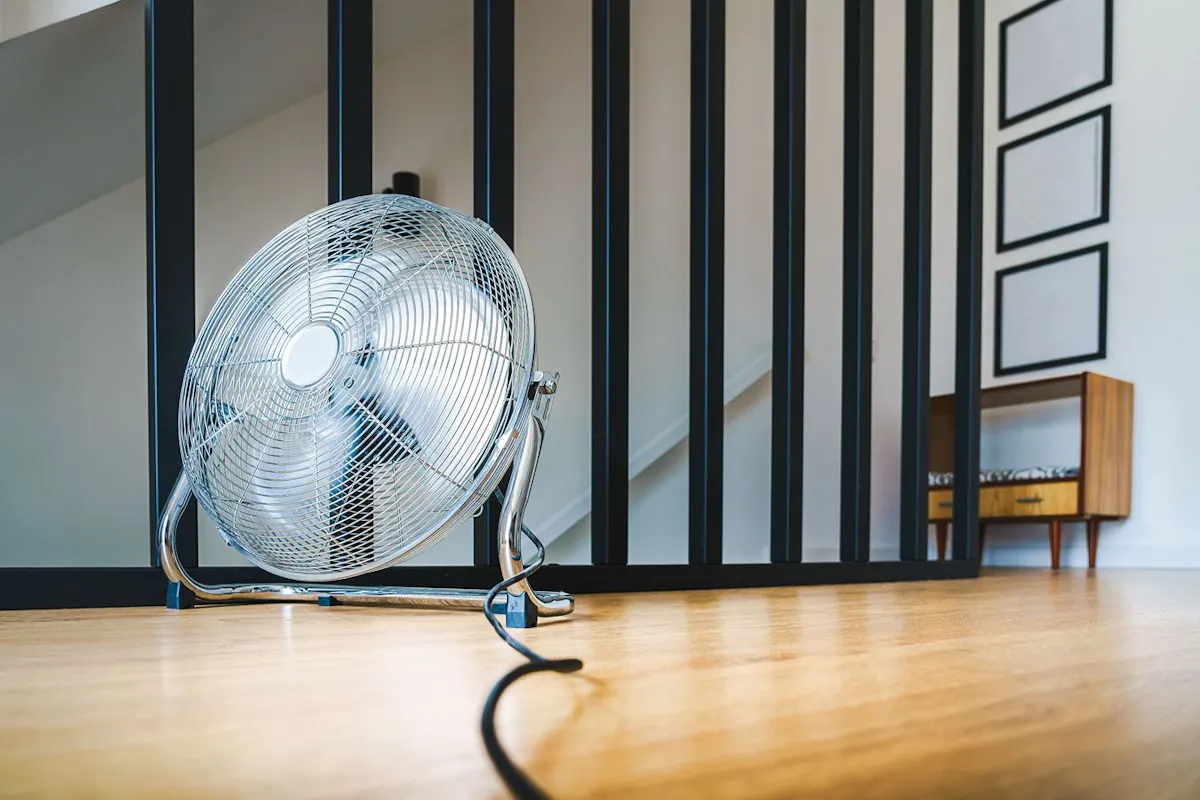
An electric furnace uses resistance heating. Electricity passes through metal coils, the coils get hot, and a blower pushes warm air through your ducts. No fuel tank, no deliveries.
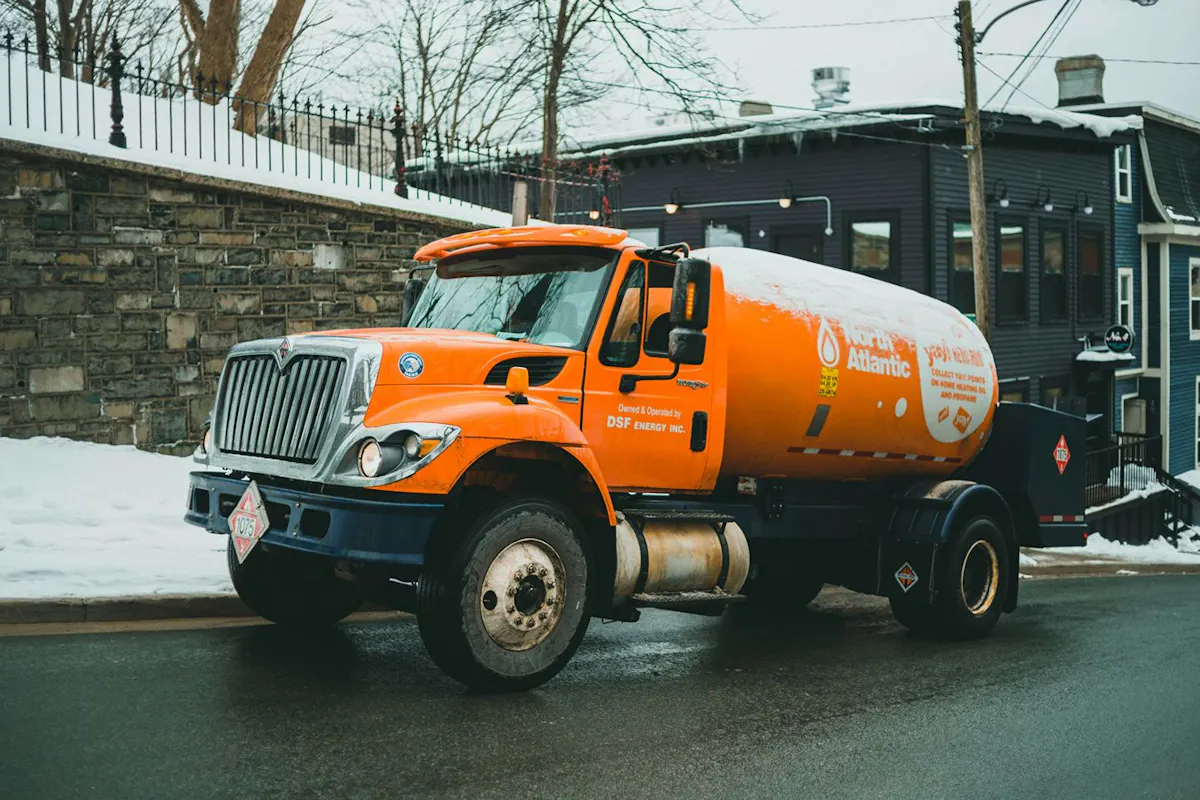
A propane furnace burns liquid propane stored in a tank on your property, filled by a delivery service on a schedule or on demand.
Energy efficiency
Modern high-efficiency propane furnaces carry AFUE (Annual Fuel Utilization Efficiency) ratings of at least 90% up to 98.5%, according to industry sources. AFUE measures what percentage of fuel becomes usable heat in your home.
Electric furnaces turn essentially all of the electricity they consume into heat: 100% efficiency.
On paper, electric furnaces win on efficiency, but given that electricity and propane have different costs, efficiency can’t be directly translated to operating costs.
Installation cost
Electric furnaces are generally cheaper to install, with no gas line or tank infrastructure required. Installation costs for either system vary significantly by home size, region, and whether existing infrastructure is in place — getting a quote from a licensed HVAC contractor is the most reliable way to understand what either option would cost for your specific home.
According to a survey of online consumer resources, electric furnace installation typically runs $2,500 to $7,500, with most projects landing between $4,000 and $6,000. Propane furnace installation can cost from $3,000-$8,000, though with both technologies, the specific price depends a lot on the details of your home and climate.
Operating cost
Both propane and electric resistance heat are among the more expensive ways to heat a home. The U.S. Department of Energy has identified homes using propane or electric resistance as two of the groups with the most to gain from switching to a heat pump.
The relative cost between propane and electric heat at your specific home depends on local electricity rates and propane prices, both of which can vary significantly by region and season. Propane prices fluctuate with energy markets and spike in cold winters. Electricity rates vary by state and have been rising in many areas.
In the DOE study, households switching from electric resistance (like an electric furnace) to a heat pump stood to save $287-$1,059 annually, while homes switching from propane stood to save $889-$2,811 each year.
Lifespan
Propane furnaces typically last around 15-20 years. Electric furnaces fall in the 20-30 year range.
| Electric furnace | Propane furnace | |
|---|---|---|
| Fuel type | Electricity | Propane |
| Energy efficiency | 100% | Up to 98% |
| Est. installation cost | $2,500 to $7,000 | $3,000 to $8,000 |
| Operating cost | Varies, higher than heat pump or gas furnace | Varies, higher than heat pump or gas furnace |
| Lifespan | 20-30 years | 15-20 years |
| Est. savings after switching to heat pump (per DOE) | $287 to $1,059 annually | $889 to $2,811 annually |
See how much you can save with a new HVAC system from Palmetto
What is the best HVAC system for me?
Between an electric furnace and propane, neither is the clear winner for every home. If your electricity rates are low, an electric furnace may cost less to run. If propane prices are favorable and you value heating during power outages, propane may make more sense. The comparison genuinely depends on your local energy costs and existing infrastructure.
But before committing to either, it's worth asking a better question: would a heat pump serve your home better than both?
A heat pump doesn't generate heat — it moves heat that already exists in outdoor air into your home. Because it moves rather than creates heat, it can deliver two to four units of warmth for every one unit of electricity consumed. That's a real efficiency advantage over both electric resistance heating and propane combustion.
According to the U.S. Department of Energy, homes currently heating with propane or electric resistance stand to see some of the largest potential savings from switching to a heat pump. For cold climates, a cold-climate heat pump — designed to operate efficiently at temperatures as low as -15°F — is worth serious consideration.
A heat pump also handles cooling, so if your setup requires a separate air conditioner, one system replaces two. That changes the upfront cost calculation when you account for both a furnace and an AC replacement.
If upfront cost is the main barrier, Palmetto's Comfort Plan lets eligible homeowners get a new, energy-efficient heat pump installed with no large upfront purchase, with maintenance and many repairs included in a predictable monthly payment. Learn more about how leasing your next HVAC system could work for your home.
See how much you can save with a new HVAC system from Palmetto
Frequently asked questions
Is an electric furnace or propane furnace cheaper to run?
It depends on your local electricity rate and current propane prices in your area. Both tend to be among the more expensive heating options compared to natural gas or a heat pump.
Is propane heat safer than electric heat?
Both are safe when properly installed and maintained. Propane furnaces involve combustion, so proper venting and carbon monoxide detectors are important. The key for either system is correct installation and routine maintenance.
How long do electric and propane furnaces last?
Propane furnaces typically last around 15-20 years. Electric furnaces generally fall in the 20-30 year range. Either way, the system you choose now is one you'll live with for a while — worth factoring in when you consider all your options, including a heat pump.
Can a heat pump replace a propane or electric furnace?
Yes. A heat pump can replace both a furnace and a central air conditioner in one system. Modern cold-climate heat pumps are designed to operate efficiently in harsh winters, making them a practical option across most of the country.
Is it expensive to switch from propane to electric heat (or vice versa)?
Switching fuel types involves equipment costs plus infrastructure changes — adding or removing a propane tank and lines, or upgrading your electrical panel. Total cost depends on your existing setup and local labor rates. In many cases, homeowners find that a heat pump offers better long-term economics than switching between propane and electric resistance.
Disclaimer: This content is for educational purposes only. Palmetto does not provide tax, legal, or accounting advice. Please consult your own tax, legal, and accounting advisors.