Mini-split air conditioner vs. central air: which is right for your home?
Last edited
Author
Andrew Blok
Electrification and Solar Writer and Editor
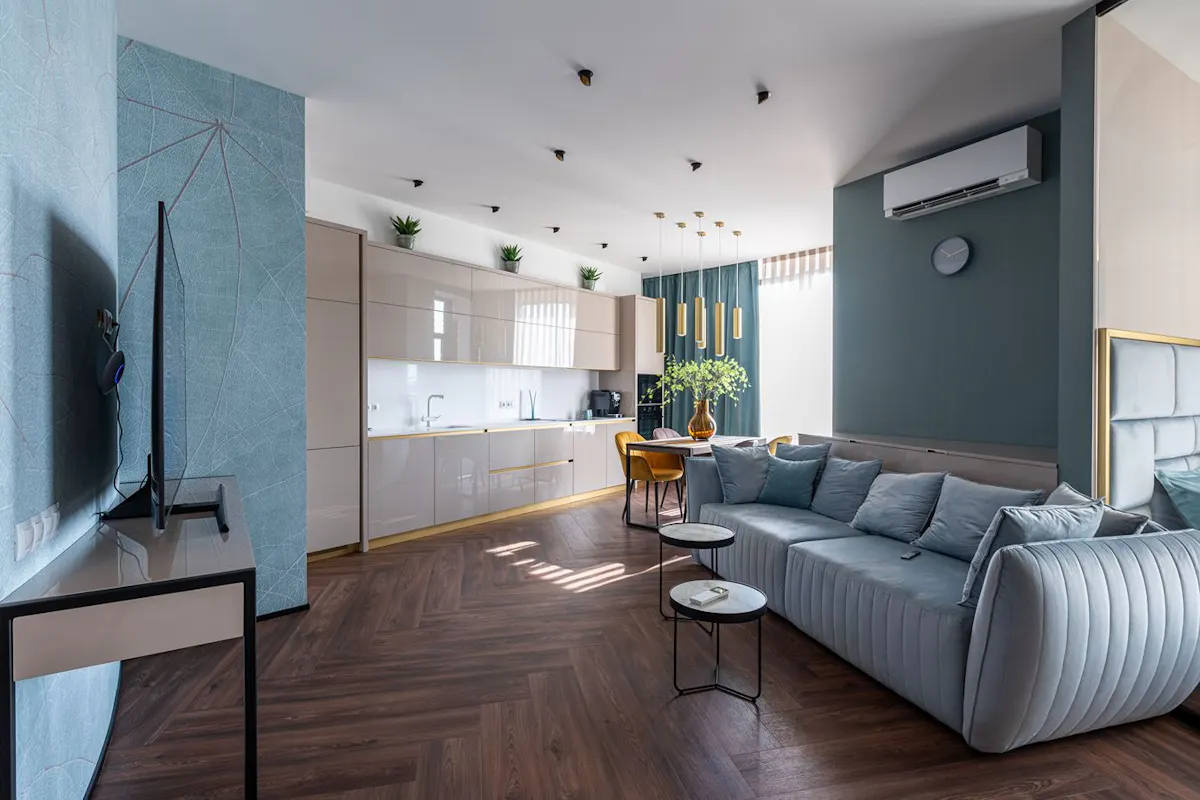
Record setting heat in August may have you thinking about a new air conditioner. Whether you’re trying to decide which system should be your home’s first AC, or if it makes sense to switch to a different system, your decision between mini-split and central air conditioning is an important one.
The right choice comes down to one thing more than anything else: whether your home already has ductwork. Everything else flows from there.
See how much you can save with a new HVAC system from Palmetto
Mini-split air conditioner vs. central air
A central air conditioner pushes cooled air through your home's existing ducts from a central place. If your ducts are already in good shape, it's typically the most straightforward and cost-effective replacement.
A mini-split (also called ductless) air conditioner skips the ductwork. It cools the air directly in the room, no ductwork involved. Most mini-splits are heat pumps, meaning they can heat in winter as well as cool in summer, something a standard central AC can't do on its own.
Energy efficiency
Mini-splits are generally more efficient. SEER2 ratings (a standard measure of cooling efficiency) for mini-splits commonly run 18–30+, while central AC typically falls in the 14–21 range. Central systems can lose an estimated 20–30% of cooled air through duct leaks and poorly connected ductwork, according to ENERGY STAR. Mini-splits deliver air directly into the room, eliminating that loss.

Zoned climate control
Mini-splits offer true zone-by-zone control where each indoor unit has its own temperature setting. Central air can be zoned with dampers, but it's more complex and less precise. If different rooms heat up differently, or people in your home have different comfort preferences, mini-split zoning is a real advantage.
Ductwork
Existing ducts in good condition make central air the simpler, less expensive path. No ductwork means installing ducts for a central system can add thousands of dollars to the project — in those cases, a mini-split is almost always the more practical choice.
Whole-home cooling
Central air covers the whole house from one system. Mini-splits can too, but require one indoor unit per zone. The more zones you need, the higher the upfront cost.
Filtration
Central systems accommodate higher-grade filters (MERV 11–13) and whole-home air purifiers built into the air handler. Mini-splits have filters, but they're designed for standard dust capture. If air quality is a priority, discuss filtration options with an HVAC professional before deciding.
Cost
In homes with existing ductwork, central air replacement tends to cost less upfront. Without ducts, mini-splits are often more economical once you account for duct installation costs. Mini-splits' higher efficiency can mean lower monthly energy bills over time — a factor worth weighing against upfront price, especially if you plan to stay in the home long-term. Understanding your electricity usage patterns helps estimate the long-term picture.
Lifespan and maintenance
Mini-splits typically last 15–20 years; central AC averages 12–15. Mini-split filters need cleaning roughly monthly in heavy use. Central systems have fewer filter points, which some homeowners find easier to manage. Routine maintenance matters for both.
Central air vs. mini-split at a glance
| Central air | Mini-split | |
|---|---|---|
| Typical efficiency (SEER2) | 14–21 | 18–30+ |
| Ductwork required | Yes | No |
| Zoned control | Possible, with add-ons | Built in |
| Whole-home coverage | Yes (one system) | Yes (multiple units) |
| Upfront cost (with ducts) | Lower | Higher |
| Upfront cost (no ducts) | Higher | Lower |
| Heating capability | Cooling only | Often (most models are heat pumps) |
| Filtration options | More customizable | Standard |
| Typical lifespan | 12–15 years | 15–20 years |
| Leasing available | Yes | Yes |
See how much you can save with a new HVAC system from Palmetto
Is a mini-split air conditioner or central air better for my home?
Central air is likely the better fit if your home has existing ductwork in good condition, you want simple whole-home control from one thermostat, upfront cost is the primary consideration, or you have specific filtration needs.
A mini-split is likely the better fit if your home has no ductwork, you want room-by-room temperature control, you're cooling an addition or converted space, or you want one system that handles both heating and cooling year-round (though central heat pumps are common systems, too).

Because most mini-splits function as heat pumps, they're worth considering even if your main goal is cooling. You may get a year-round heating and cooling system where you previously had two separate ones. Central heat pump systems offer the same advantage for whole-home installs.
State and utility rebates remain available in many areas, but vary by location. Start exploring your options here, and be sure to confirm your eligibility before counting on any rebates.
The best next step is talking through your home and its size, layout, insulation, and existing equipment with a qualified HVAC professional. Palmetto's Comfort Plan connects you with an advisor who can help you find the right fit. Reach out for a quote tailored to your home today.
See how much you can save with a new HVAC system from Palmetto
Frequently asked questions
Is a mini-split or central air conditioner better?
It depends. Existing ductwork in good condition points toward central air for simplicity and lower upfront cost. No ductwork or a preference for room-by-room control points toward a mini-split.
Does a mini-split air conditioner cost less than central air?
In homes with existing ducts, central air tends to cost less upfront. In homes without ductwork, mini-splits are often cheaper once duct installation costs are factored in. Multi-zone mini-split systems for whole-home coverage can reach or exceed central air costs. Costs over time should also factor in, since mini-splits' higher efficiency can mean lower energy bills.
Can a mini-split cool an entire house?
Yes. A multi-zone mini-split system — one indoor unit per zone connected to one or more outdoor units — can cool an entire home. It works well and can be very efficient, though the more zones needed, the higher the upfront cost. For larger homes with many zones and existing ductwork, central air may be more cost-effective.
How many mini-splits do I need for a whole house?
It depends on your home's size, layout, and how many zones you want. A common approach is one unit per bedroom plus one for main living areas, but a contractor performing a proper load calculation will give you the most accurate answer for your specific home.
How long do mini-splits last compared to central air?
Mini-splits typically last 15–20 years with proper maintenance; central AC averages 12–15 years. Both lifespans depend on maintenance habits, local climate, and how frequently the system runs.
Disclaimer: This content is for educational purposes only. Palmetto does not provide tax, legal, or accounting advice. Please consult your own tax, legal, and accounting advisors.