Are Space Heaters Energy Efficient? How Your Heat Your Home Matters
Last edited
Author
Andrew Blok
Electrification and Solar Writer and Editor
Editor
Andrew Giermak
Solar and Electrification Writer and Editor
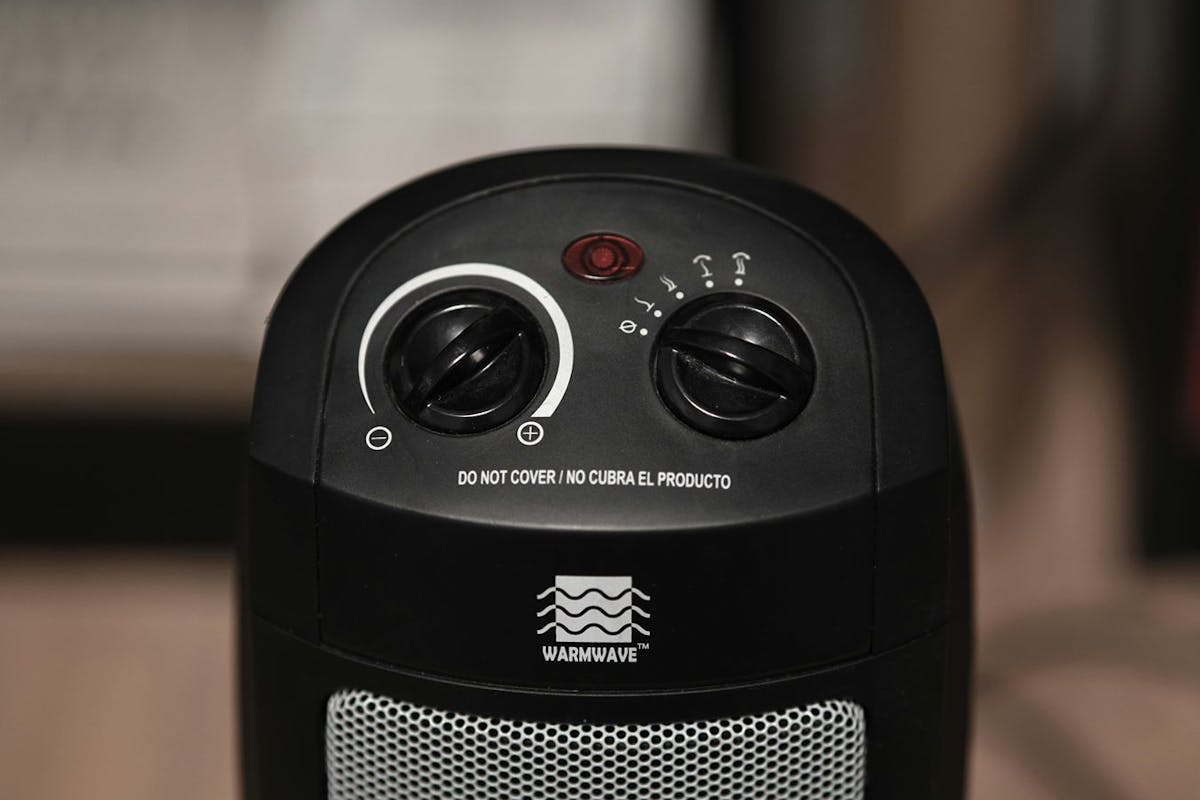
Space heaters can transform a cold spot in your home into cozy nook. They can take the edge off on a frosty morning and keep your feet warm while you watch TV on a chilly evening.
Space heaters are often not the most efficient way to stay warm, though. Because many operate through electric resistance (more on that later), they won’t be as efficient as heat pumps. A space heater left to run all day can run up an electricity bill, but it doesn’t have to if used smartly.
See how much you can save with home energy changes
What is a space heater?
Space heaters provide heat, typically to a smaller area or room as opposed to a central heating system like a heat pump or a furnace. They can be portable or fixed, and can be powered by electricity or gas.
Electric space heaters can use electric resistance to heat the air, or radiant or infrared technology to directly heat objects or people.
Space heaters are ideal for quickly heating a smaller area, such as a garage or an office. However, they’re typically less efficient than other heating options, and can come with some safety issues.
What is the energy efficiency of space heaters?
It can help to think of the question of energy efficiency and space heaters in two ways. When it comes to turning electricity into heat, both resistance and infrared space heaters operate close to 100% energy efficiency. All the electricity you put in, you get out as heat. That sounds great, but heat pumps, which move heat instead of generate it, can be three or more times as efficient. The most energy efficient space heater using electrical resistance or infrared technology will top out at 100% efficiency.
Still, there might be times when it’s more cost effective to use a space heater instead of cranking up the thermostat. If you’re heating a small space, it might be better to run a space heater than raise the temperature of your entire home using your heat pump or a furnace.
Many space heaters run at a max of 1,500W. In November 2025, the national average electric rate was 17.78 cents per kilowatt-hour, according to the Energy Information Administration. Running a 1,500W space heater for an hour at that rate will cost 26.67 cents, or about $2.13 per eight hours.
If running a space heater allows you to reduce your heating bill by more than that, you could save money. More likely, though, you’ll just be paying more for extra comfort.
See how much you can save with home energy changes
Cost of running a space heater: Different scenarios
| Scenario | Cost |
|---|---|
| All winter: 24 hours a day for three months (90 days) | $576.61 |
| A work day: 8 hours in an office | $2.13 |
| Comfy living room: 2 hours in the evening | $0.53 |
| Below zero: Supplemental heat for 96 hours | $25.60 |
Note: Cost using Nov. 2025 average US residential electric rate
A high number of variables can affect these calculations. Your utility rates, whether you’re using home solar power, the fuel type you’re substituting for, how much you’re lowering your thermostat, home size, and the length and severity of your winter and heating season change the math for each home.
Space heaters vs. other heating systems
Comparing space heaters to other options is almost never about picking space heaters over a larger, whole-home system. It’s more often about when a space heater is the most efficient space heating option for your specific needs.
Safety considerations are another important part of using a space heater. Space heaters can be a fire and burn risk.
- Don’t leave a space heater on and unattended.
- Be more careful if children or pets could be near a hot heater.
- Use a space heater according to the model’s instructions
- Don’t use damaged extension cords, plugs, outlets, or wires.
- Keep all liquids and clothing, furniture, drapes, bedding, papers, and anything flammable, the recommended distance from a space heater.
Save money, no matter how you heat your home
Regardless of the home heating system you have, there are ways to save energy and money while doing it.
Adjust your thermostat by a few degrees or upgrade to a smart thermostat to make saving energy easy. You can also try reversing your ceiling fans, changing your air filters, and wearing a little warmer clothing even when inside.
Larger projects like inspecting and improving your home’s insulation, sealing gaps around windows and doors with caulk or weatherstripping, and getting professional HVAC maintenance ahead of the winter can help, too.
Leasing a heat pump will give you modern, energy-efficient heating and cooling for a predictable monthly payment. The Palmetto Comfort Plan gives you all the advantages of a new HVAC system with no upfront payment or installation cost. To get energy- and cost-saving information anytime, anywhere, download and check out the new Palmetto app.
See what home electrification can do for you:
Frequently asked questions
What are the main benefits of space heaters?
Space heaters give you direct heat exactly where you want it. You can use a space heater for zoned, supplemental heat without turning the heat up for the whole home. The most energy efficient space heater may be useful in specific applications, but will almost never be more efficient than a heat pump.
What are the main cons with space heaters?
Safety, mainly the risk of fire, burn, or an electrical injury, is the largest possible downside when using a space heater. Frequent or long space heater use could result in a huge electricity bill.
How might you use space heaters in an emergency or when you need extra heat?
Having one or more space heaters in case of an emergency with your primary heating system or for extreme winter conditions can be a helpful safety measure.