How to spot solar panel scams: red flags to avoid
Last edited
Author
Andrew Blok
Electrification and Solar Writer and Editor
Editor
Andrew Giermak
Solar and Electrification Writer and Editor
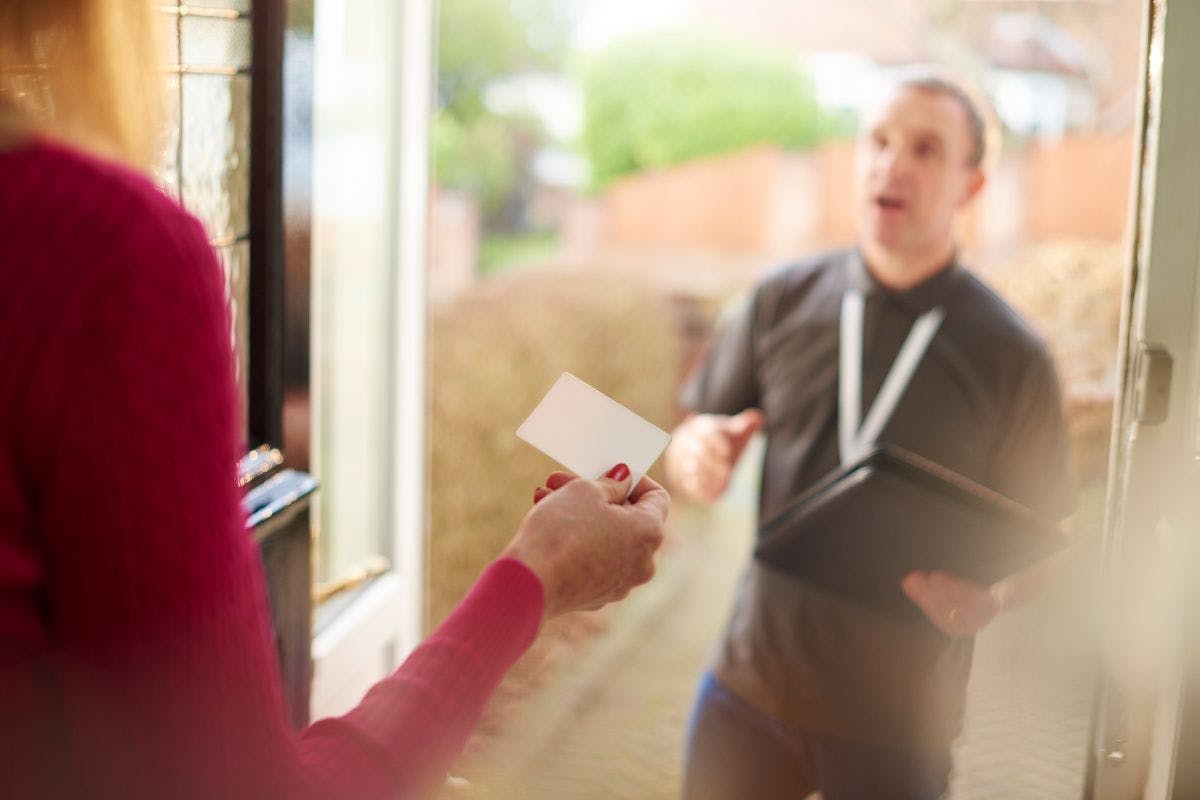
As rooftop solar panels become more popular, homeowners are learning what solar can realistically deliver. While that's great news for the industry, bad actors still take advantage of buyers with dishonest claims and high-pressure tactics.
If you are considering solar panels for your home, we're here to help you navigate your options with confidence. Read on to learn how to spot common red flags, evaluate offers, and safely enjoy the long-term benefits of solar energy.
What are solar panel scams?
The right salesperson will do a good job helping customers find the answers to their questions and teaching them about the product.
Unfortunately, not every solar salesperson is honest. Fake companies, “free” solar panels, bogus claims about rebates or money back, and even people trying to commit identity theft are some of the dishonest practices hurting customers.
Fake solar companies
In the past, companies have popped up just long enough to sell a few solar systems and disappear with their customers' money. If you’ve never heard of a company before, research them before handing over any money.
High pressure sales tactics
There are a few red flags to look for when a solar salesperson is at your front door or in your email box.
Reputable solar companies will gather information about your roof and property from you, with a visual inspection or using satellite imagery. Not every roof is suitable for solar panels, and a salesperson who doesn’t confirm that may not care whether solar actually works out for you.
If you’re pressured for a social security number, private bank information, or other personal information to “move forward today” before you lose a deal, this is not a reputable business or practice. This could even be an identity theft scam.
Free solar panels
You should carefully examine any promise of free solar panels or solar panels you’ll be paid for.
Leases or solar power purchase agreements (PPAs), like the Palmetto Energy Plan, are legitimate options that don’t have upfront payments, but include ongoing monthly payments.
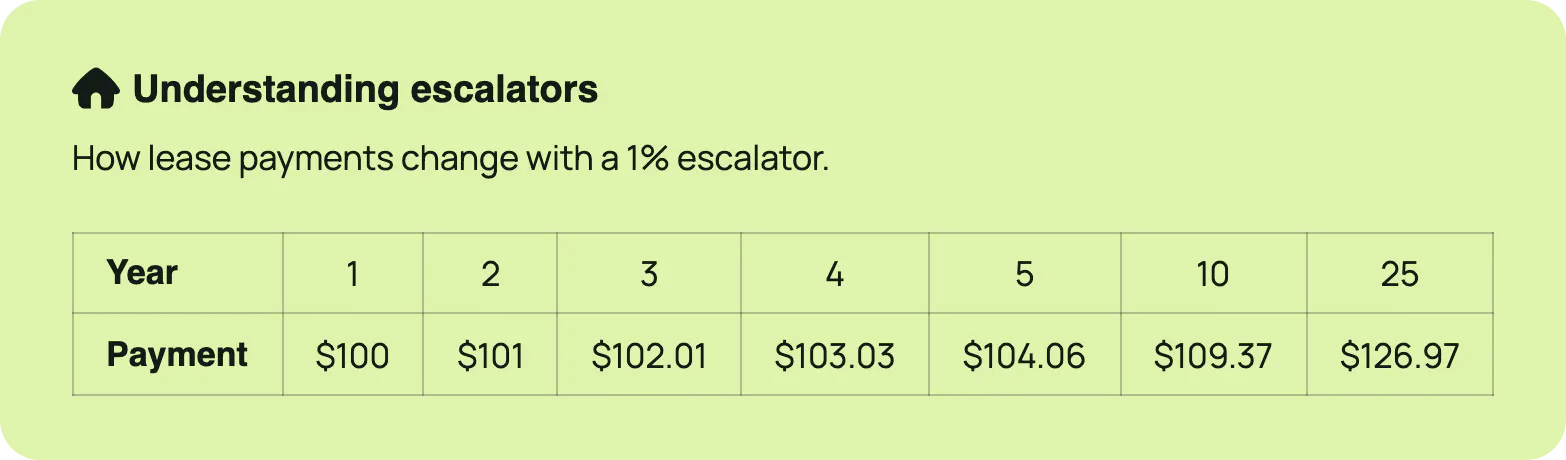
Get clear answers about the terms of such an agreement, including payments (and annual escalators) and timelines. This includes giving you all the time you need to understand the proposed system.
“Your utility company will pay you”
Home solar panels can deliver significant savings in many cases, but they won’t deliver significant passive income.
While some states and utility companies offer programs like solar renewable energy certificates (SRECs) and net metering, which compensate you for the electricity your panels produce, understand what they mean before committing to a home solar system. In some places, net metering credits are never paid out in cash, and SREC values vary widely by state.
With net metering or increasingly common alternatives like net billing, customers receive credits for the solar energy they send to the grid to cover the grid electricity they draw from it. You can save money on your monthly utility bill, but making money from the utility company is unlikely or minimal.
“The government will pay you”
The Federal Solar Tax Credit for purchased solar panels went away at the end of 2025. Some states have state tax credits for solar panels. If you’re leasing your solar panels, make sure you know who gets to claim the tax credit, you or the leasing company.
Misleading contracts
If a salesperson won’t give you time to understand the contract or answer your questions, take it as a red flag. Make sure you understand the maintenance responsibilities, warranties or guarantees, and your recourse if something goes wrong before committing.
Whether talking about buying or leasing a system, you should understand the entire agreement before signing it. The National Laboratory of the Rockies has a list of questions to ask about any contract, like these.
1. How long is the contract?
2. Who owns the solar panels?
3. What happens if I want to sell my house?
4. What happens if the panels are damaged and need repair?
5. Is there a minimum production guarantee?
6. Who gets to claim applicable incentives?
Avoiding a solar panel scam
Doing your own research and getting information from multiple sources means you’ll make a better decision. Make sure you understand the short-term and long-term financial implications before you commit to anything.
Work with a reputable company
There are plenty of reputable companies out there. You don’t need to work with one you don’t trust.
Better Business Bureau ratings and grades, customer reviews, and consumer news sites such as CNET (which just so happens to rate Palmetto as Best Overall) provide helpful comparisons. Trusted professional resources include the Interstate Renewable Energy Council’s (IREC) solar licensing database.
Understand the incentives available to you
Knowing the incentives you qualify for is much safer than relying on a salesperson’s promises.
A reputable company can help you understand incentives, but you should consult an independent tax professional when it comes to your eligibility for tax credits.
Know your utility’s policies
Going solar with an understanding of how programs like net metering will work for you can help you spot bad quotes or deals.
Net metering may vary by utility company within the same state and, like California's, policies may have changed over the years.
Confirm your utility’s net metering policies, solar incentives, or solar fees directly with the utility.
Know what “free” means
There are legitimate agreements, like leases and power purchase agreements, that see panels installed on your property for no money down. There are incentives and rebates which bring the cost of purchases down. Neither of these are the same as “free solar panels.”

Talk to friends and neighbors
It sounds old-fashioned, but a really valuable source of information is your friends or neighbors who have gone solar. They’re likely familiar with the process and your utility’s policies.
Get multiple quotes
The best hedge against a bad solar deal is to get multiple quotes from solar companies. It’s easier to identify a bad deal when you’re comparing it to two other good ones.
Resources for avoiding scams
Plenty of sites, organizations, and databases provide good information and help for consumers.
Solar Energy Industries Association: SEIA has consumer guides, model lease and PPA agreements, and other educational resources.
National Laboratory of the Rockies: The NREL has research and data for consumers and specific solar consumer protection information.
Interstate Renewable Energy Council: The IREC has a solar licensing database searchable by state to help you find licensed, certified professionals, plus more resources and news.
North American Board of Certified Energy Practitioners: The NABCEP has a professional directory of credentialed installers and professionals.
Federal Trade Commission: You can report fraud, and the information will go to the right law enforcement agency.
Solar’s legitimate benefits
Bad actors in the solar business don't diminish the legitimate benefits of solar.
You should understand the up-front and long-term financial picture of solar, including any relevant estimated payback period, before moving forward. An honest company should walk you through expected changes to your electric bill, available net metering programs, your estimated payback period, and more, including when solar isn’t a good fit for you.
If you want to learn more about solar, read about Palmetto’s offerings. If you’re looking for quotes, get one of yours from Palmetto.
See what solar can do for you:
Solar panel scam FAQs
Are solar companies ripping you off?
There are plenty of good solar companies and salespeople, and, unfortunately, some bad ones, too. Be wary of anyone pressuring you to make a major financial decision, exaggerating claims, and not giving you satisfying answers. Bad actors that sell bad solar deals to make a quick buck, hurt homeowners and reputable companies both.
Are solar panels legitimate?
Yes. Solar panels and the electricity they generate are legitimate. They are used by millions of people around the world.
Will solar panels eliminate my electric bill?
Solar panels can, depending on multiple factors, reduce your electric bill, perhaps all the way to zero. You’ll often pay a reduced electric bill in at least some months, and some utilities charge fees that can’t be bypassed. Even in months where your bill is zero, you’ll receive one telling you.
Disclaimer: This content is for educational purposes only. Palmetto does not provide tax, legal, or accounting advice. Please consult your own tax, legal, and accounting advisors.


