Do You Still Have an Electric Bill With Solar Panels?
Last edited
Author
Andrew Blok
Electrification and Solar Writer and Editor
Editor
Ryan Barnett
SVP, Policy & New Market Development
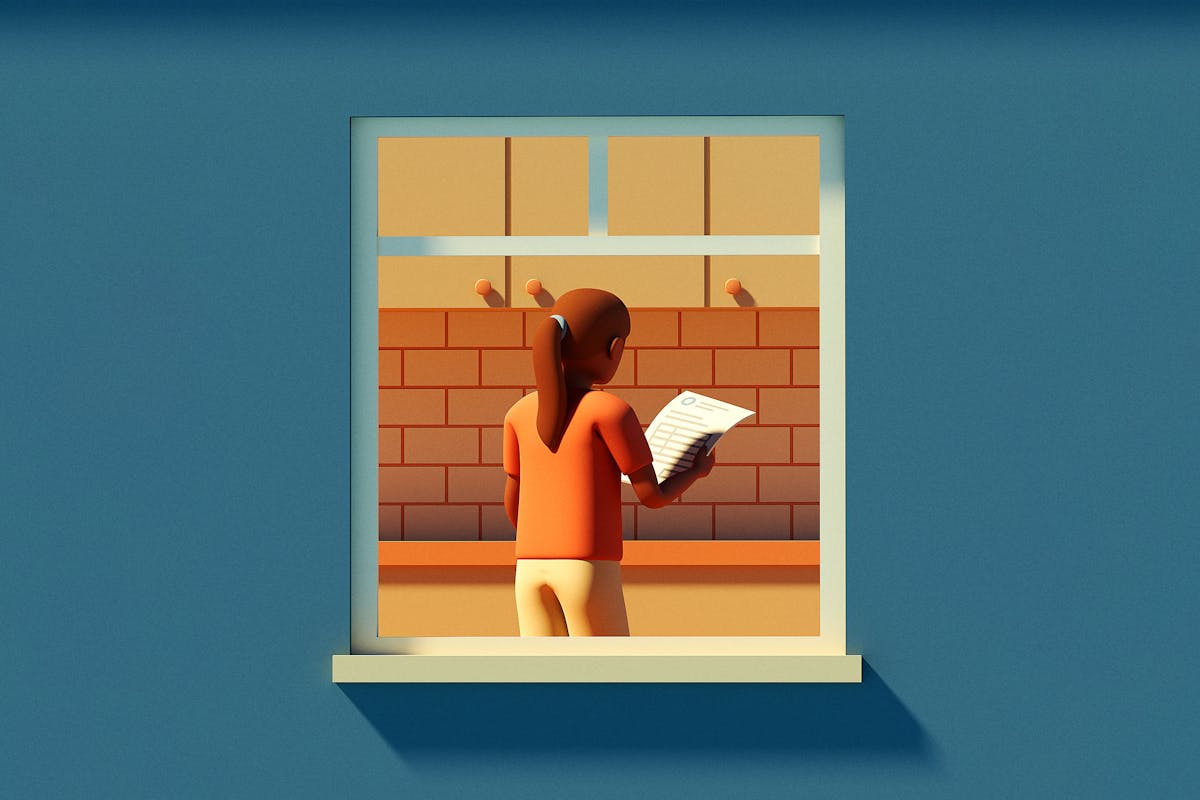
Solar panels have been widely adopted by homeowners because they can deliver real energy bill savings. Those savings vary with local regulations, a home’s energy profile, and how much electricity solar panels can generate given the characteristics of a roof and the local climate.
Talking to a reputable solar installer is the best way to estimate what your electric bill will look like with solar panels, which can vary by utility company. Here’s what to expect when it comes to home solar panels and your electric bill.
See how much you can save by going solar with Palmetto
4 reasons you’ll may still have an electric bill with solar panels
Let’s get this out of the way first: Unless your home is totally off the grid (an extremely rare and typically expensive scenario) you will still receive an electricity bill every month, even if you don’t owe your electric company anything.
Want to better understand your energy bill and earn discounts on energy saving devices at the same time? Download the free Palmetto app to learn how your home uses energy and earn rewards.
Nights and cloudy days
Your solar panels need the sun to generate electricity.
Unless you plan to never use electricity at night or on stormy days, your home will still need electricity from the utility grid. The average homeowner may still purchase some electricity, even if their solar panels produce at their highest level. Net metering (more on that later) and net billing, can help offset the electricity you need to purchase.
Going solar while still being connected to the grid means getting the best of both worlds: solar when it's available, and additional electricity when you need it.
Utility service charges
For the reasons mentioned above, the vast majority of residential solar panel systems are connected to the utility grid. Being “grid-tied” means your home can draw electricity from the grid when your solar panels don’t produce enough electricity.
That means you may need to pay utility service charges, and some are charged regardless of how much electricity you use.
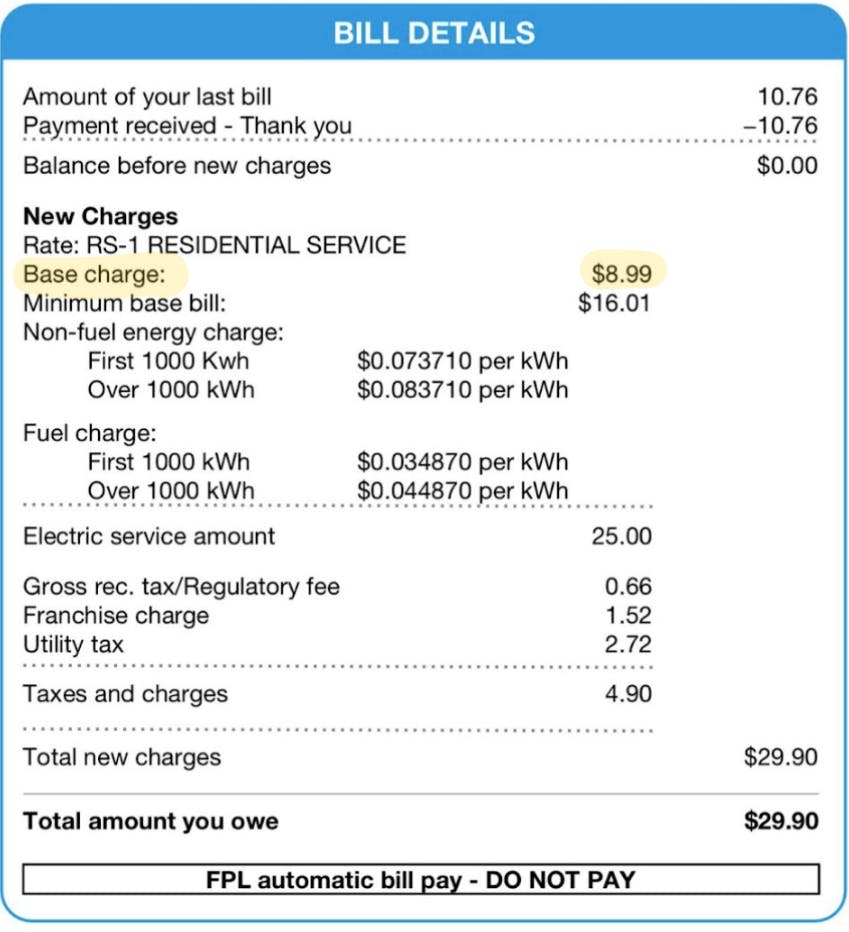
Credit: Florida Power & Light
The actual fees depend on your local utility company, but can include:
- Customer service charge: For meter reading, account maintenance, billing, customer service, and general utility operations.
- Distribution charge: For building and maintaining the electricity distribution system, including transformer stations and power lines.
- Transmission charge: The cost of high voltage transmitters used to carry electricity from the generating station to your home.
Lack of solar battery storage
Sometimes, home solar panels will generate more electricity than your home immediately needs. Solar battery storage can save that excess electricity and use it at another time, like at night. Batteries can help you reduce even further the amount of electricity you’ll need to buy from the grid.
(Net metering (still coming!) can play the same role, essentially. In many regions, batteries may not deliver enough bill savings to justify their cost without considering the value of backup power. But the number of places they do has increased in recent years.)
Even with battery storage, you’ll likely still stay connected to the grid — to take advantage of net metering, to participate in programs like virtual power plants, and to treat the grid like a massive battery that supplies electricity when your solar panels aren’t producing.
Lack of net metering
Net metering is a utility billing program that allows you to get credit for your excess solar generation. Whenever your solar panels generate more electricity than your home needs, that excess energy is sent to the utility grid. Your utility company or electricity provider then credits your account for that amount of electricity.
The value of this credit varies and depends on your utility company, the net metering terms it has set, and your electric rate. However, you can use those credits to offset the cost of electricity you pull from the grid in the future.
If your utility company doesn’t have a net metering (or net billing) program, you won’t earn credit for your extra electricity. When you draw from the utility grid at night or during stormy days, you won’t have credits to cover it.
Average monthly electric bill with solar panels
How small will your electric bill be after you install solar panels? That can depend on several factors. Here's how much the average solar customer saves on their utility bill, according to Palmetto's own data. (Remember savings won't be the same for every home.)
| State | Avg. estimated monthly savings | Avg. estimated 25-year savings |
|---|---|---|
| Arizona | $123 | $65,463 |
| California | $240 | $105,292 |
| Colorado | $128 | $56,197 |
| Connecticut | $288 | $126,141 |
| Florida | $184 | $80,925 |
| Georgia | $103 | $45,416 |
| Illinois | $136 | $59,764 |
| Indiana | $126 | $55,151 |
| Kansas | $125 | $54,898 |
| Kentucky | $104 | $45,857 |
| Maine | $223 | $97,675 |
| Maryland | $193 | $84,633 |
| Massachusetts | $273 | $119,805 |
| Michigan | $123 | $54,190 |
| New Hampshire | $151 | $66,158 |
| New Jersey | $206 | $90,560 |
| New Mexico | $127 | $55,737 |
| New York | $222 | $97,553 |
| North Carolina | $137 | $60,191 |
| Ohio | $130 | $57,246 |
| Oklahoma | $89 | $39,199 |
| Oregon | $116 | $51,089 |
| Pennsylvania | $156 | $68,655 |
| Rhode Island | $222 | $97,227 |
| South Carolina | $99 | $43,669 |
| Texas | $179 | $78,676 |
| Vermont | $173 | $75,864 |
| Virginia | $160 | $70,113 |
| Wisconsin | $162 | $71,214 |
Based on Palmetto estimates. Actual savings will vary.
Let's dive into some of the elements that determine your bill after going solar.
Utility company fees
Your utility company may still send you a bill containing electricity charges that cover customer service and delivery fees. Some will be flat monthly charges, while others take into consideration your total electricity usage. Before going solar, make sure you know which charges you will still be billed for.
Solar offset
Solar offset is the measurement of how much electricity your solar panels produce in relation to the amount of electricity your home uses, usually over a year. Many systems are designed by the solar company with a solar offset of 100%.
Typically, the higher the percentage of energy you consume from your solar system, the lower your monthly electric bill will be.
Local weather conditions and seasonality
The amount of energy your solar system produces also depends on the weather conditions in your area and changes in available sunlight throughout the year known as solar seasonality.
For instance, an unusually long stretch of cloudy days may result in a higher bill. (Solar savings are typically smallest during the cloudier winter.)
Net metering credits you bank in the summer can help cover wintertime bills but may cover all of them.
A reputable solar company should design your solar system with these factors accounted for.
See how much you can save by going solar with Palmetto
Amount of power your home uses
It goes without saying, but your bill is determined by how much power you use. If you increase the amount of electricity your home uses — with a new electric vehicle or heat pump, for example — after you go solar, your bill is likely to increase.
Your system not working as it should
While this is a rare occasion, your solar system might not be generating electricity with maximum efficiency. To avoid issues, you can:
- Check your solar monitoring app to see how much energy your solar system is producing and compare it to historical averages.
- Contact your solar panel company to troubleshoot your solar system and get everything running properly again.
How to lower your electric bill with solar panels
Outside of required maintenance and the occasional cleaning, you can’t control how much electricity your solar panels generate. But, you can take a few measures to lower your electric bill.
Reduce your energy usage
Making your home more energy efficient is a good idea whether you’re switching to home solar power or not. From energy-efficient appliances and overall energy-saving tips, here’s what you can do to keep your electricity use as low as possible.
- Use a smart thermostat to run your HVAC system only when you need it.
- Use LED lightbulbs instead of incandescent light bulbs.
- Carry out a home energy audit.
- Turn off appliances and devices when not in use.
- Improve your insulation and block places air can leak in or out of your home.
Install solar battery storage
In some cases, installing battery storage alongside solar panels can help reduce your electricity bill even further. Solar batteries can maximize the potential of your solar panels, storing excess generation throughout the day, so you can use it at night or during cloudy days instead of power from the utility grid.
Enroll in net metering
Where it’s available, net metering allows you to send your excess power to the utility grid in exchange for credits on future electric bills.
You will likely have an electric bill with solar panels
Even if your solar panels allowed you to buy no electricity from your utility, you may still have a bill after going solar, thanks to utility fees you can’t bypass and taxes. Solar systems are typically designed for an annual offset, so a system designed for a 100% offset may still result in a bill in winter months while producing more electricity than you need in the summer.
Still, solar panels often result in electricity bill savings that make them well worth the cost of purchasing them or ongoing lease payments.
If you're ready to install solar panels, get started today with Palmetto’s free design and solar savings estimate tool to see how much you might save by going solar. If you're looking for more ways to save energy, with or without solar, download the free Palmetto app today.
See what solar can do for you:
Frequently asked questions
How do I know if solar is right for me?
Solar installers weigh many factors to determine if solar is a good solution for your needs, including roof space, home energy usage, utility rates, credit health, and eligibility for incentives. At Palmetto, you’ll receive a free quote and savings estimate designed specifically for your home. All of this happens before you buy, allowing you to decide if solar is right for you.
What if my electric bill is pretty low already?
Electricity rates vary by location and some American households benefit from low monthly costs. Not every home is a good fit for solar panels. That said, electricity rates are generally on the rise, and the environmental costs of relying on fossil fuels remain. A free solar savings estimate can help you understand potential savings based on your location and current monthly electricity costs.
What does “off the grid” mean?
A home that’s “off the grid” is not dependent on public utilities. If you’re already connected to the grid, it’s often more affordable and straightforward to stay connected to it when you go solar. The grid provides you power when your solar panels don’t meet your demand.
Disclaimer: This content is for educational purposes only. Palmetto does not provide tax, legal, or accounting advice. Please consult your own tax, legal, and accounting advisors.