Snow on solar panels: What should you do?
Last edited
Author
Andrew Blok
Electrification and Solar Writer and Editor
Editor
Andrew Giermak
Solar and Electrification Writer and Editor
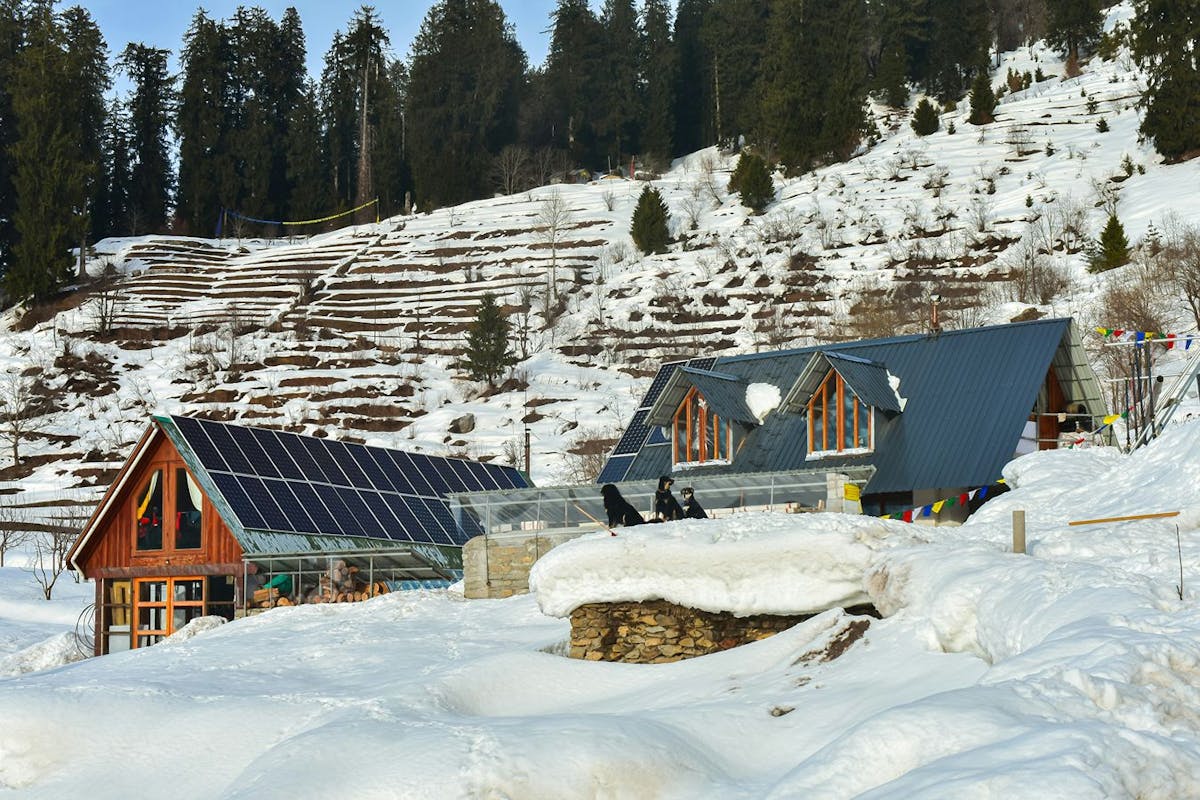
If you live in a snowy area, you might wonder if solar panels are worth the investment. Snow can block sunlight, but home solar panels are still widely adopted in some snowy places.
Let’s look at how snow impacts panel performance and how to think about your winter climate in your decision to go (or not go) solar.
Will snow block the sun from reaching my solar panels?
Yes, snow on solar panels will block sunlight from reaching them and affect power generation temporarily.
But, snow is likely to melt off of panels faster than most other surfaces. Once part of the panel is exposed to sun, the panel begins operating. This raises the temperature of the panel surface, leading to faster melting, more exposed surface, faster melting, and so on.
The steeper the angle of your solar panels, the more quickly snow will slide off and your panels resume generating power.
Should I clean snow off my solar panels?
Most of the time, you don’t need to clean snow off panels. In fact, melting snow on solar panels serves as a natural cleaning agent for panels. It’s best to let snow just melt off.
You can find tools for clearing snow off roofs or solar panels, but scratching or damaging your panels could cost you more than you gain from clearing them off. When in doubt, follow instructions from your installer or the panel’s manufacturer.
Do solar panels work in the winter?
Yes, solar panels work and often are more efficient in the winter. However, shorter days in the winter means less solar production, especially in the northern US.
Snow on solar panels can temporarily block their production, but they tend to start working again relatively soon after light snowfall.
Further, snow and ice rarely get heavy enough to cause damage.
In Washington’s Mount Rainier National Park in 2021, park officials renovated and strengthened its solar panel arrays installed on two of its buildings after they were damaged under eight feet of snow. In winter 2021-22, the maximum snow depth for the season was over 13 feet but caused no damage to the panels and system components.
Northern states, or states with plenty of rough winter weather, are among the top states for installed solar capacity. According to the Solar Energy Industries Association, Illinois (6th), New York (7th), Virginia (9th), Indiana (11th), Ohio (12th), New Jersey (13th), Massachusetts (14th), Colorado (15th), Utah (16th), and Minnesota (20th) are in the top 20 states.
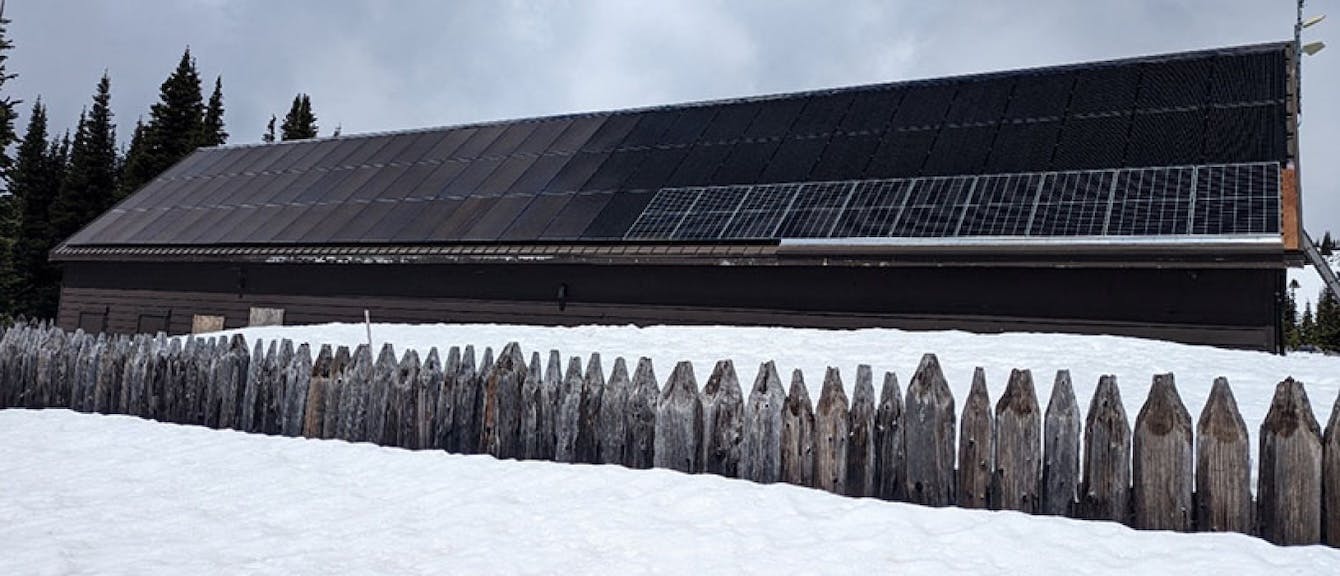
Credit: Department of Energy
Solar panel seasonality
No matter where you go solar, except for near the equator, solar seasonality will be a feature of your experience. In the US, panels generate less solar power in the winter than in the summer.
There’s also seasonality to electric consumption. Using more AC in the summer or using less power during ideal fall or spring weather are just some factors that can lead to higher or lower energy consumption.
If you have net metering, the electricity you send to the utility grid offsets the same amount of electricity you pull from it. Credits you carry over from previous months can help make up for the drop in production during winter. At the same time, being connected to the grid provides you power when your panels don’t generate as much as you need. In that case, utility policy helps you get around the issue of snowy winters.
If you’re curious about how solar panels will work at your house, reach out for a quote today.
Frequently asked questions
Do I have to clean snow off of solar panels?
You almost never need to clean snow off of home solar panels since it usually melts off panels faster than surrounding surfaces. You’d need a lot of snow for panels to be in danger of being damaged due to the weight of the snow.
Do solar panels work in places with a lot of snow?
Yes. Solar panels work in areas with a lot of snow. Northern states are some of the states with highest solar usage.
Do solar panels work when it’s cold out?
Yes. Residential solar panels are manufactured to function at very cold temperatures. Solar panels generate power from sunlight, not warmth, and panels are actually more efficient when it’s cool or cold.
If there is a power outage, will my power go out?
A home battery can provide your home emergency power during an outage. How much of your home a battery can power and for how long depends on several factors.
- The size and production of your solar panels
- The capacity of the battery storage
- The battery’s state of charge when the outage occurs
- The areas or appliances in your home that you pick to receive power when the grid goes down.
If your solar energy system does not include a home battery, your power will go out. Standalone solar energy systems will automatically shut down during an outage to protect equipment and utility workers.
Disclaimer: This content is for educational purposes only. Palmetto does not provide tax, legal, or accounting advice. Please consult your own tax, legal, and accounting advisors.


